What we do with your photos
A person writes your estimate, not a form. The photos are matched to your VIN so the parts list reflects your exact trim and paint code, damaged components are identified, part availability is checked, and the whole thing is written as line items — parts, labor operations, refinish time, materials. That is the same format an insurance company uses, so the two documents can be held side by side.
It comes back within 24 hours with a repair timeline attached, and it is free whether or not the car ever arrives. Nothing is held over you afterward. If you repair elsewhere, or decide not to repair at all, the estimate is still yours to use — plenty of people use ours purely to sanity-check what an adjuster wrote. That is a fair use of it, and we would rather write an honest estimate for somebody comparing shops than win a job by guessing low.
The photos that make an estimate accurate
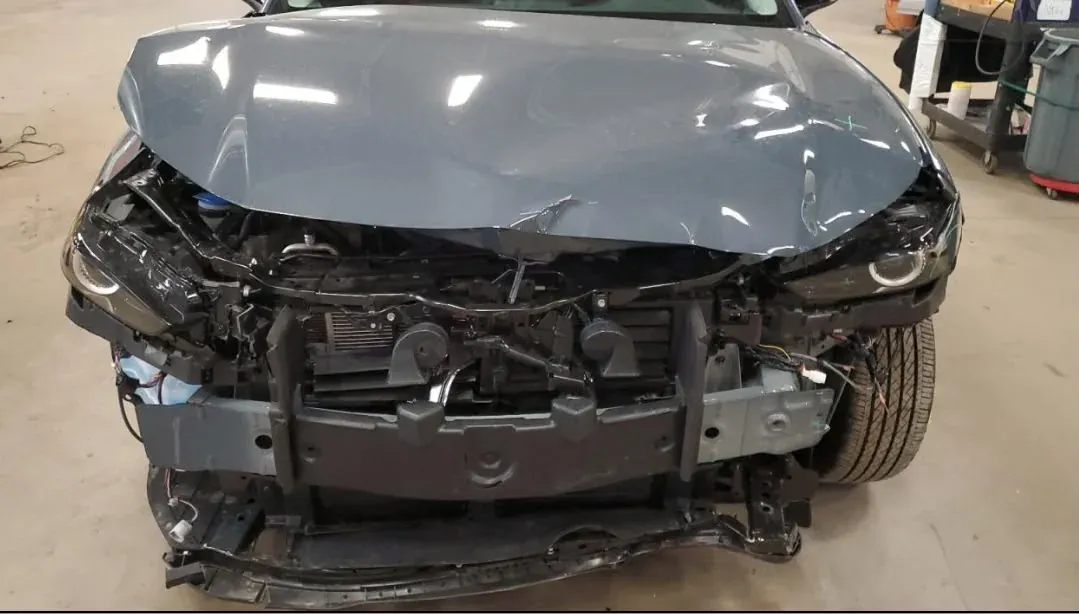
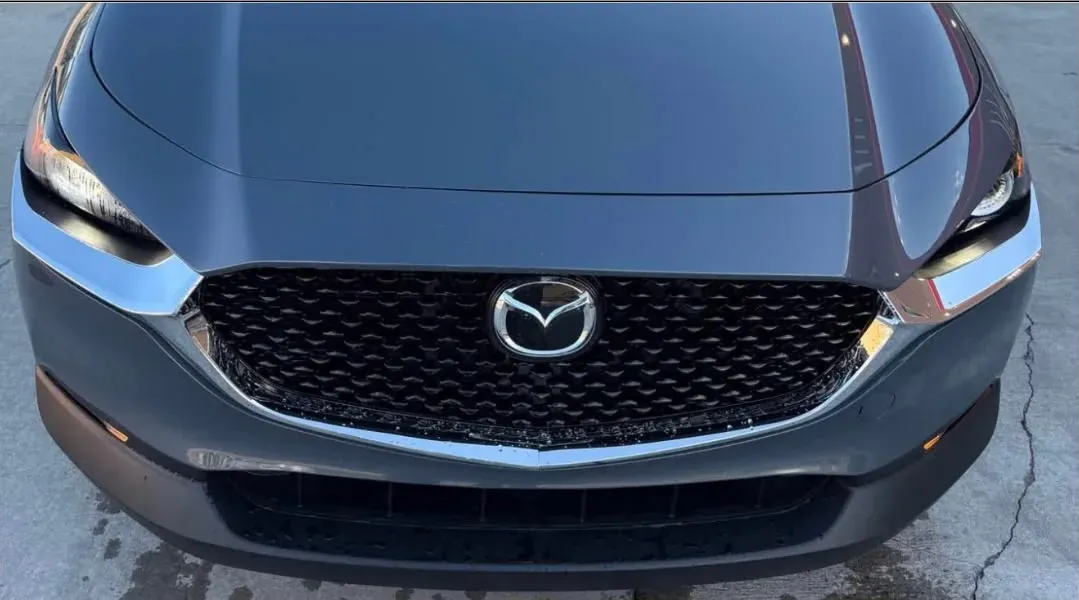
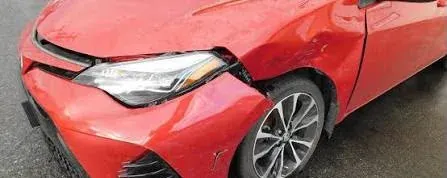
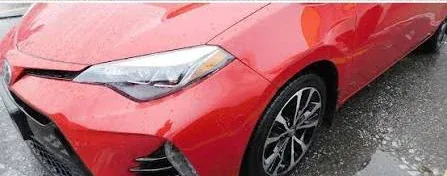
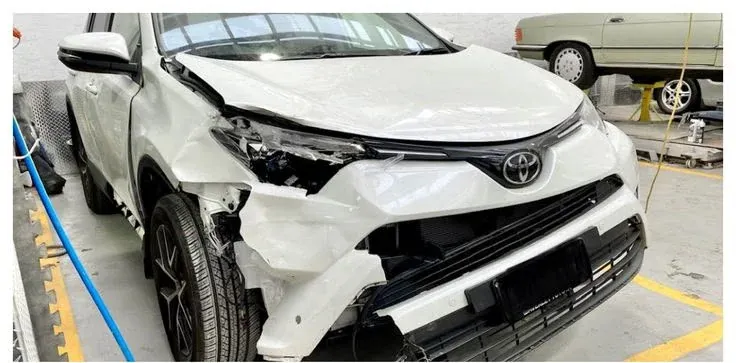
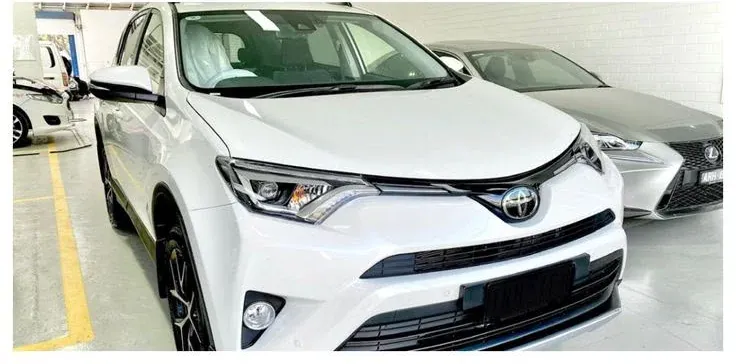
Daylight beats a garage every time, and a clean panel reads better than a wet one. Three angles do most of the work: the whole damaged corner with about half the vehicle in frame, a straight-on close-up from a foot or two away, and a wide shot of the entire car so we can see stance and panel gaps. Gaps that have opened up are often the first hint the impact went past the panel.
Two more photos make the parts list exact — the VIN plate in the driver door jamb and the paint code label beside it. Those turn a generic write-up into one built for your vehicle. If the car may not be drivable, add a straight-on shot of the wheels; that usually tells us whether it needs a tow. Fluid on the ground, a wheel sitting at an angle it should not reach, or a hood that will not latch are the details that change the answer.
- Full corner shot — the damage with half the vehicle in frame
- Close-up — one to two feet away, straight on, in daylight
- Wide shot — the whole car, showing stance and panel gaps
- VIN plate and paint code label from the driver door jamb
- Wheels straight on if the vehicle may not be drivable
What a photo estimate can and cannot promise
It is an accurate number for visible damage, and we say plainly where the uncertainty sits. A camera cannot see a cracked reinforcement, a bent radiator support, or a broken sensor bracket behind a cover that still looks intact. On anything harder than a parking-lot scrape, expect the number to move once the damaged area comes apart. How far it moves depends on how the impact landed — a straight-on hit at low speed usually holds close to the estimate, while an angled hit into a corner rarely does.
That is not a bait and switch, it is how the work goes — the difference is whether a shop tells you before or after. Anything teardown finds is photographed, priced, and approved by you and your insurance before it happens. You will never get a call from us that begins with the extra work already done. If the revised number changes what you want to do — repair it, claim it, or live with it — that decision is still entirely yours at that point.