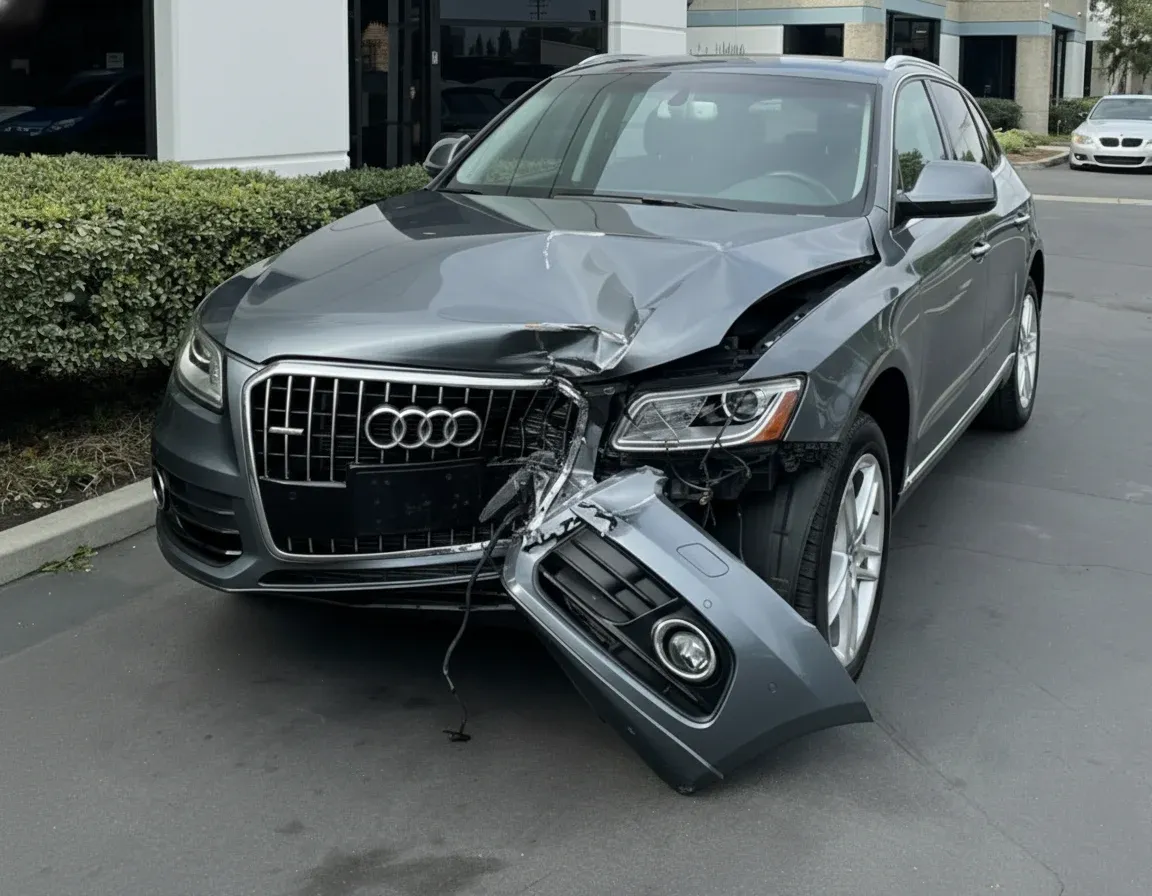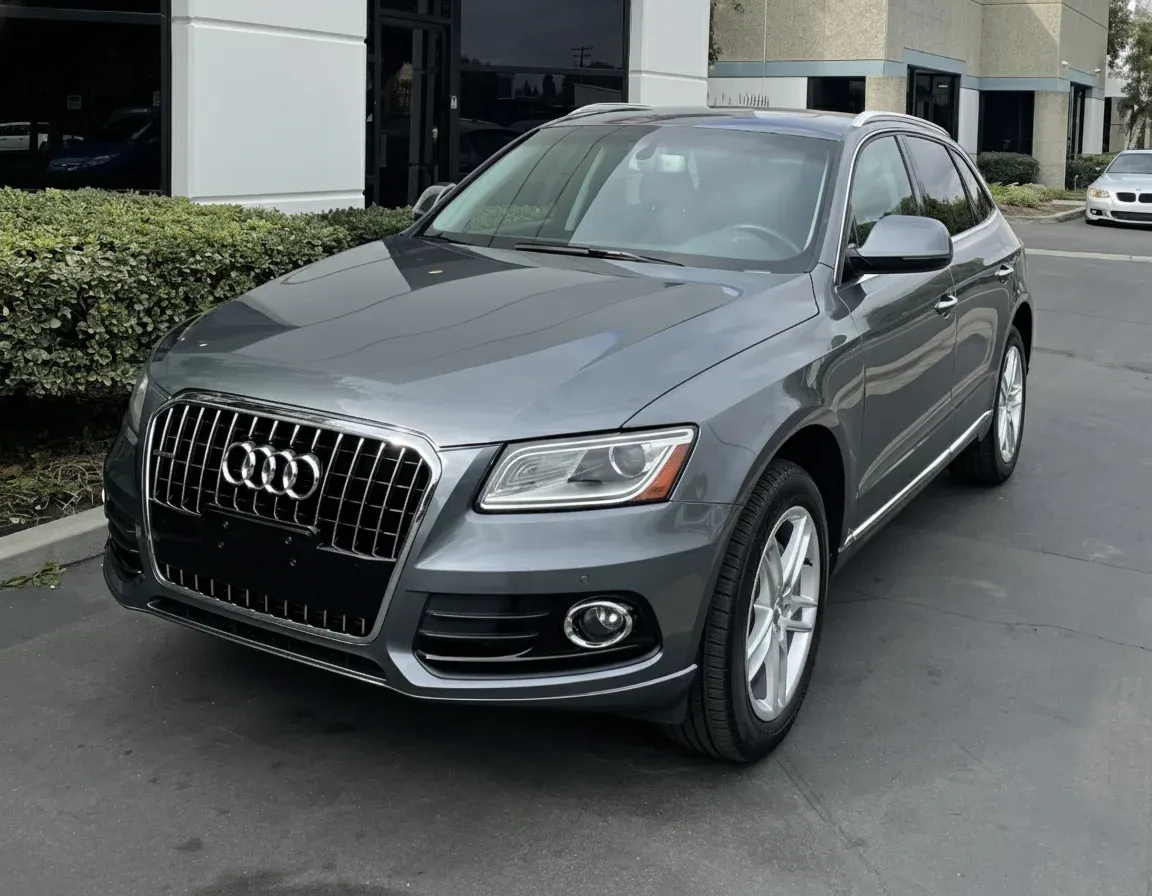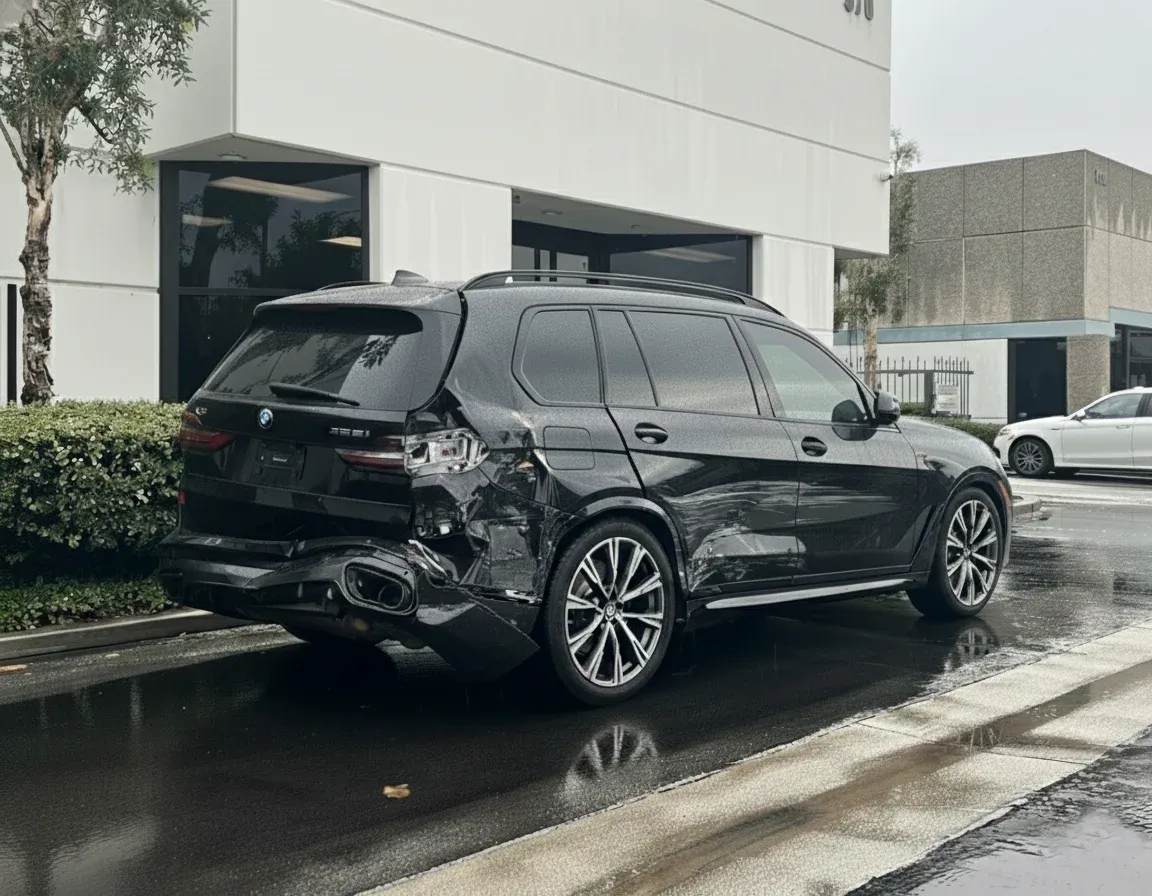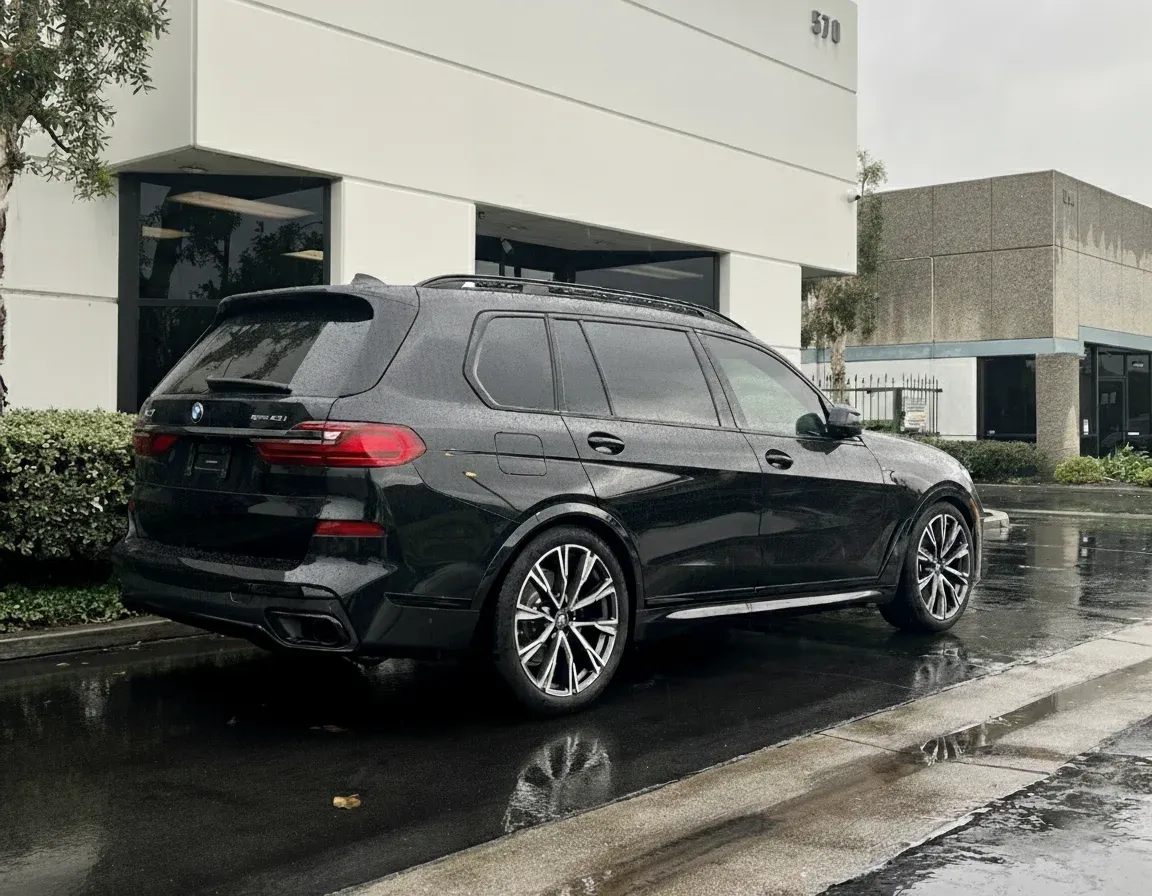
Why we start with original equipment parts
An OEM part is the one the manufacturer engineered for your vehicle, built to the same drawing as the piece that came off. It fits without persuasion, its corrosion coating matches the panels it bolts to, and on anything structural it crushes and folds the way the vehicle was crash-tested to crush and fold. Those three things are why it gets quoted first. Manufacturers write their repair procedures around their own parts, and following those procedures with a component that was never in them is a compromise before the first bolt goes in.
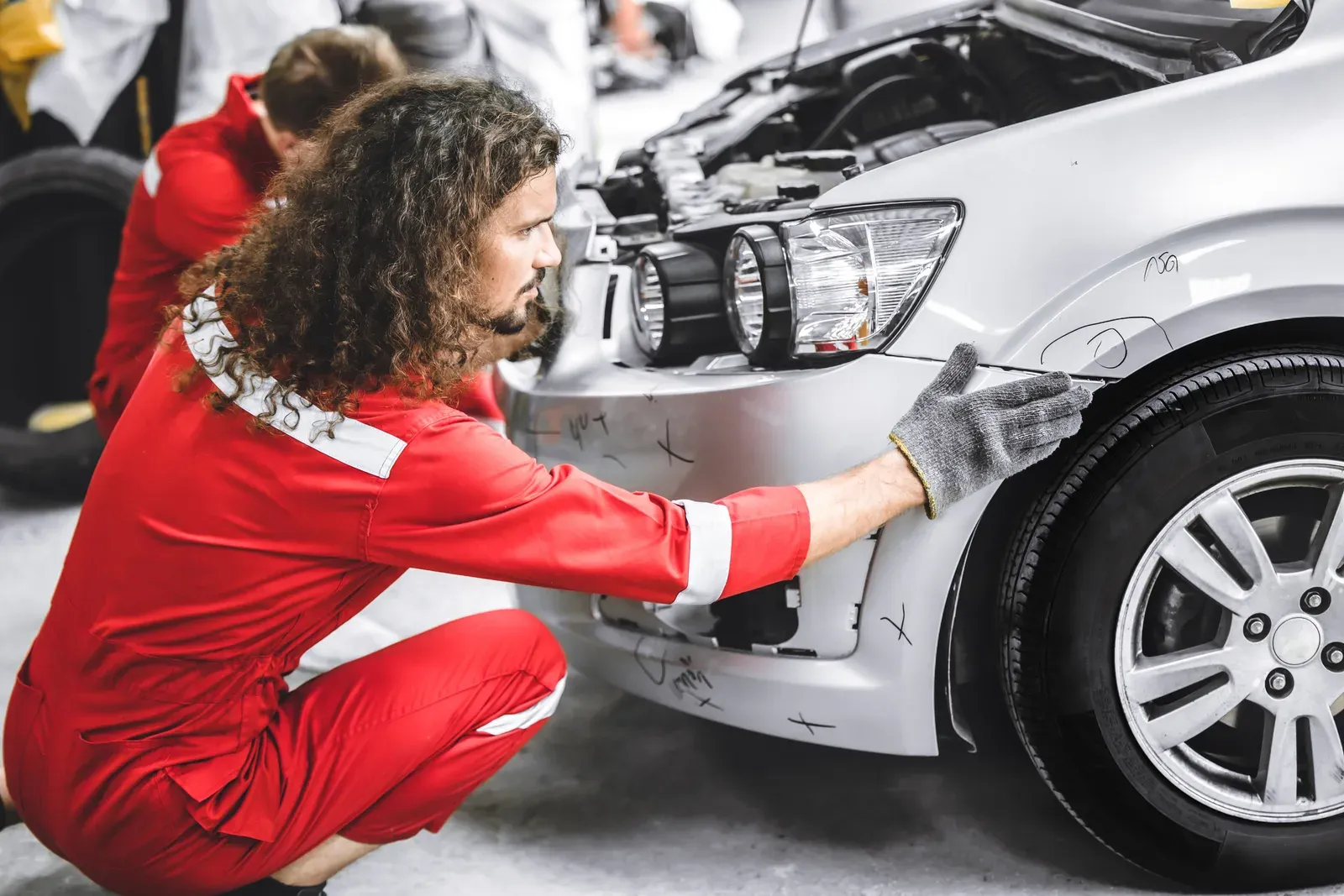
Fit is the part customers actually see. A panel that needs shimming to line up leaves gaps that never look factory again, and a cover fighting its brackets pulls away at the corners after one winter. Fit is also why a cheaper part can turn a clean two-day job into a fabrication exercise costing more in labor than the part saved. A cover that had to be persuaded into its mounting points does not stay in them.
When your insurance specifies something else
Insurance companies write estimates with aftermarket, recycled, or reconditioned parts to control cost, and you will see those lines on the document. Minnesota does not oblige you to accept them: state law requires your vehicle be restored to pre-accident condition with parts of like kind and quality, and state guidance is explicit that non-original parts cannot be forced on you, glass aside. It is worth reading your estimate line by line for that reason, because part descriptions are usually abbreviated and the word "aftermarket" rarely appears in full.
Our job is making that easy to act on. The estimate goes out with OEM part numbers and a written reason for each — safety system, structural function, fit, corrosion protection — because documented requests get approved far more often than phone arguments do. If an insurance company holds firm on a cosmetic bolt-on and the alternative is genuinely equivalent, we will say that too rather than run up your bill.
- Estimate written with OEM part numbers by default
- Written justification attached for structural and sensor-bearing parts
- Aftermarket or recycled alternatives shown as separate priced lines
- You approve the parts decision before anything is ordered
- Part and installation warranted in writing on OEM replacements
Where the choice matters most — and where it matters less
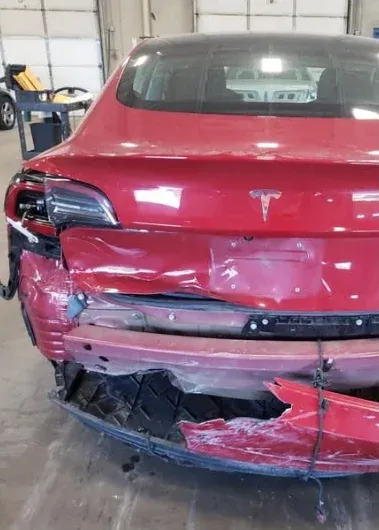
The parts that decide how a vehicle behaves in the next collision are not the place to economize: rails, reinforcement bars, crush cans, mounting brackets, and any panel carrying a radar sensor or camera. A few millimeters of difference in a bracket changes where a sensor points, and a difference in metal thickness changes how energy travels through the structure on impact. Those are the lines we will argue with an insurance company about, in writing, and the ones worth paying a difference on if it comes to that.
Cosmetic bolt-ons have more room for judgment, and honest shops admit it. A recycled original fender from a matching vehicle is often a better answer than a new aftermarket one, and on an older car it can be the difference between repairing and totaling. What you should never get is a shop making that call without telling you it was made. Ask to see the parts lines before you approve an estimate — anyone writing them honestly will happily walk you through the list.