Lake-town damage has its own pattern
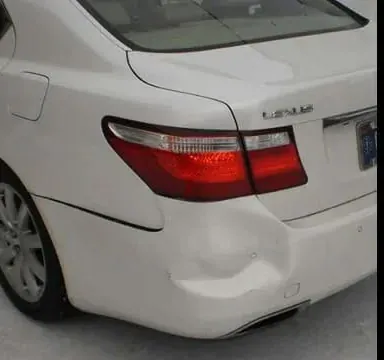
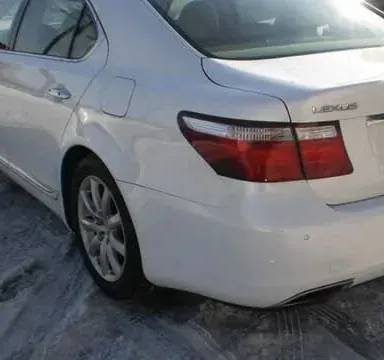
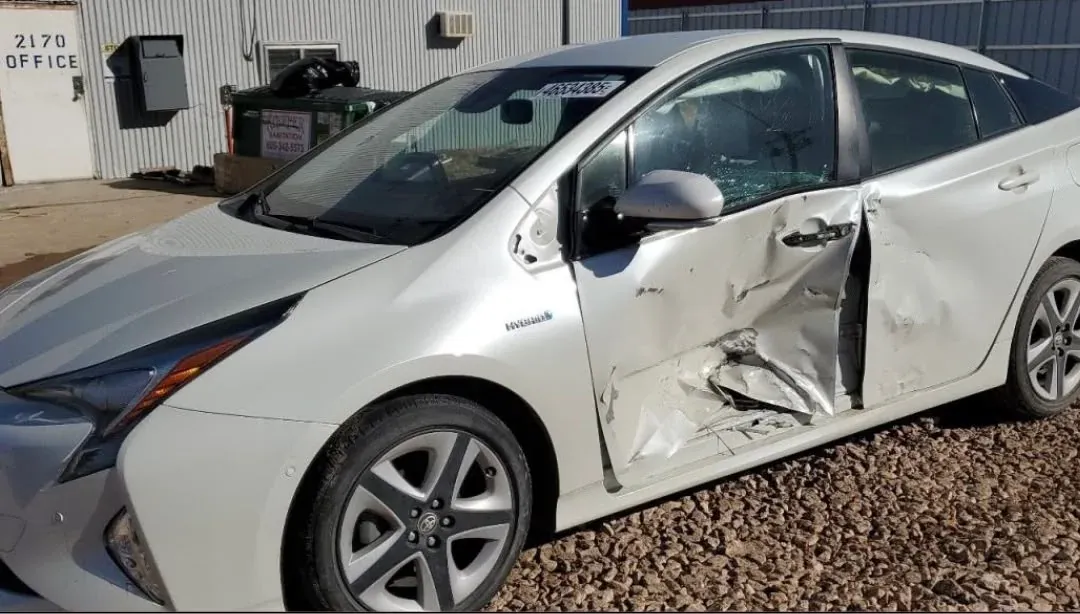
The dents that come in from Prior Lake rarely come from traffic. A trailer tongue swings wide at the Lakefront Park ramp and catches a rear quarter. A hitch ball meets a bumper cover in a driveway. Sand and gravel off the shoulder roads around the lakes leave fine scratches down a rocker panel by August. It is low-speed, low-drama damage, and it calls for a different repair than a collision does. It also tends to arrive in twos and threes across a summer rather than all at once.
The trip is short enough to be worth doing properly. County Road 21 north onto Eagle Creek Avenue puts you on Highway 13 and at our door in roughly ten minutes. Weekend drop-offs can be arranged, which matters when the damage happened on a Saturday afternoon and the car has to be back in the driveway before Monday morning. Anything urgent can be started from photographs in the meantime, so the estimate is usually written before the car leaves the lake.
Simple dent or crease — the answer changes the repair
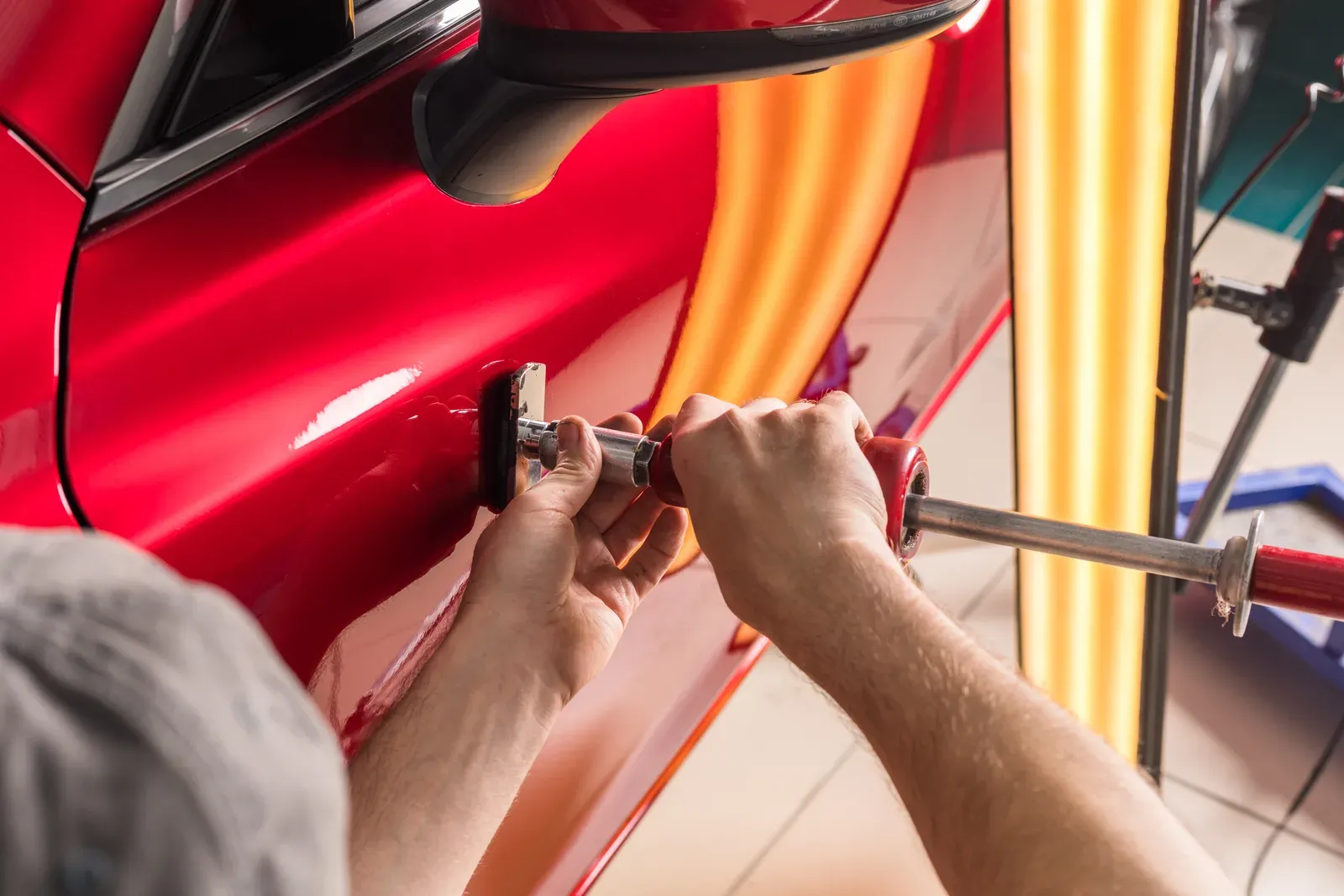
Run a hand across the damage before you decide anything. A simple dent is round and shallow, the paint over it is unbroken, and it reflects light as one continuous curve. That kind of dent can usually be pushed back from behind the panel until the reflection runs true again, with the factory finish left alone. Nothing sprayed, nothing sanded, no color to match. It is the cheapest repair available and the one we look for first on every panel that arrives.
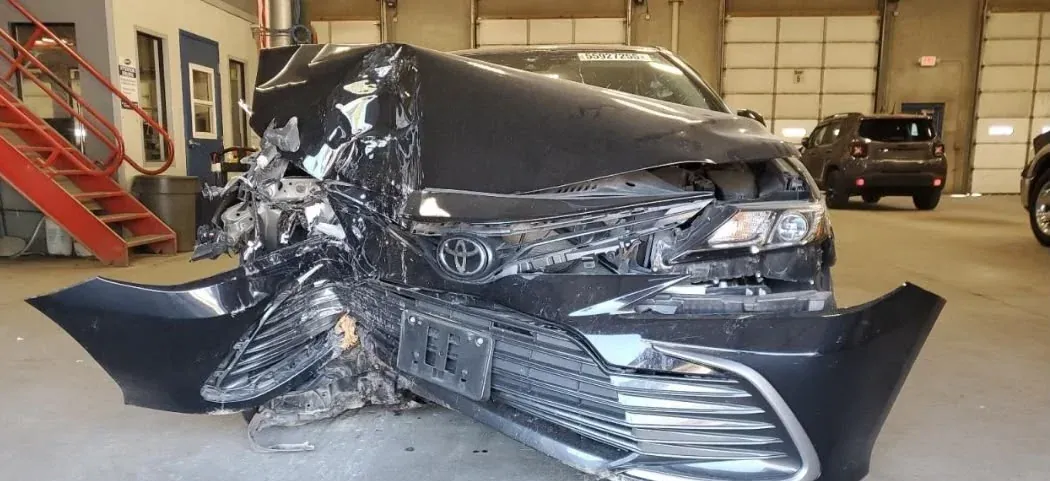
A crease reads as a hard line with a shadow running along it. The metal has stretched, and metal that has stretched does not simply return. Those panels get filled, leveled, and refinished, and we quote them that way from the start rather than trying the cheap route first and billing you twice. Trailer hitch dents in particular are usually creases, and so are the marks left when a winch post catches a tailgate on the way up the ramp.
Scratches, and what a blend actually does
A scratch your fingernail glides over is usually in the clearcoat and can often be leveled and polished out. One that catches has gone through the color, and no amount of compound will bring it back. Those get sanded flat, sealed, resprayed in your paint code, and then cleared into the panels on either side so the new finish fades into the old rather than stopping at a hard edge.
That blend is the difference between a repair you notice and one you do not. Color is mixed to your code, sprayed on a test card, and checked in daylight before it goes near the car, because silvers and pearls are unforgiving in the glare coming off the lake. The refinish carries a lifetime warranty for as long as the car is yours.