School lots, new driveways, and the dents they produce
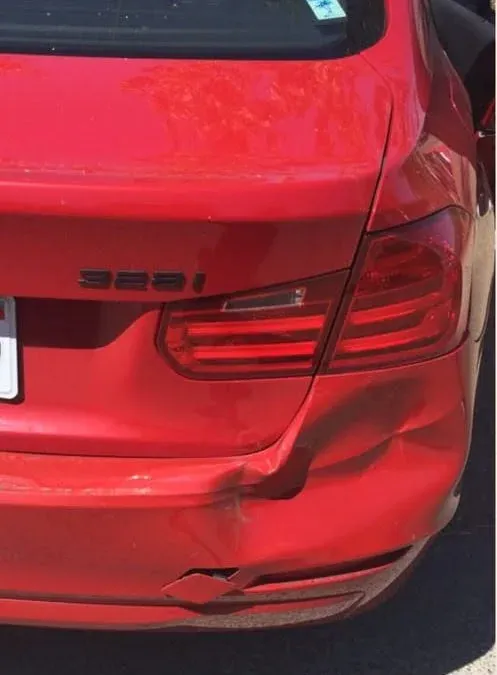
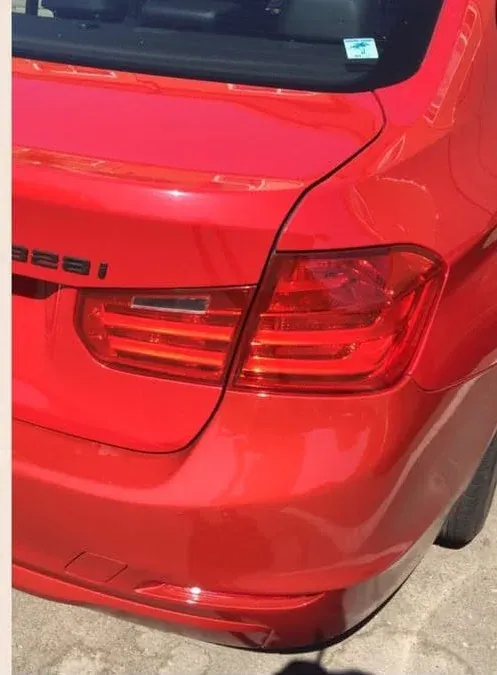
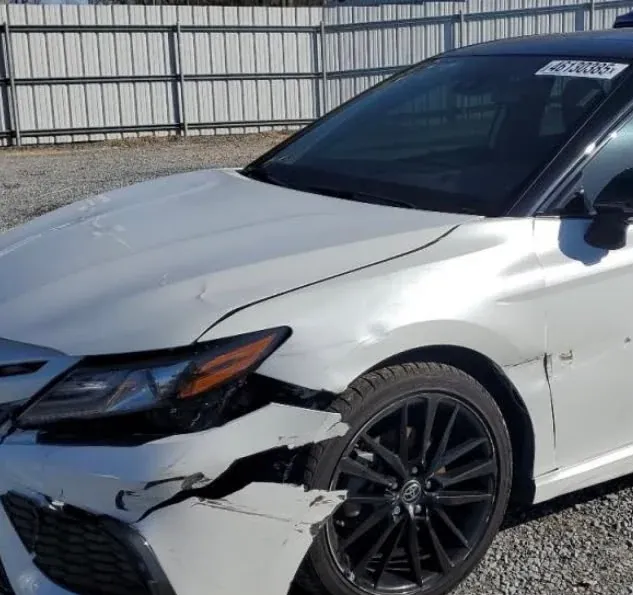
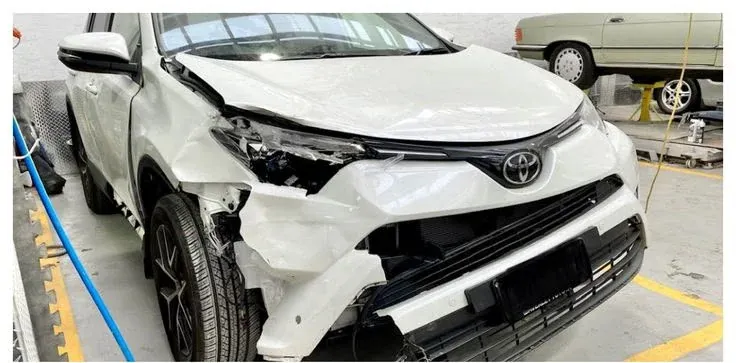
Lakeville is a young city with a lot of families in it, and the damage pattern shows. Pickup lines at the elementary schools put cars nose to tail twice a day. Garages in the newer developments off Dodd Boulevard are built to modern width but not for two adult SUVs and a bike rack. Doors meet frames, and mirrors meet other mirrors. Add a hockey bag swung against a tailgate and you have most of a Lakeville year in one sentence.
None of that is worth a claim on its own, and most of it is straightforward to put right. What it needs is an accurate read of the panel and a number you can act on. You get both before any work begins, and the estimate is written by the owner in front of your car rather than generated from a photograph by somebody three states away. If the honest answer is that the ding is not worth fixing yet, you will hear that too.
Why a dent on a body line is the hard one
The character line running down the side of most modern cars is not decoration. It is a fold in the metal, and folded metal is stiff — that is the entire point of putting it there. When a dent lands on that line the panel resists coming back, and the line itself ends up distorted, which the eye catches instantly because it no longer runs straight down the car. It is why a body-line dent usually reads worse from ten feet away than a larger dent in the middle of the same door.
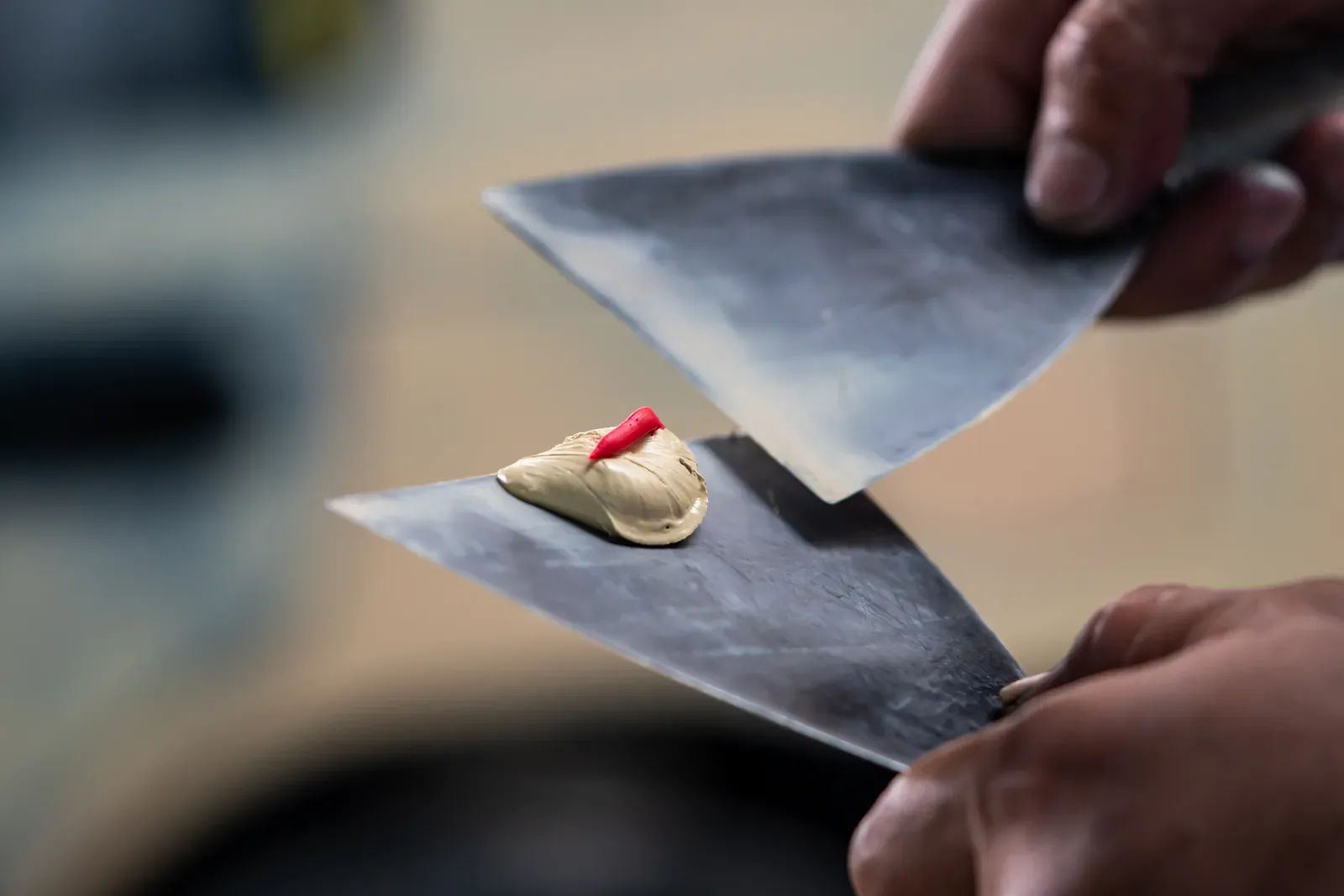
Dents in the flat middle of a door are far more forgiving. That is why two dents of the same size can carry very different numbers, and why we look at the actual panel under a light board before quoting rather than guessing from a photo alone. Body-line damage usually means filling, blocking, and a refinish to get that line true again.
- Flat panel with paint intact — the easiest and cheapest case
- Body-line dent — worked, filled, blocked straight, then refinished
- Sharp crease from a door edge — stretched metal, a refinish every time
- Mirror-height scrape — often clearcoat only, sometimes just a polish
Claim it or pay it — the honest comparison
Whatever your comprehensive or collision deductible happens to be, a great many single-panel dent repairs land under it. When that is the case, opening a claim buys you nothing except a claim on your record, and we point that out rather than quietly filing it. The right order is repair number first, insurance decision second, and we give you that number free. Nothing is filed on your behalf without you saying so first.
When the damage is bigger than that, we run the claim end to end — photographs and documentation to the adjuster, and a supplement filed directly if teardown finds more than the first estimate showed. Every insurance company is accepted, and under Minnesota law none of them can require you to use a particular shop. The refinish carries a lifetime warranty either way. One person handles the file, so you are not repeating the story to a new voice every week.