Valley roads and the damage they cause
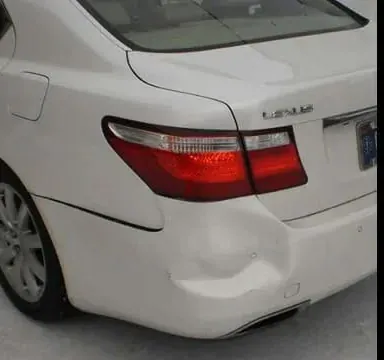
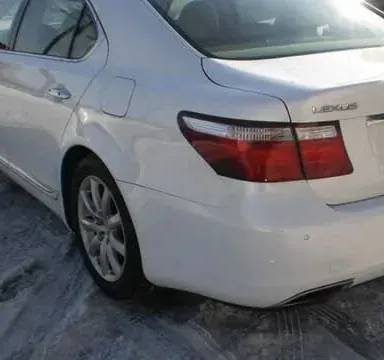
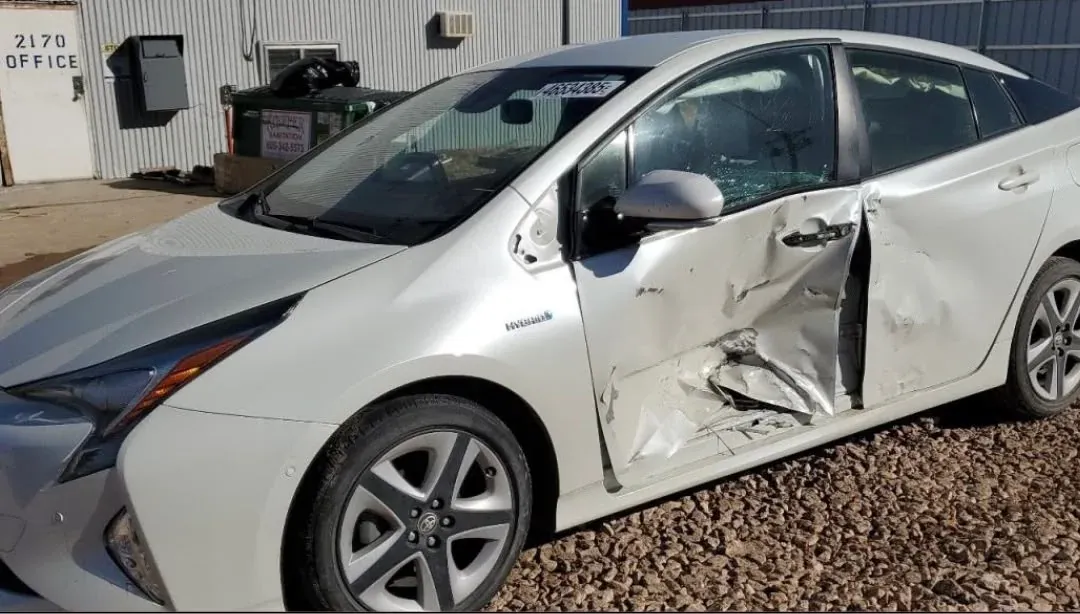
Jordan sits where farm roads meet a fast four-lane, and both leave marks. County Road 282 and the gravel feeding into it throw stones at leading edges. The 169 valley stretch brings deer, and a deer brushes a fender at least as often as it destroys a hood. Add gate posts, implement hitches, and a grain truck backing up, and you have most of what arrives here from Jordan. Almost all of it lands on the lower half of the vehicle, which is also where salt sits longest.
What almost none of it involves is another driver with insurance details to exchange. That makes the repair number the whole decision, which is why it comes first, free, and in writing, before anybody talks about claims or deductibles or whether the job is worth doing at all. A shop that gives you the number and then leaves you alone with it is what we have tried to be since 2010.
Surface scratch or through the paint
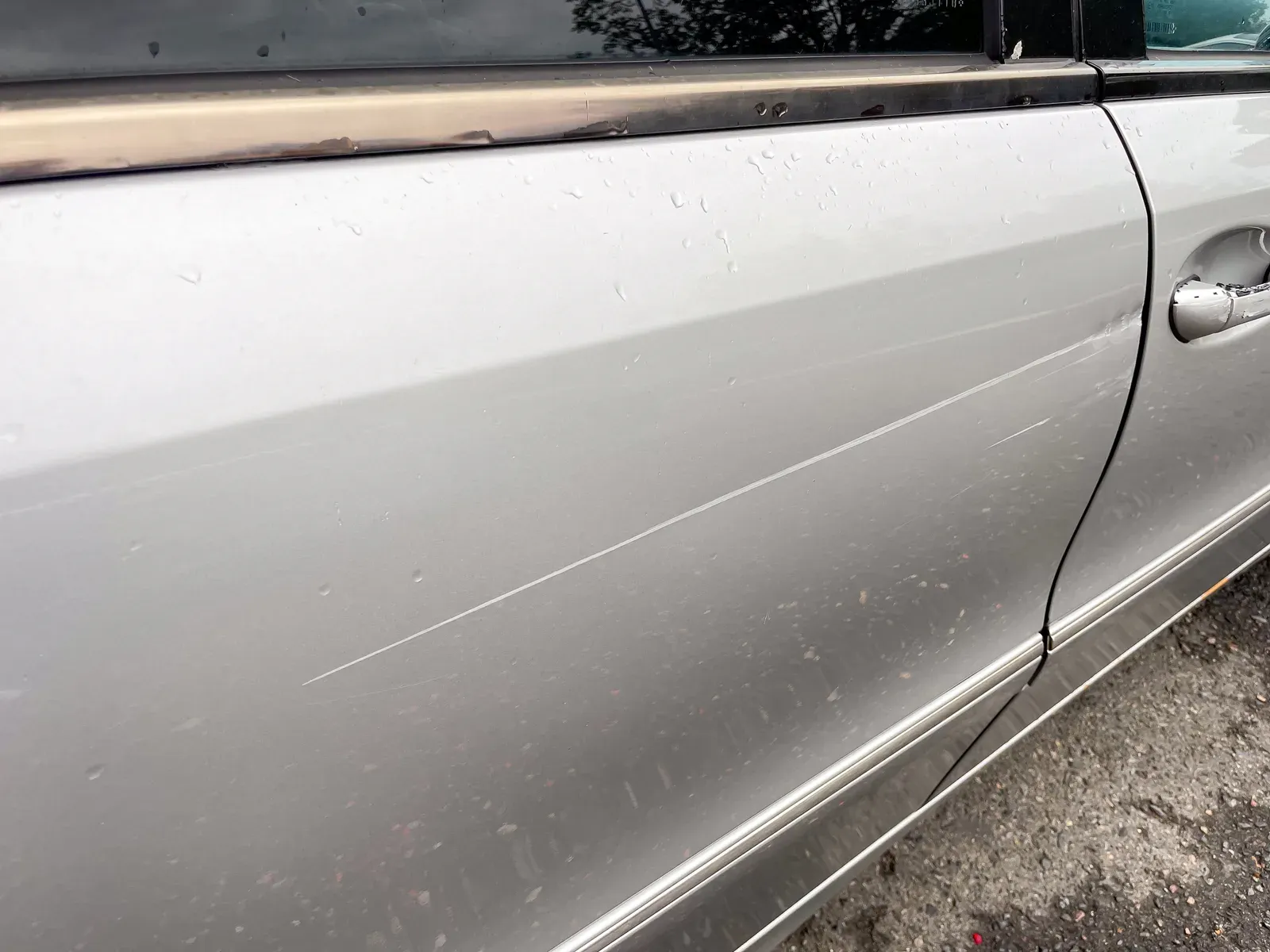
Automotive paint is layered: primer, then color, then clearcoat over the top. Most gravel scratches only mark the clear, and those can often be leveled and polished until they disappear entirely, with your original color untouched underneath. A fingernail dragged across one of them slides straight over. That is the cheapest outcome available and it is worth checking for before assuming anything worse. A clean panel and low sun make that test easier than a wash bay ever will.
A scratch your nail catches in has cut through the color, and on salted Minnesota roads any exposed primer or steel begins corroding within a season. Those areas get sanded back, primed, sprayed to your paint code, and cleared into the panels alongside so the repair has no visible boundary. The finish carries a lifetime warranty for as long as the vehicle is yours, and sealing the area properly is what stops the same spot returning in two years.
Deer strikes, and when to involve insurance
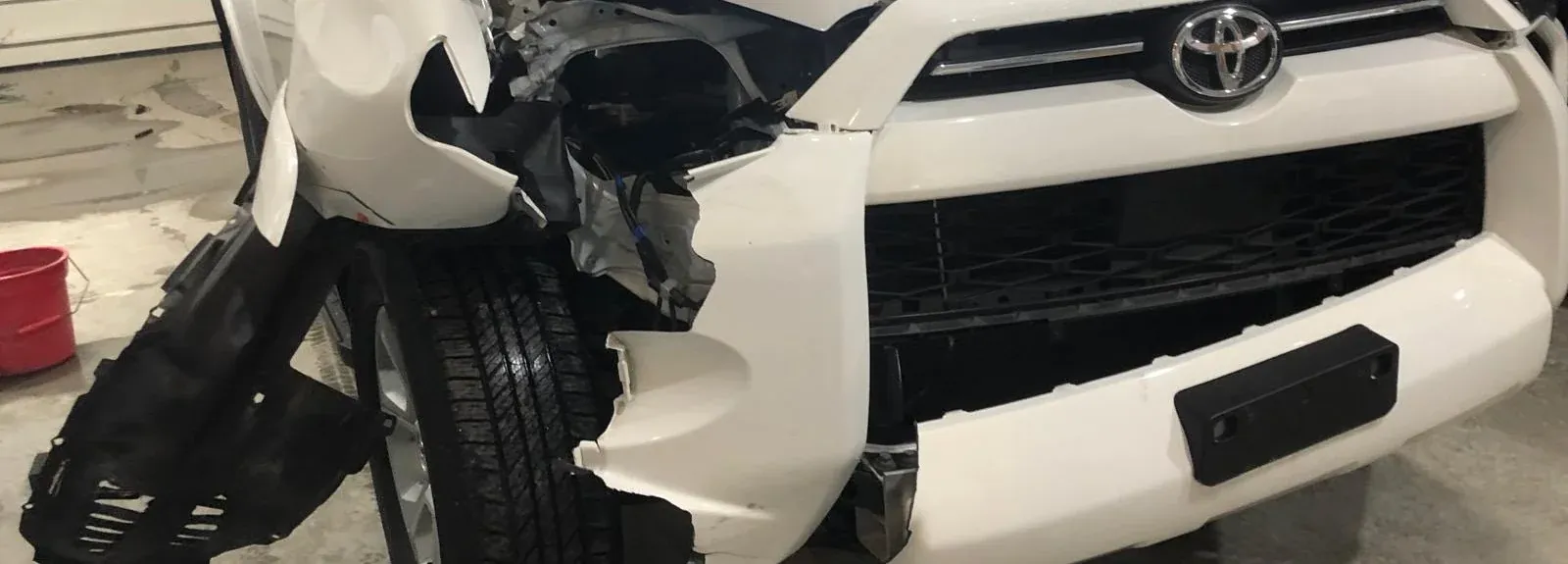
A deer strike is comprehensive coverage in Minnesota rather than collision, and comprehensive deductibles are usually lower. That matters, because a glancing hit that dents a fender and cracks a headlight bracket can land on either side of the deductible line depending entirely on what is behind the panel. We take the bumper cover or the liner off and look before telling you which side it falls on. Headlight brackets and washer bottles are the parts that most often push the number over the line.
If claiming makes sense, we open it, document it, and deal with the adjuster directly, filing a supplement when teardown finds more than the first estimate covered. If it does not make sense, we say so. And if the car is not drivable out on 282, we arrange the tow rather than leaving you to sort that out from the shoulder. None of that costs you anything if you decide against claiming in the end.