Street parking around 50th & France
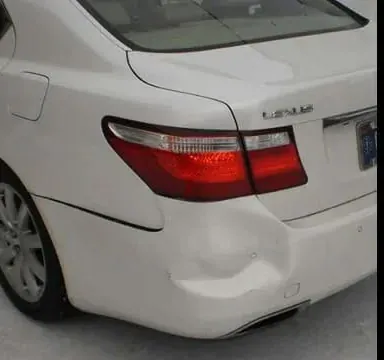
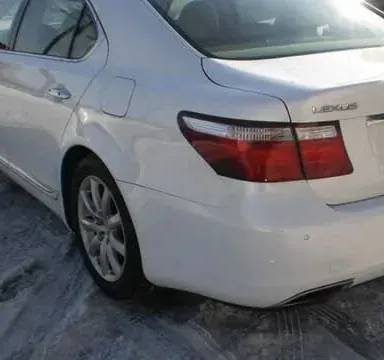
Angled and parallel spaces on Edina’s older commercial streets were laid out for narrower cars than the ones parked in them now. The result is a steady supply of mirror clips, door-edge dings, and long low scrapes from curbs and concrete planters, most of them on vehicles where the finish is the expensive part. Southdale’s ramps and the Galleria contribute their share as well. A planter caught at low speed in a parallel space can take a rocker panel and a door in one movement.
On a solid color, a scrape is a straightforward repair. On a metallic, a pearl, or a three-stage red it is a color-matching exercise first and a body repair second, because the metallic flake has to lie the same way in the new paint as it does in the old. If it does not, the panel reads as two slightly different shades the moment the car sits in daylight. Getting that wrong is expensive on a car where the finish is most of the impression it makes.
Why saving the original paint matters most here
The best color match is the one you never have to make. When a dent’s paint is unbroken and the metal has not stretched, the panel can be worked back to its original lines and the factory finish stays untouched — no mixing, no blending, and no risk of a mismatch appearing two summers later as the repaired area and the rest of the car age at different rates. On a car you intend to keep, that is worth more than any discount.
When refinishing is unavoidable, the process is the safeguard. Color is mixed to your vehicle’s paint code, sprayed on a test card, cured, and held against the actual panel in daylight, then blended outward into the adjacent panels rather than stopped at a seam. Tri-coats get their mid-coat coverage checked at that same stage, because that is precisely where cheap matches fail. Nothing goes on the car until that card has been checked against it outside in natural light.
Repair or replace, both numbers on the page
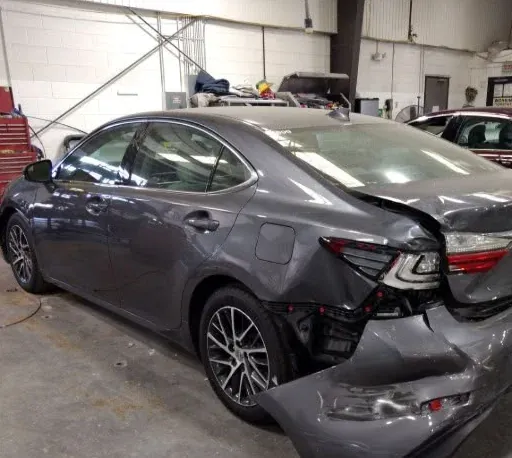
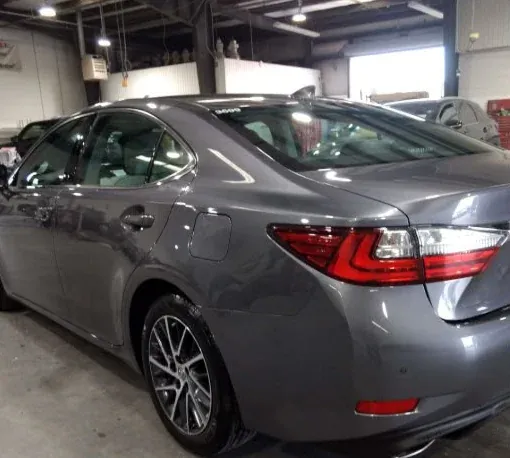
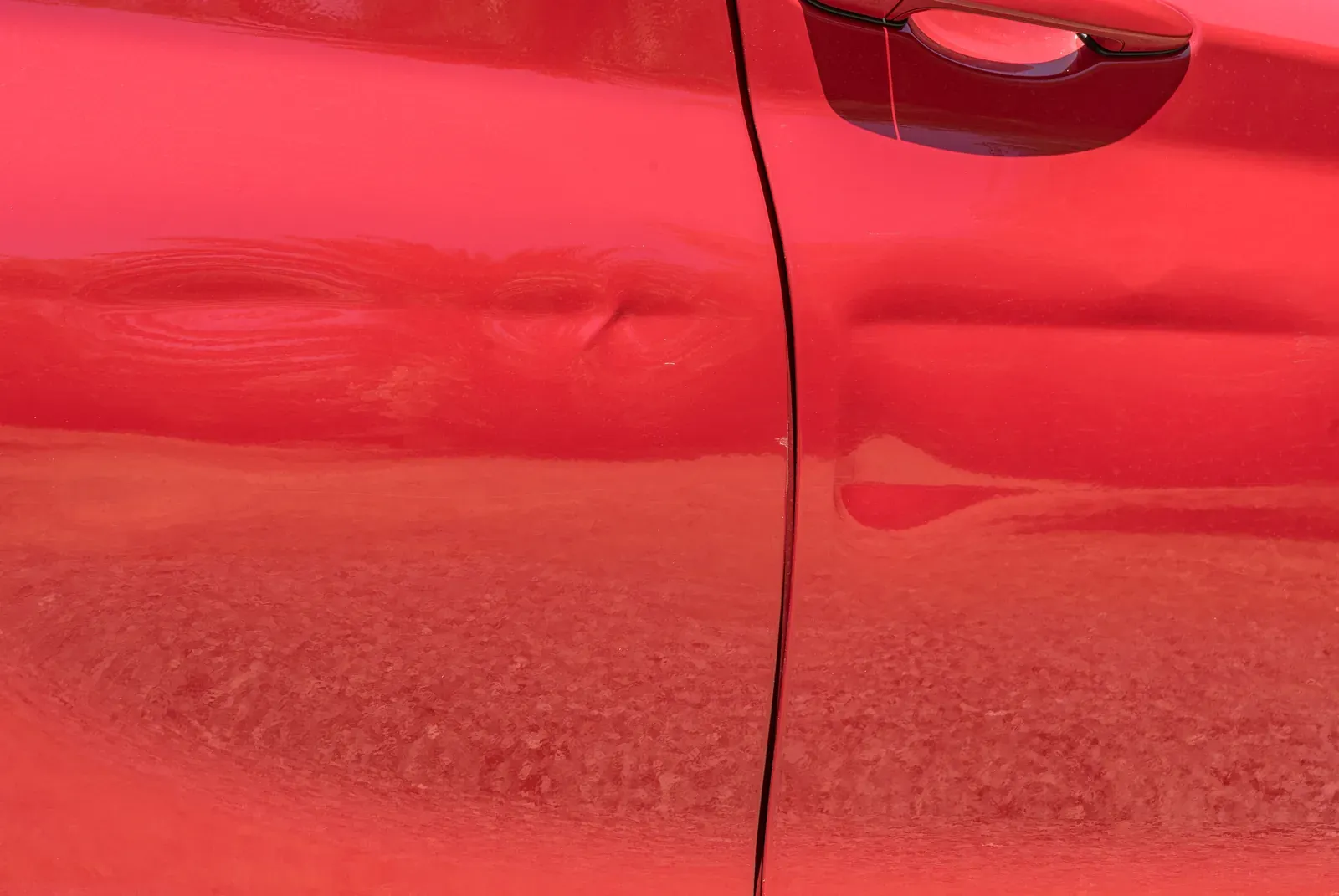
A dented door skin with sound paint is usually worth saving. A door skin with a crease across the body line, or an aluminum panel that has already been worked once before, sometimes is not. Rather than deciding quietly and handing you a total, we price the repair and the replacement side by side and explain what each one does to the finish and to the car’s record.
That comparison is the reason people drive twenty minutes past several closer options. Estimates are written by the owner, every job is photographed in and out, and nothing is added mid-repair without your approval. It is a slower way to run a shop, and it is why the Google rating has stayed at 5.0 across more than 110 reviews. If a closer shop can genuinely do the same work, we will not pretend otherwise.