One highway, all the way south
From Ridgedale, Shady Oak Lake, or the Opus campuses, US 169 is the whole route: south through Eden Prairie, across the Minnesota River, and onto Highway 13 a few minutes from the shop. Fifteen miles, roughly half an hour, and no reason to touch I-494 or Highway 62. The river crossing near the end is the only landmark worth watching for. Heading back north in the evening is the slower direction, so afternoon pickups are worth planning around.
Minnetonka is not short of body shops, and we will not pretend the drive is the convenient choice. It is the deliberate one — the kind people make after a repair somewhere else did not come back right. That is a particular sort of customer, and a fair number of them arrive from the west metro with the same complaint. The drive is a deliberate choice, and people tend to make it once and then keep making it.
The repair that did not quite match
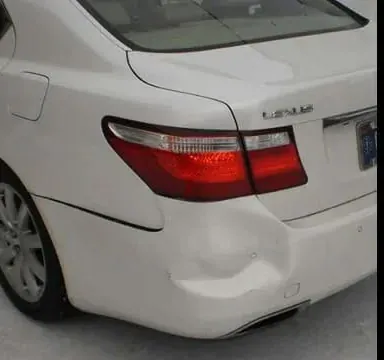
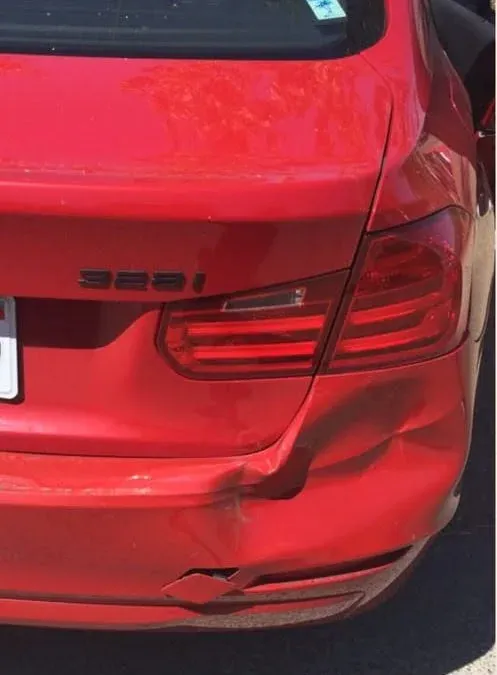
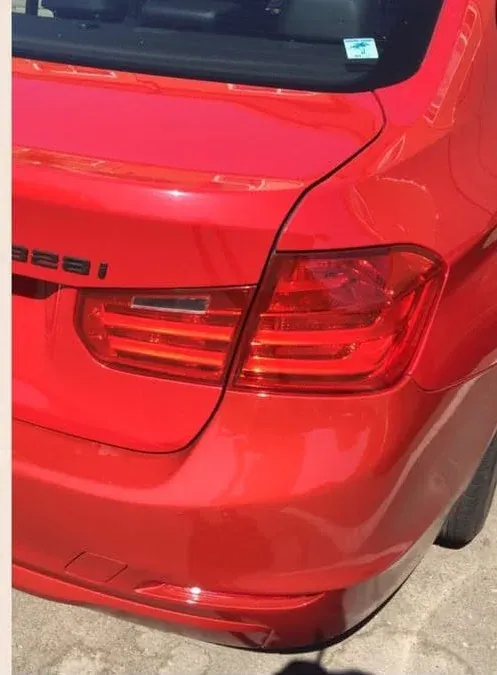
The most common complaint we hear from drivers coming south is not a botched frame pull. It is subtler: a metallic that reads slightly green in parking-lot light, a bumper cover sitting a few millimeters proud of the fender, a door gap that tapers. Individually trivial, collectively the reason a car never feels fixed. None of it shows up in a photo, and all of it shows up in a parking ramp.
Almost all of it traces to shortcuts in two places — spraying a panel to code without blending into the neighbors, and reassembling to "close enough" instead of to measured position. Both are avoidable. Both take longer to do properly, which is exactly why they get skipped in a volume queue. Neither is difficult; both come down to whether the shop is willing to spend the time. Reassembling to measured gaps takes longer than reassembling by feel, and it is the difference between a car that looks repaired and one that does not.
How the finish is actually built here
Color starts at your paint code, then gets compared to the panel as it exists today — sun-faded, weathered, and no longer identical to what the factory sprayed. Spray-out cards settle the difference, and the color is blended into adjacent panels so the transition falls somewhere the eye will not look. The goal is not a panel that matches the code — it is a car where nobody can find the repair.
The paint goes on in a downdraft booth to keep dust out of the finish, and the panels around it are aligned to measured gaps before anything is called done. The refinish work carries a lifetime warranty for as long as you own the vehicle, and the car is inspected and road tested before you drive it back up 169. None of that is proprietary — it is simply the slow version of the same job.