Twenty-five minutes up the valley
Everyone in Jordan knows the 169 run past the big yellow candy barn. Keep going another fifteen minutes and you are at our door: US 169 north through the valley, onto Highway 101, then Highway 13 into Savage. Seventeen miles, roughly twenty-five minutes, mostly at highway speed. The last stretch off 101 is the only part that feels like town driving. Winter is the one season that makes the valley run interesting, and even then 169 clears early.
There is no collision shop in Jordan itself, which makes Savage the natural destination rather than a detour. The reward at the end is an owner-operated shop with 110+ Google reviews and not one of them below five stars. For a town that has to travel for body work regardless, that is a straightforward trade — the distance was never the choice, only the destination.
What the 169 corridor and Highway 282 send us
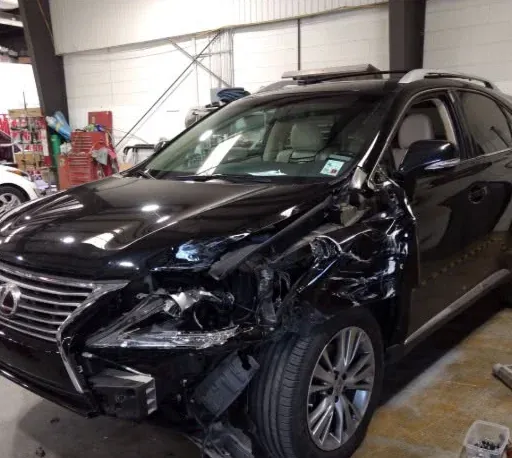
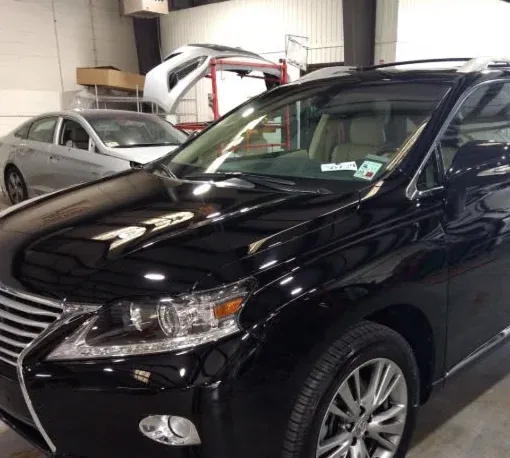
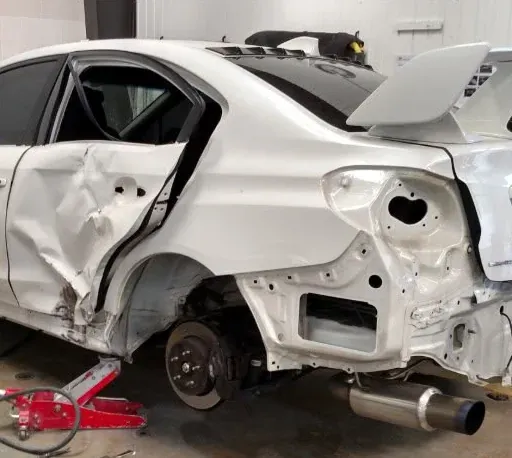
The valley stretch of 169 is fast, open, and busiest exactly when the light is worst. Deer come out of the Sand Creek bottoms at dusk, and a strike at that speed does not stop at the grille — it pushes the cooling stack, the hood latch mounting, and often the radiator support out of position. What reads as a hood and a grille on a quick estimate is usually four or five parts deep.
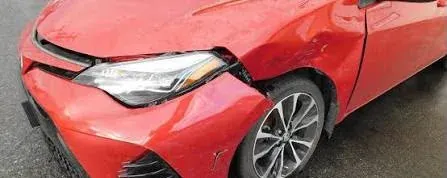
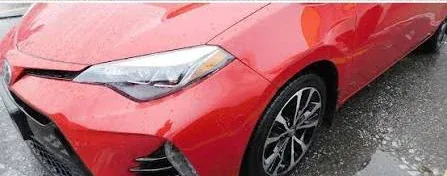
Highway 282 and the county roads around Jordan supply the other half: gravel shoulders that drag a car sideways, intersections with limited sightlines, and winter surfaces that make a routine stop a negotiation. Both patterns produce damage that goes deeper than the panels you can see. Both also land on vehicles people depend on for a long commute, which is why the repair plan gets settled before any parts are ordered.
- Deer strikes: hood, grille, lights, and the cooling stack pushed in behind them
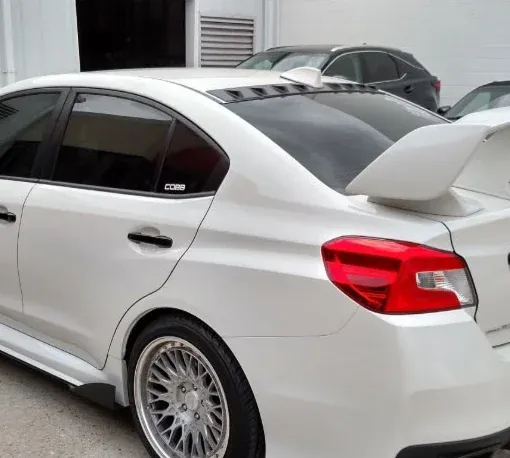
- Highway-speed front and rear impacts, laser-measured before any panel work
- Gravel-shoulder slides that bend rockers, wheels, and suspension mounting
- Towing arranged when the car should not be driven back up 169
Get the estimate before you spend an hour driving
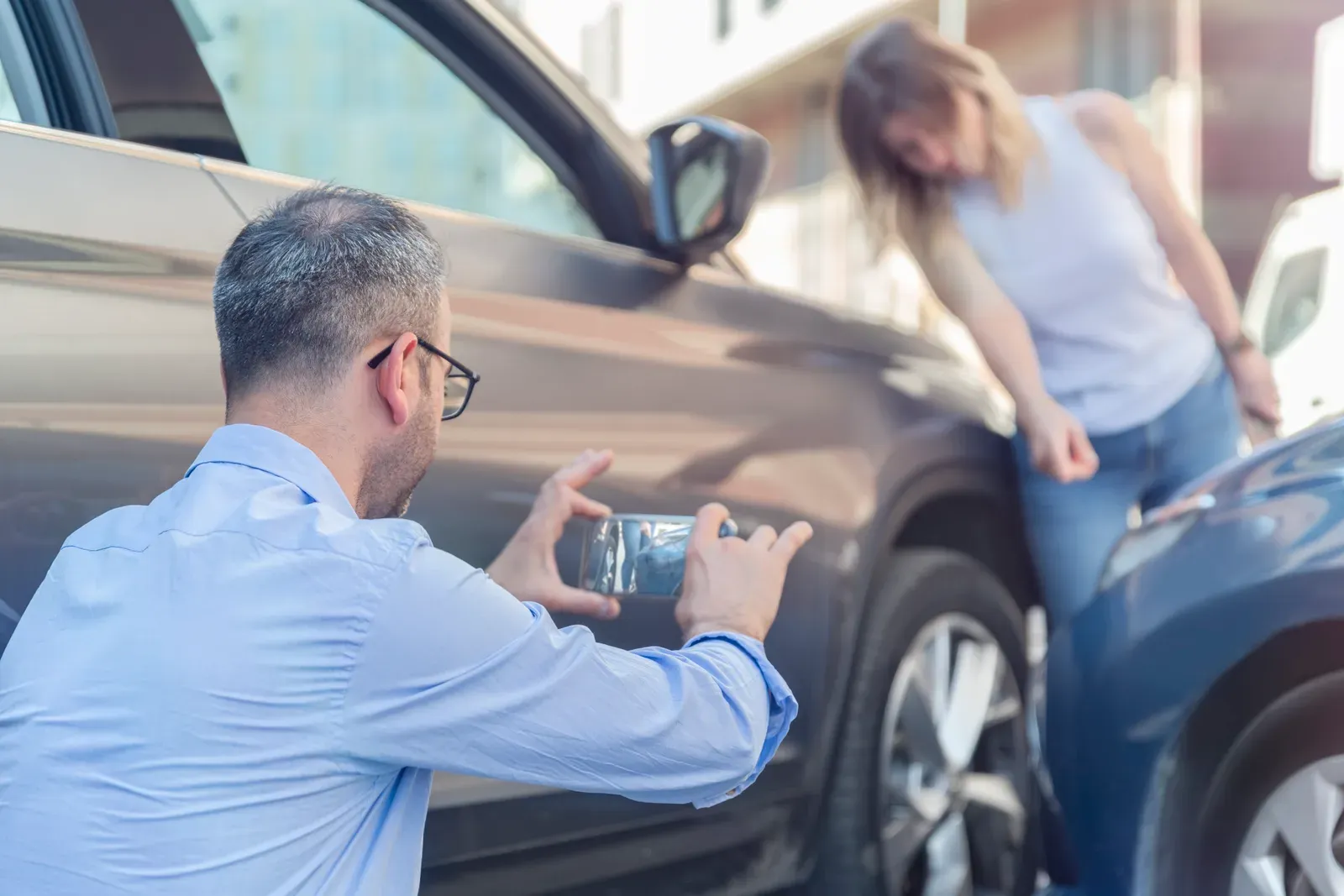
A round trip from Jordan is nearly an hour, which is a poor use of a morning if all you needed was a number. Photograph the damage where the car sits — one full corner, one close-up, one wide shot — send it over, and a free written estimate comes back within 24 hours. None of that costs you a trip up the valley. It is also the quickest way to find out whether the repair is worth putting on your policy at all.
If it becomes a claim, we open it with your insurance company, meet the adjuster at our shop, and file supplements when teardown finds more. Animal strikes usually fall under comprehensive rather than collision coverage, which is worth confirming with your insurance company before you file. The paperwork on our end works the same either way, and every insurance company is accepted here. Which coverage applies changes what comes out of your pocket, so it is worth one call to your agent first.