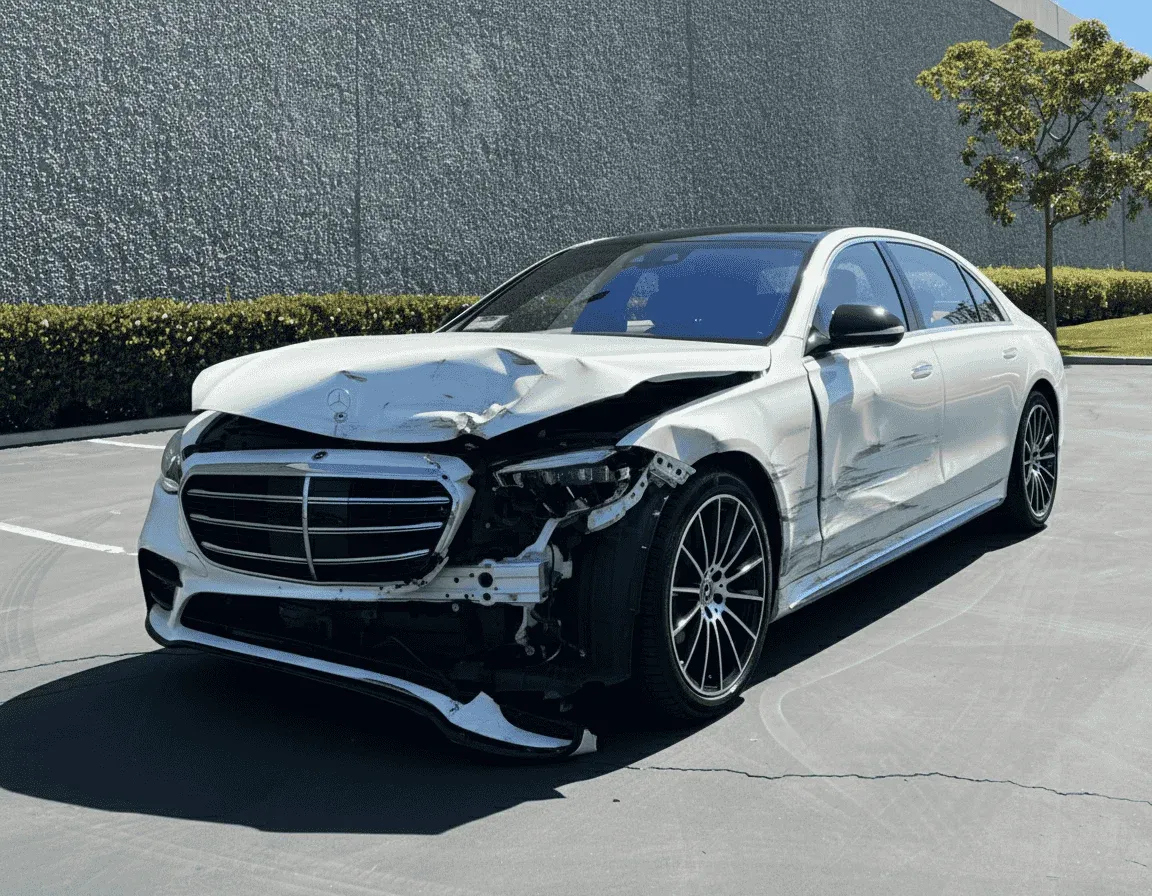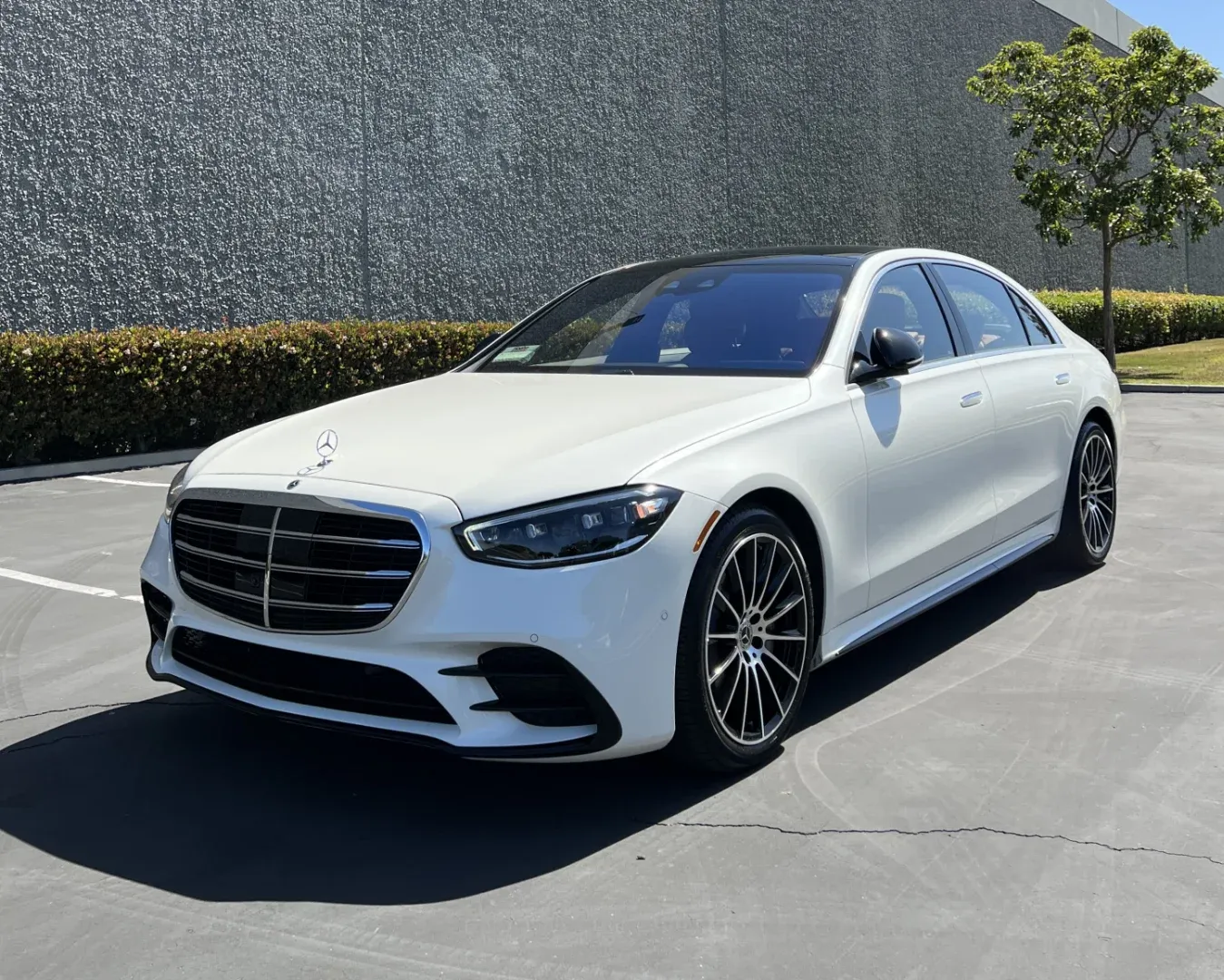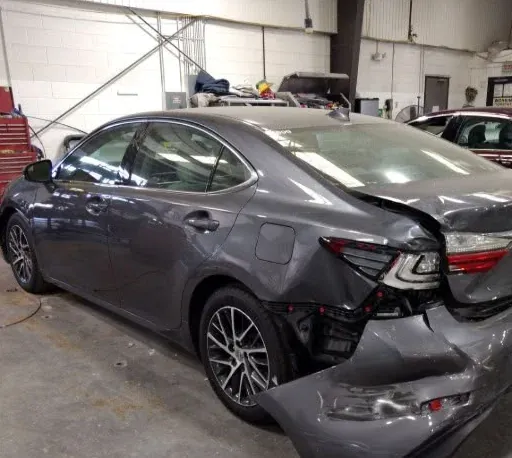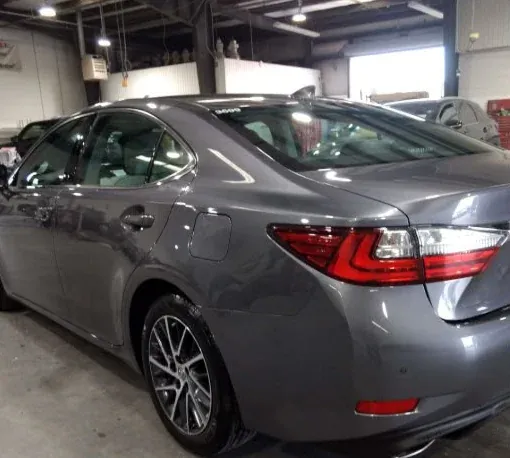
The repair leaves the city no matter what you choose
There is no collision shop inside Edina, so every damaged car around 50th & France, Southdale, or Braemar ends up driving somewhere. Once that is true, the twenty minutes down Highway 100 to I-494 and then south is not really a cost — it is a choice about where the car spends the week. Everything past that point comes down to who is doing the work. Traffic on Highway 100 decides most of the drive time, so an early drop-off is worth the alarm.
Most of the alternatives are volume shops working through a queue. We are owner-operated, which is why the reviews read the way they do: 5.0 across 110+ of them, and a striking number specifically about paint nobody could detect afterward. That is the part Edina customers care about most, and it is the part that cannot be faked — a mismatch announces itself in the first hour of daylight.
Paint is where premium finishes are won or lost
The vehicles in Edina driveways skew toward the finishes that are hardest to match — three-stage pearl whites, deep metallics that shift with the light, and European colors with tinted clear. Pulling a code off the door jamb and spraying it is how those repairs go wrong; the panel next to it has years of sun on it and no longer matches the code either. Two panels sprayed to the same code can also land differently depending on how the paint was applied, which is why the comparison happens against your car rather than a chip book.
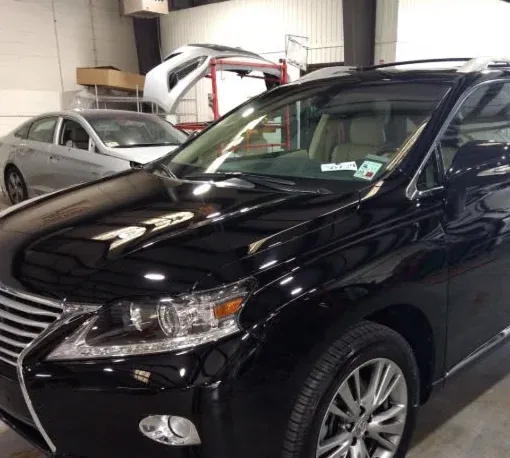
The process here is slower on purpose. Color is mixed to code, sprayed on a test card, checked against the actual panel, adjusted, and then blended out into the neighboring panels in a downdraft booth so there is no hard edge to catch daylight. On a tri-coat that can mean laying the pearl mid-coat separately and checking it twice, which is slow and is also the only way the panel disappears.
- Paint code pulled from the vehicle, then verified against the panel as it sits today
- Spray-out cards checked in shop light and daylight before the car is painted
- Blend panels used so the transition falls where the eye cannot find it
- Downdraft booth finish, lifetime warranty on the refinish work
Air suspension, sensors, and the rest of a modern repair
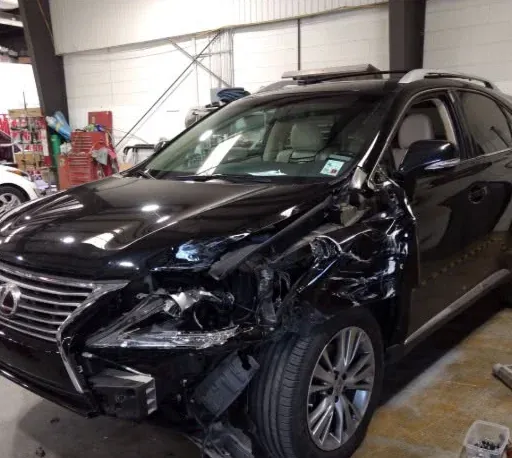
Newer luxury vehicles carry radar behind the grille, cameras in the mirrors, and ride-height sensors that assume the body is where the factory left it. A structural repair that is a few millimeters off can leave those systems technically working and functionally wrong. A radar unit aimed a fraction low still reports healthy while reading the road further out than the manufacturer intended.
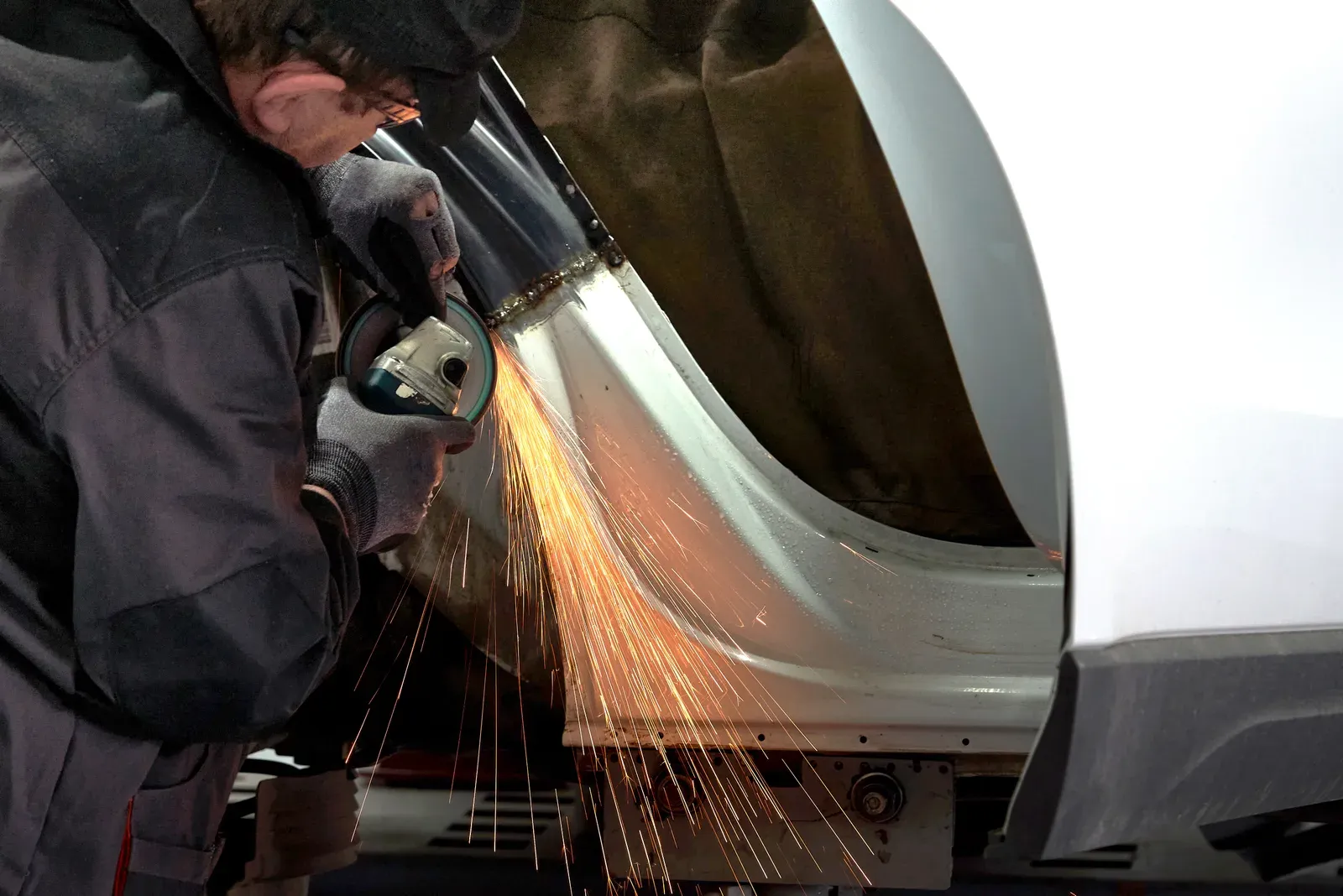
That is why structural damage is laser-measured before the pull and again after, with both readings documented. OEM parts are specified for the components manufacturers say must be renewed, and the car is inspected and road tested before anyone tells you it is ready. For a vehicle that spends its life between Southdale and the Crosstown, that last step is not a formality. Calibration requirements vary by manufacturer, so we follow the procedure written for your vehicle rather than a generic one.