
The river valley run east
From Hazeltine, Firemen’s Park, or the brick blocks of downtown Chaska, the route is Highway 41 south to US 169, then east along the Minnesota River until Highway 101 hands you to Highway 13. Twenty-five minutes is a fair estimate, and the valley stretch moves well outside of rush hour. From the Hazeltine side, add a few minutes just to get down to 41. Coming out of the newer neighborhoods south of town, picking up 212 east to 169 works about as well.
Chaska sits at the edge of the metro’s collision coverage, with essentially one chain option in town. That is not a complaint about the chain — it is simply why so many Carver County drivers already expect to travel for body work, and why the extra few minutes east tends to be an easy trade. What those minutes buy is an owner-operated shop with a perfect Google record.
County roads, river fog, and the deer that live in between
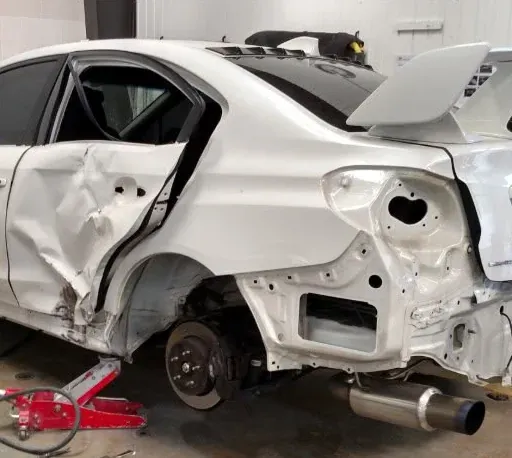
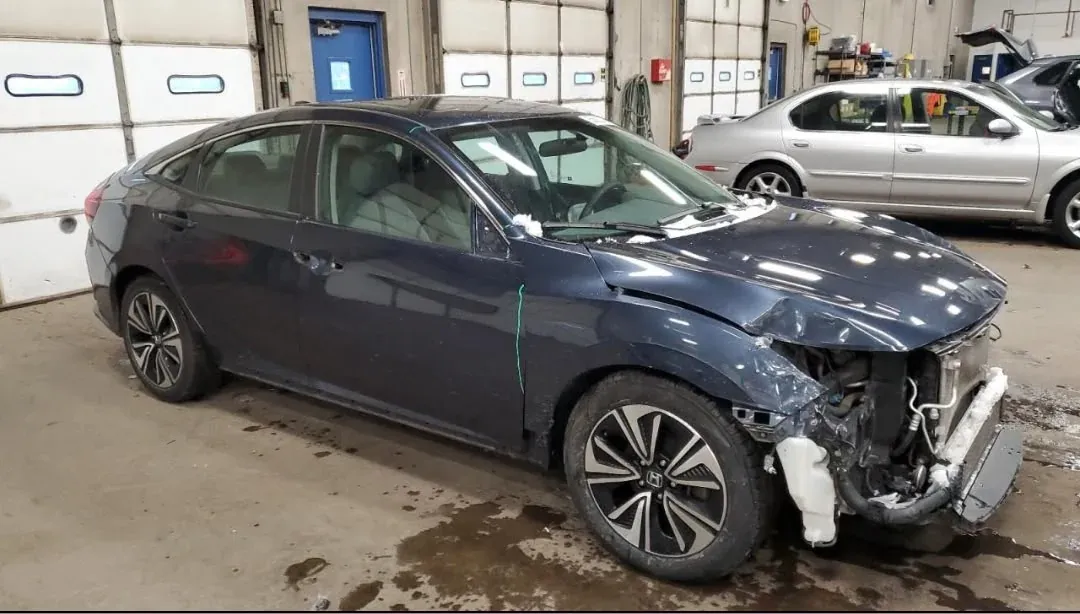
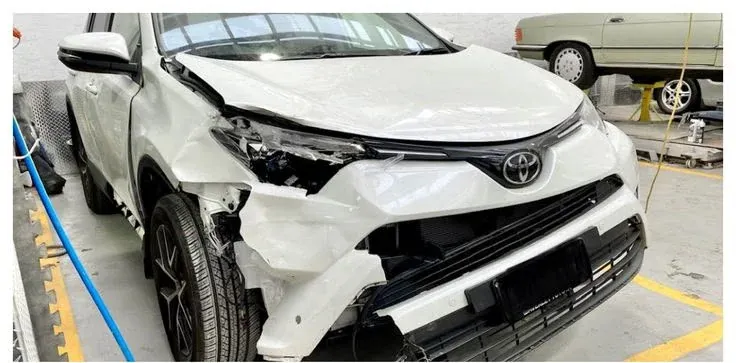
The roads around Chaska mix fast rural stretches with sudden small-town speed limits, and the river bottom generates fog that turns a familiar commute into a guessing game. Rear-end and deer-strike damage both show up more here than in the inner suburbs, and both tend to reach further into the car than the outside suggests. A hood that still latches can be sitting on a radiator support that moved.
Winter adds the intersection slide — a front corner into a curb or a snowbank, which sounds minor and frequently bends a lower control arm mount. We measure rather than assume, because a car that drives straight out of the lot is not proof the structure came through clean. The measuring equipment answers that in millimeters, before anyone starts pulling. Suspension damage is the sneaky half of a curb hit, and it rarely announces itself until the tires start wearing on one edge.
Storm season fills the queue fast
Carver County catches severe weather before the inner metro does, and after a bad night every shop from Chanhassen to Chaska books out within days. If your car was damaged in a storm — hail, a downed branch, a collision on wet pavement — photograph it that morning and send it in rather than waiting to see how the week goes. Drivers who wait out the week usually end up in line behind everyone who did not.
A written estimate comes back within 24 hours and gets you into the schedule. From there we open the claim with your insurance company, meet the adjuster here, and handle supplements directly when teardown adds to the list. Sending photos costs nothing and carries no obligation, and it holds your place in the schedule while the rest of the metro fills in behind you. If the calendar is genuinely tight, we will say so up front rather than take the car and let it sit.