Highway 101, south past Shakopee
Chanhassen sits north of the river, so the trip runs down Highway 101 through Shakopee and picks up Highway 13 on the far side — roughly 25 minutes from the Paisley Park end of town, a little more from the Arboretum side. It is an unremarkable drive, which is the best thing you can say about a route. Nothing on it is scenic and nothing on it is complicated.
Nothing in Chanhassen is far from a collision shop in the abstract sense. What is harder to find is one where the same person estimates the damage, oversees the repair, and inspects it before you see it — which is the difference the drive buys. Chanhassen drivers who have had a repair go sideways somewhere else usually work that out for themselves. The city also sits far enough out that a shop with room on the calendar beats a closer one that is booked solid.
The AutoMotorPlex standard, applied to a minivan
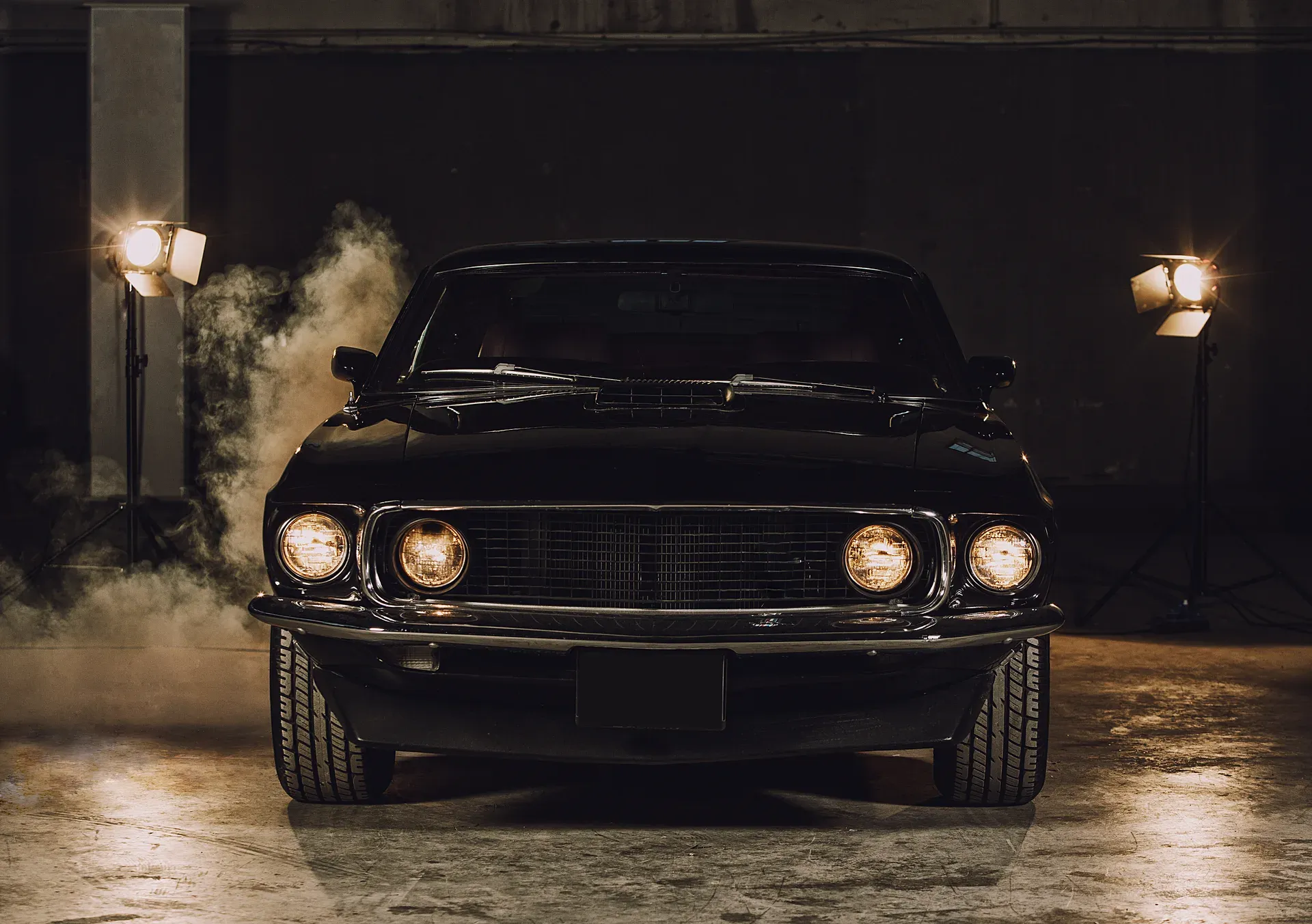
Chanhassen has an unusual concentration of people who know what good bodywork looks like. The AutoMotorPlex crowd spends weekends looking down the length of a panel at reflections, checking for the wave that says filler, and reading paint edges the way other people read a receipt. They notice orange peel, they notice a door gap that tapers, and they notice a metallic that reads differently under the same sun. Nothing sharpens an eye quite like a weekend spent under a hood.
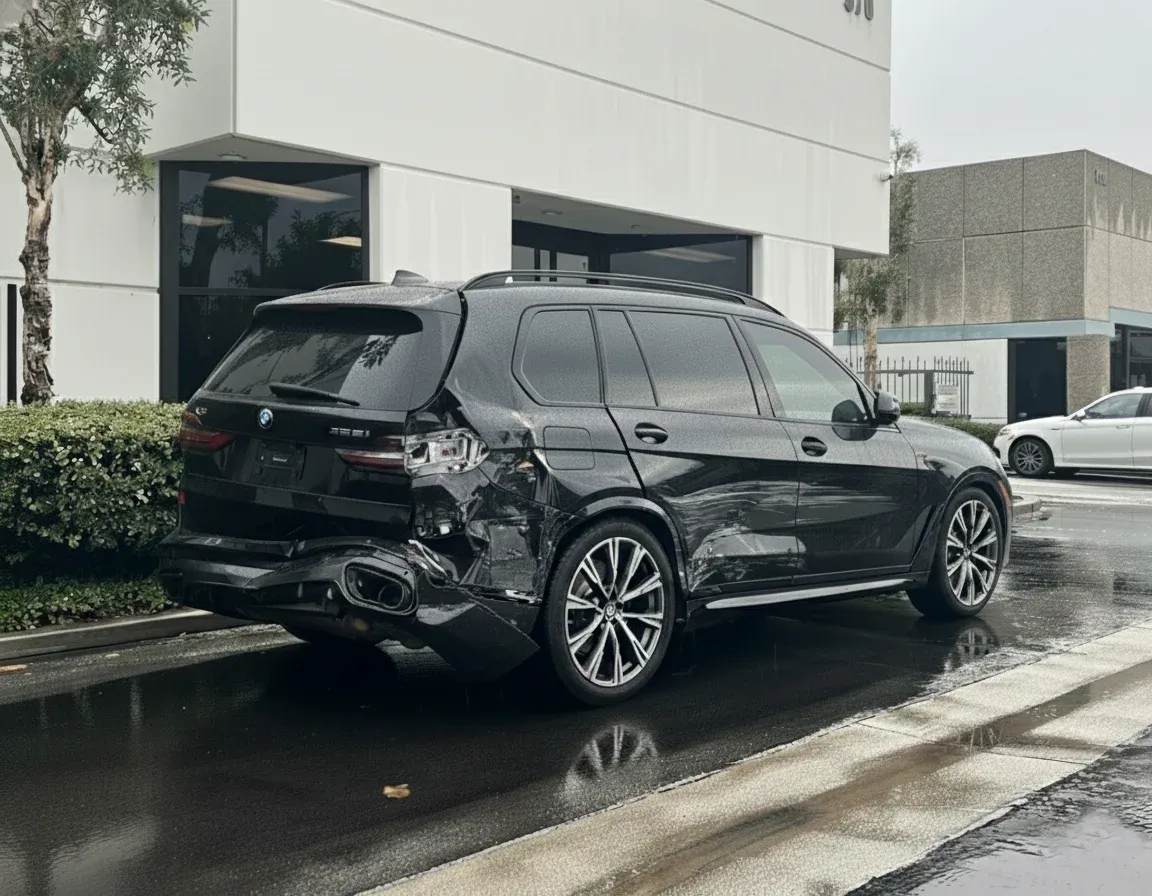
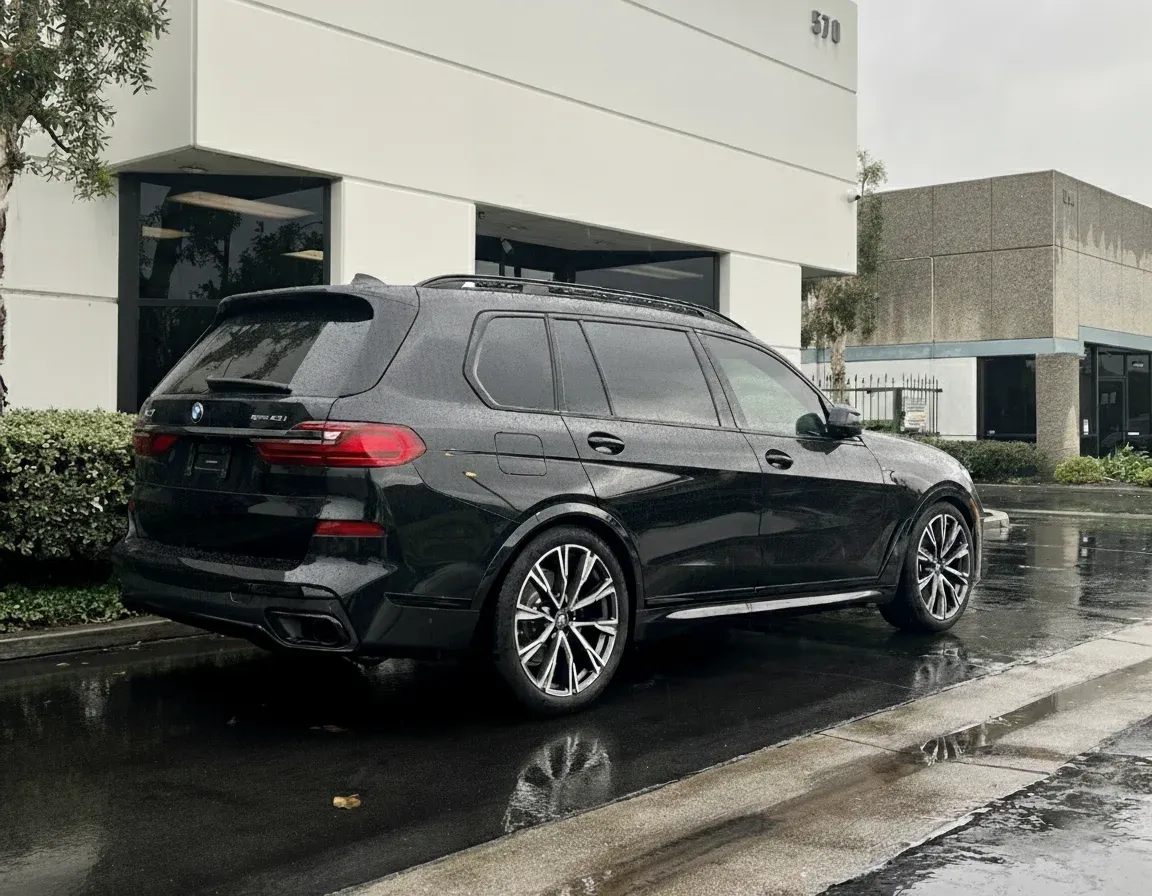
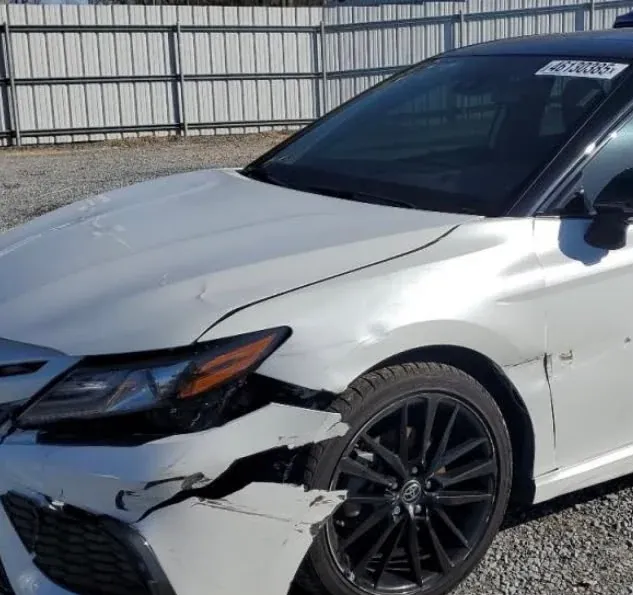
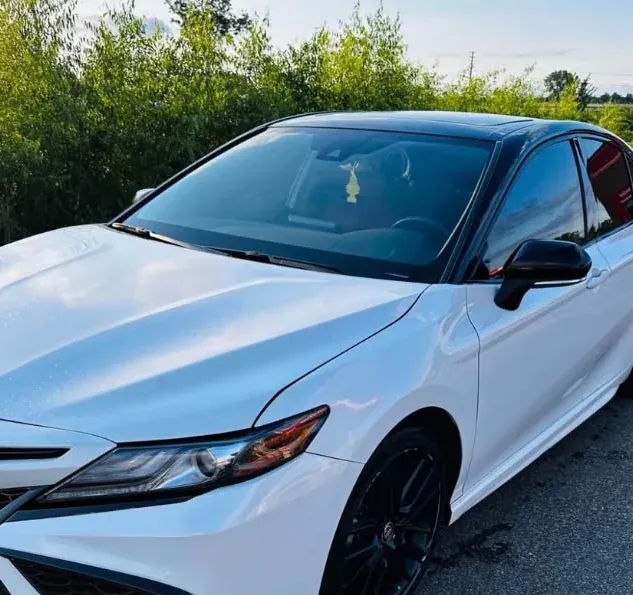
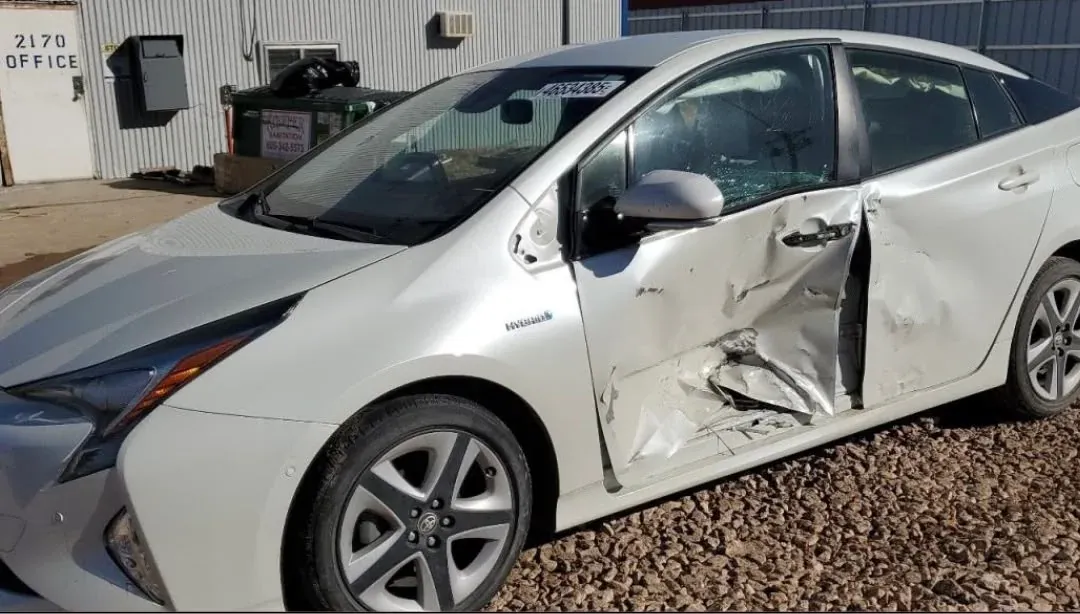
That standard is not reserved for collector cars here. A commuter sedan with a caved rear quarter gets the same downdraft booth, the same computerized color match, the same blend into the adjacent panels, and the same lifetime warranty on the finish. A daily driver is still the car you look at every morning. Nothing about the process changes because the badge on the grille is a common one. Same booth, same color process, same inspection at the end of it.
Structure first, finish second
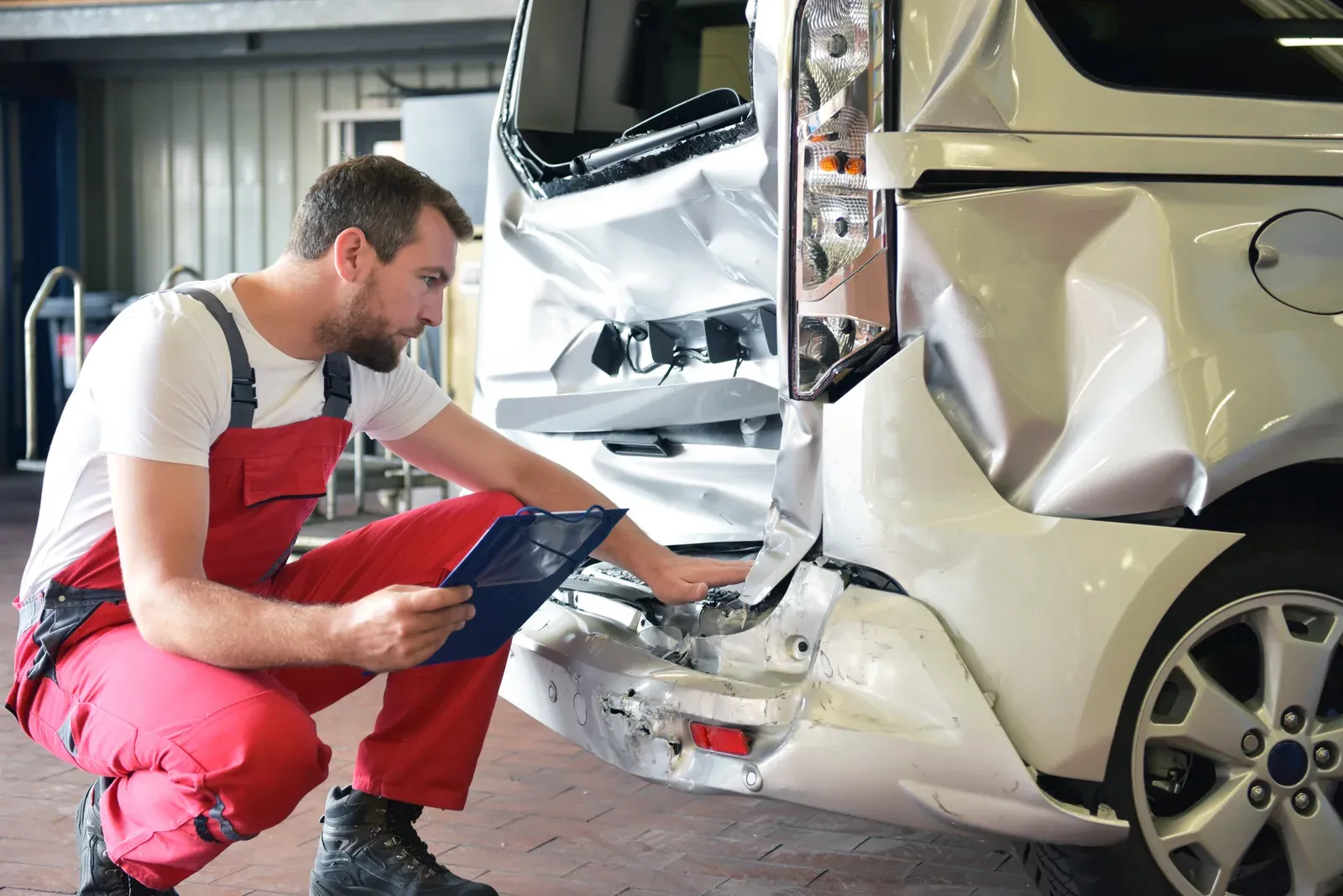
Good paint over bad structure is a cosmetic solution to a safety problem. Before anything is refinished, structural damage is measured with laser equipment against factory specification, pulled, and measured again, with both readings kept on file as part of the repair record. If the numbers do not come back to specification, the car does not move on to paint — no amount of finish work corrects a body that is out of shape.
Panels are then repaired or replaced according to what the manufacturer allows rather than what is quickest, and parts that carry sensors or crash function are specified OEM. Only after all of that does the car go into the booth — and it still gets a final inspection and a road test before pickup. The order of those steps matters more than any one of them does alone.