The river is a shortcut, not a barrier
West Bloomington is closer to our shop than it is to most of the collision brands clustered around I-494. US 169 drops south over the Bloomington Ferry Bridge and lands on Highway 13 a few minutes from the door — under twenty from Hyland Park, and often quicker than fighting east across the 494 strip mall traffic at the wrong time of day. The bridge approach does back up in the evening rush, so a mid-morning drop-off is the easy one.
That geography surprises people. Bloomington is a long city, and drivers near Bush Lake or Normandale Lake tend to picture Savage as far away when it is roughly eight miles of straight highway. The bridge is the whole trip. East of the airport the math changes, but for anyone west of Normandale the river crossing is the shortest route to a shop with an unbroken review record.
More collision locations than anywhere in the metro
Bloomington has no shortage of options. Between the airport, the Mall of America, and the 494 corridor, it holds more corporate collision locations than any city in Minnesota — most of them DRP shops with volume agreements that shape how repairs get written and how fast they get pushed through. That model works fine on simple jobs and shows its seams on complicated ones. A volume agreement is not automatically bad; it does mean the shop answers to a second party, and on a difficult repair that tends to surface in the parts list.
What is genuinely scarce is a small shop with an unbroken record. Ours is 5.0 across 110+ Google reviews, owner-operated since 2010, with the paint work warranted for as long as you own the vehicle. That is the reason to point the car south across the bridge instead of east into the cluster. It is a small shop on purpose, and the schedule belongs to the owner rather than to a volume agreement.
What a 494-corridor crash actually needs
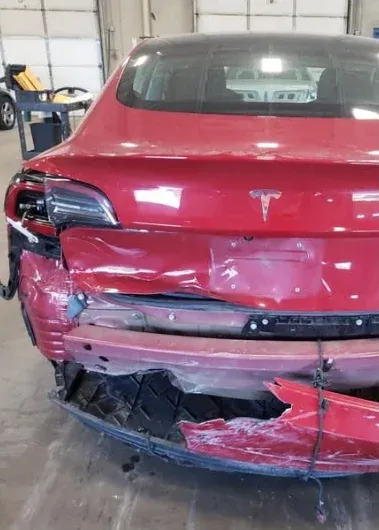
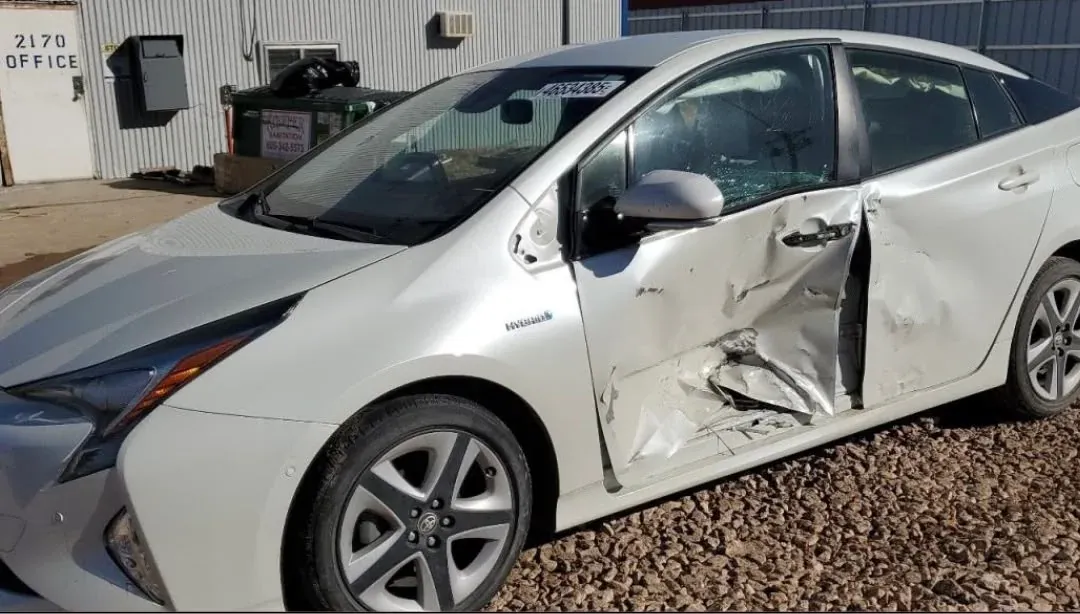
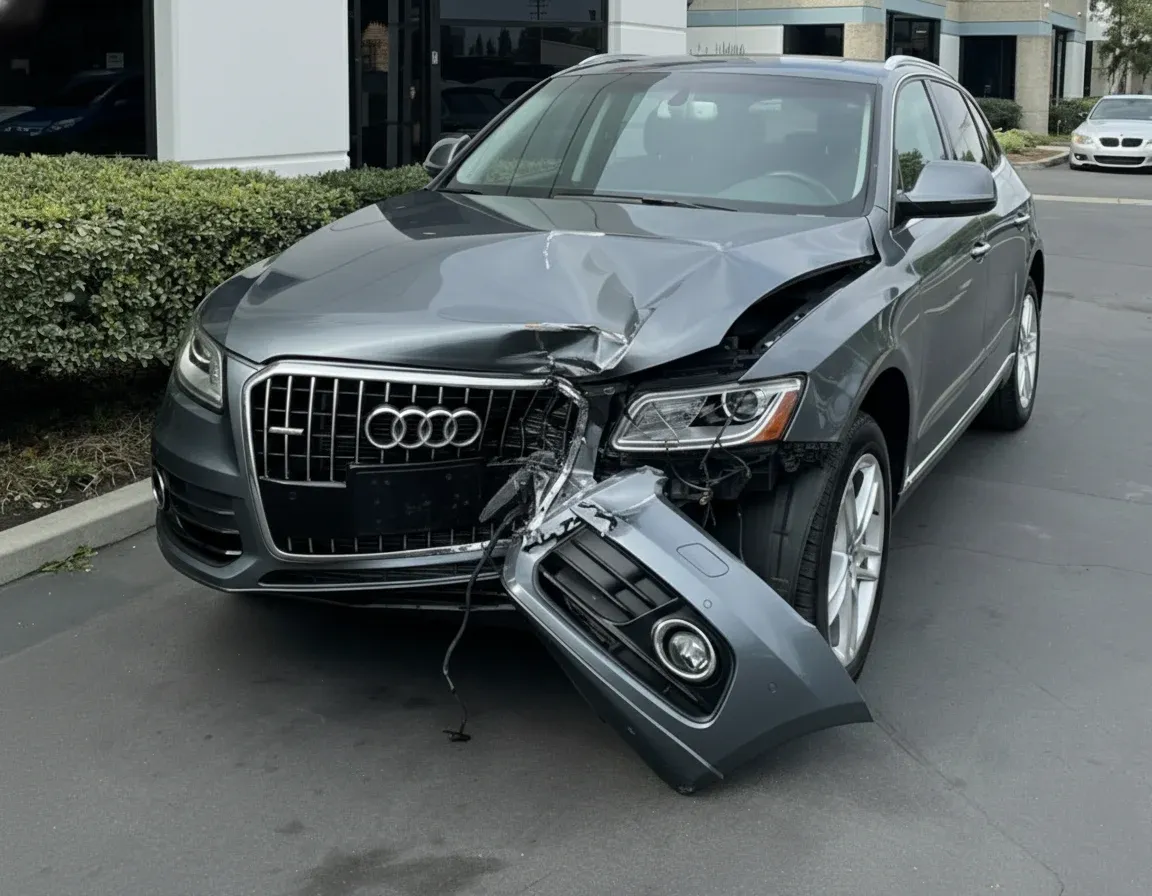
The freeway hits that come from I-494 and I-35W tend to be rear-end and side impacts at real speed, which means airbag sensors, crush zones, and structural rails are all in play — not just sheet metal. Repairing those to factory specification requires measurement before the pull and measurement after, both documented. A repair nobody measured is a repair nobody can prove was done correctly.
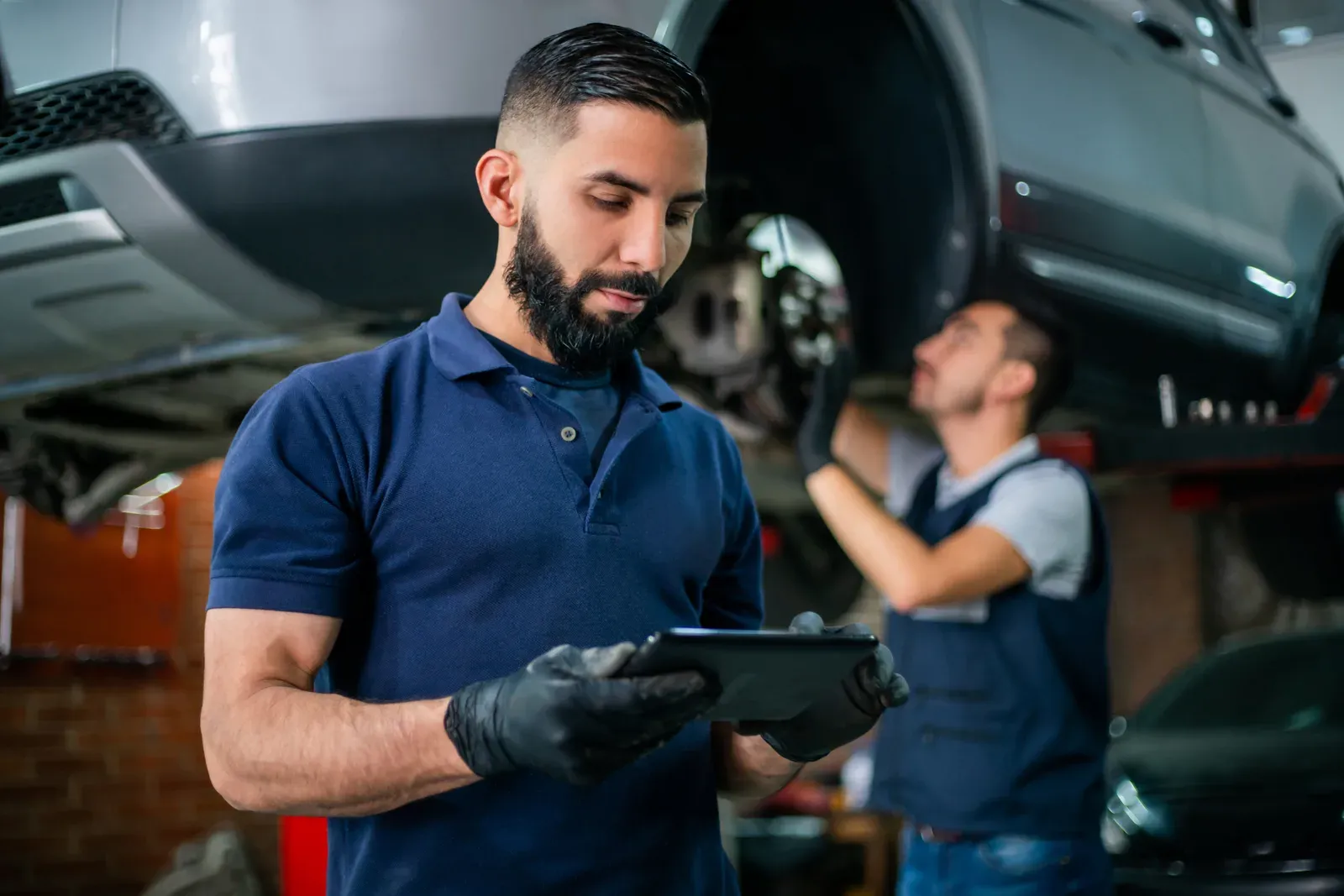
Refinishing gets the same discipline. Color is matched by code, sprayed out, checked against the panel, and blended into the adjacent panels in a downdraft booth so the repair has no visible edge in daylight. Then the car is inspected and road tested before anyone calls you to pick it up. The refinish work is warranted in writing for as long as you own the vehicle. Nothing goes back to a Bloomington customer that would not pass the same inspection on our own vehicles.