Cadillac bodies mix materials more than most
General Motors has used Cadillac as the place to try ambitious body engineering. The CT6 was assembled from a mix of aluminum and multiple steel grades joined by close to a dozen different techniques in one shell, and the current sedans and crossovers continue to combine aluminum closures with press-hardened steel structures. The Escalade goes the other way as a body-on-frame vehicle where impacts move body mounts rather than crumpling a unibody.
None of that can be sorted out visually. Each damaged member is identified during teardown, the published procedure for that part is pulled, and the plan follows from it — including which joints are welded, which are riveted and bonded, and which assemblies are replacement-only. Laser readings are recorded before and after any structural correction and supplied with the finished paperwork. A Cadillac estimated from a photograph will be wrong about the material before it is wrong about anything else, and that is not a small error to build a repair on.
Super Cruise depends on hardware a collision reaches
Cadillac’s Super Cruise is more sensor-dependent than ordinary adaptive cruise: it combines a forward camera and radar with precise vehicle positioning and a driver-attention camera in the cabin, and it only operates when the system trusts all of its inputs. Front-end damage disturbs the forward hardware directly; windshield replacement moves the camera behind the glass; a rear hit touches the corner radars. The car does not always explain why the feature has become unavailable, which turns a straightforward body repair into a diagnostic exercise.
The result is that a Cadillac can pass a visual inspection and still refuse to enable the feature you paid for. Every one is scanned before teardown and after reassembly, genuine parts are specified where sensors read through panels, calibrations GM publishes for the work performed are completed, and the car is road tested so the systems are confirmed available before it goes back to you.
- Damaged members identified by material before a repair method is chosen
- Genuine GM parts specified for grilles and fascias in the sensor path
- Forward camera calibrated after windshield replacement or bracket disturbance
- Post-repair road test to confirm driver assistance features re-enable
Tintcoat reds and Crystal White are a two-stage decision
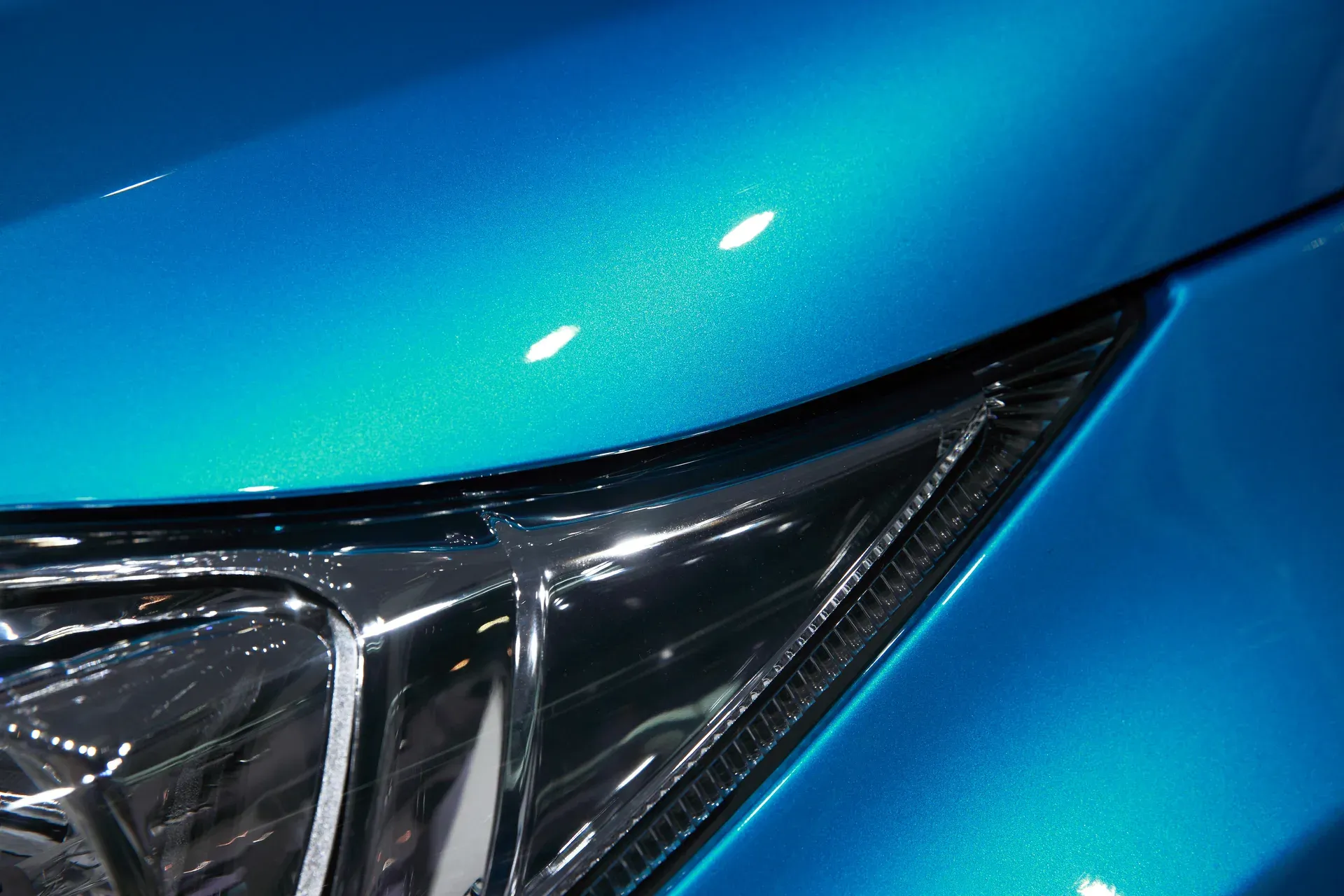
Cadillac leans heavily on three-stage color. Crystal White Tricoat and the tinted reds place a translucent layer over a base coat, and the depth of the finished panel is decided by how many passes go across that middle layer rather than by the code on the label. Get it wrong by one pass and the door reads a different color from the fender in afternoon light — which on a car like this is the only thing anyone will see.
So every layered Cadillac finish is tested first. A spray-out card is built with the same equipment and pass count planned for the panel, compared against your car under booth light and outdoors, and adjusted before anything is committed. Color is blended into the neighboring panels, the clear is laid in the downdraft booth, and the refinish carries our lifetime paint warranty in writing. Nobody buys a car like this and then accepts a door that reads warmer than the fender beside it.