Show-car finish standards on a daily driver
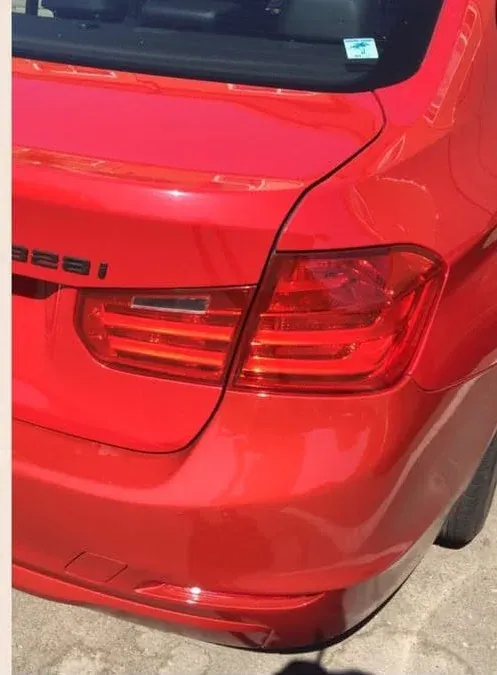
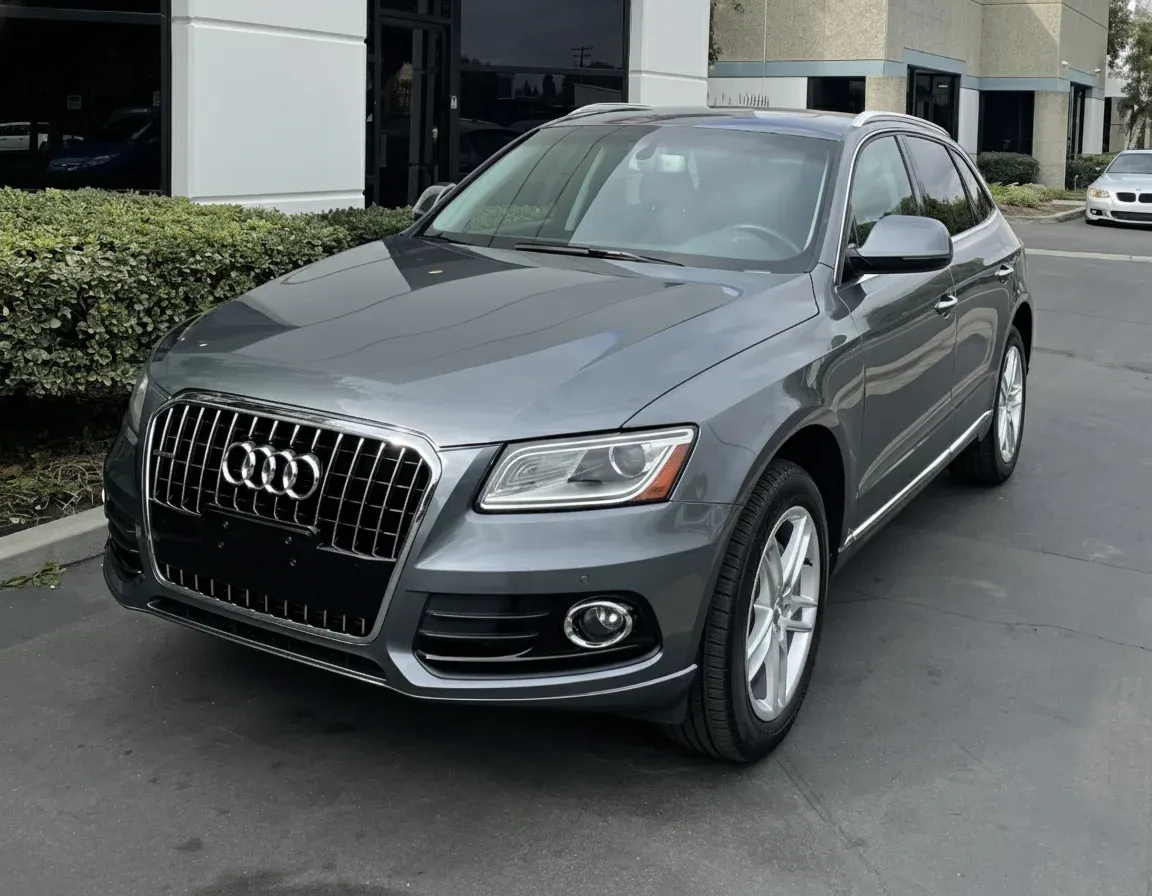
Chanhassen has an unusually good eye for paint. Between the AutoMotorPlex crowd and a town full of well-kept vehicles, people here know what a correct finish looks like from ten feet away — and they know that bumpers are where shops cut corners, because plastic is harder to match than steel and nobody expects it to be perfect. We think that expectation is the problem. A bumper is the one panel most people look at head-on every time they approach the car.
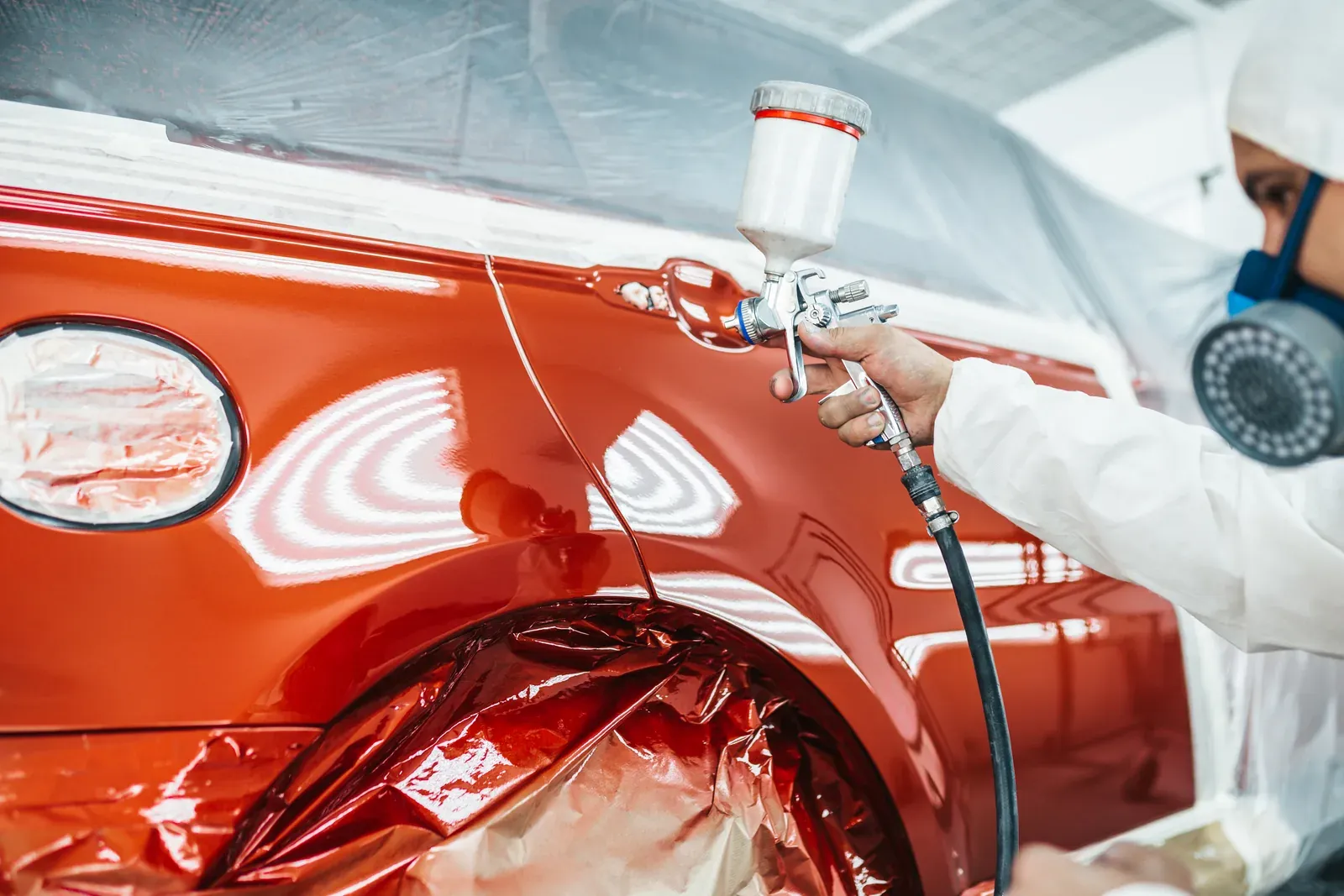
Getting here is a Highway 101 run south through Shakopee onto Highway 13, roughly twenty-five minutes from the Lake Ann side of town. Everything we spray goes through a downdraft booth against a computerized match to your factory paint code, and bumper covers are usually finished off the vehicle so the edges and returns get the same coverage as the visible face. Booth time is not cut short to free up a bay, because the shop schedules its own work.
Repair or replace, decided with the cover off
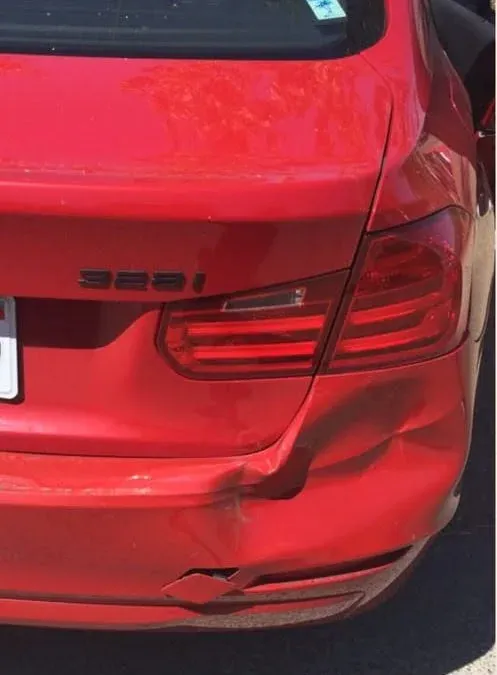
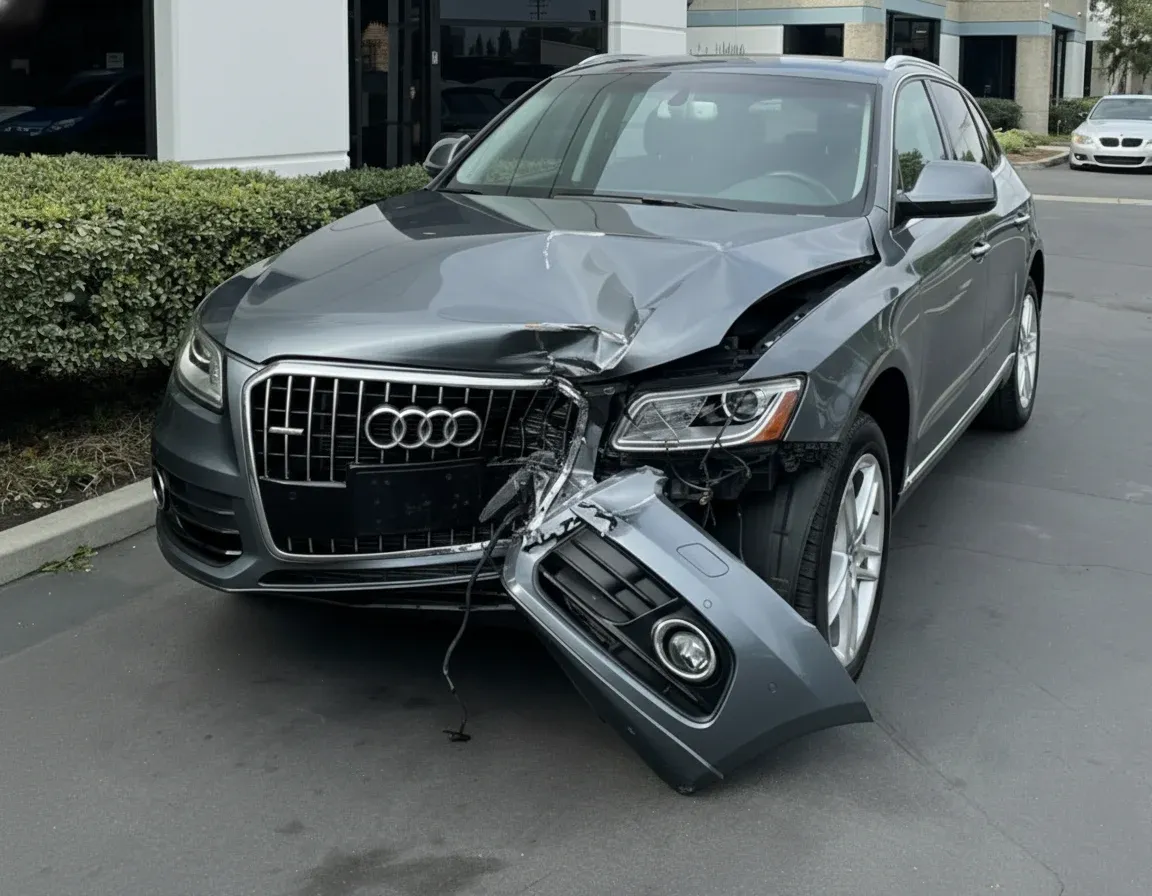
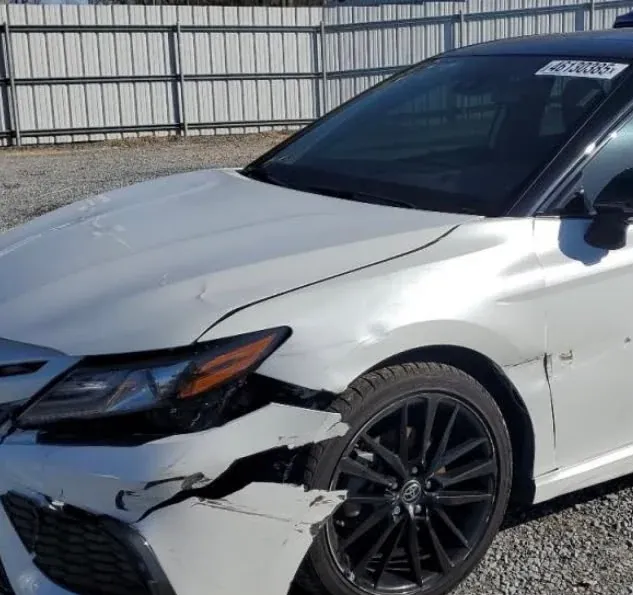
Bumper covers do their job once. The plastic flexes, the absorber behind it crushes, and the energy that would have reached the reinforcement bar stops there — which is excellent engineering and terrible news for the part. Whether it can be repaired depends on where the damage sits, not on how bad it looks in the driveway on a gray afternoon. The absorber behind it is a consumable part in every sense that matters.
Scuffs, gouges, and contained cracks generally repair and refinish well. Tears that reach an edge, crushed mounting tabs, and damaged sensor openings generally do not, and replacing the cover costs less than repairing it twice. Both routes get priced on one written estimate before anything is ordered, so the decision is yours to make with real numbers rather than a recommendation you have to take on trust. We will also say when the two numbers are close enough that either answer is defensible.
Sensors, OEM parts, and the warranty
Modern covers hold park assist sensors, corner radar modules, and camera housings, and all of it transfers to the repaired or replacement part at the position the factory specified, then gets function-checked before the vehicle is released. Systems that need a formal recalibration get one. A sensor that reads slightly wrong is more dangerous than a sensor that plainly does not work. Sensor bores on a factory cover are molded to the correct depth and angle from the start.
Replacement parts come under our OEM parts promise, and both the refinish and the installation are warranted for as long as you own the vehicle. Riaz has owned this shop since 2010 and writes the estimates himself, which is the practical reason those warranties mean something — there is one person to call, and he is at the same address he has always been. The estimate you receive is written by the person who will look at the finished car.