Ramp pillars, tight entrances, and bumper corners
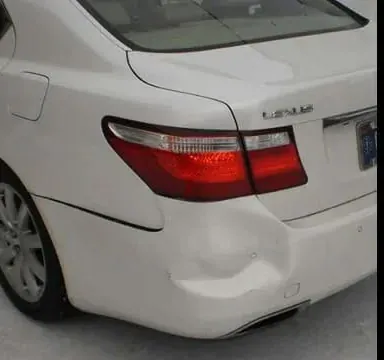
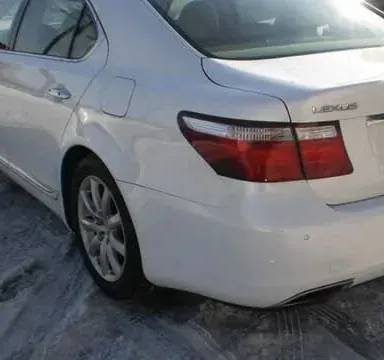
Bloomington has more structured parking than any city on this side of the river, and structured parking is unkind to bumpers. Ramp pillars sit exactly where a front corner swings on a tight turn, entrance thresholds catch low valances on the way in, and the columns near the elevators collect paint from a hundred different cars. None of it is a collision, and all of it lands on a cover. Front air dams on lower-riding sedans catch the same thresholds on the way back out.
From West Bloomington the shop is closer than most of the collision chains clustered around 494 — US 169 south across the Bloomington Ferry Bridge, then Highway 13, under twenty minutes from the Hyland or Normandale side of town. Send photos first and the estimate meets you here instead of the other way around, which saves the second trip most shops build into the process. The Ferry Bridge route also avoids the 494 interchange entirely, which matters more at five o’clock.
The three layers behind a bumper cover
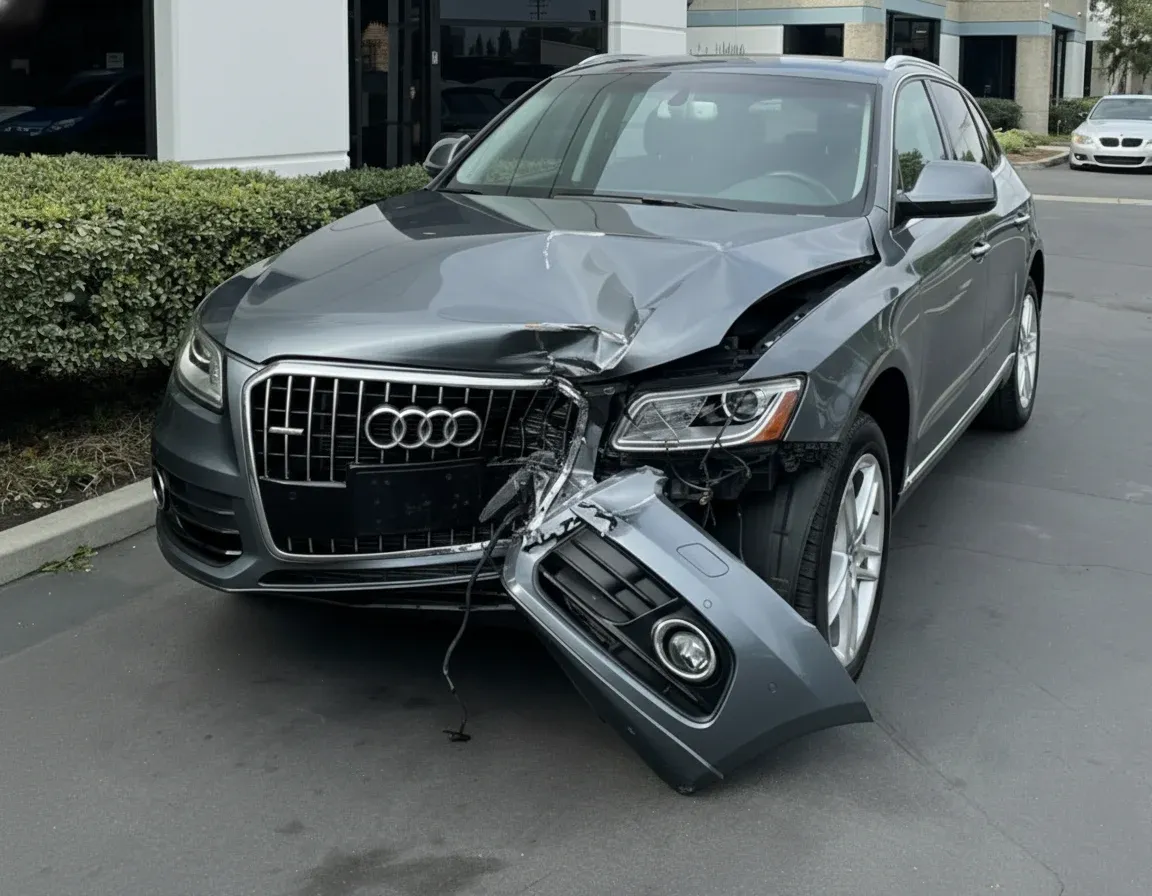
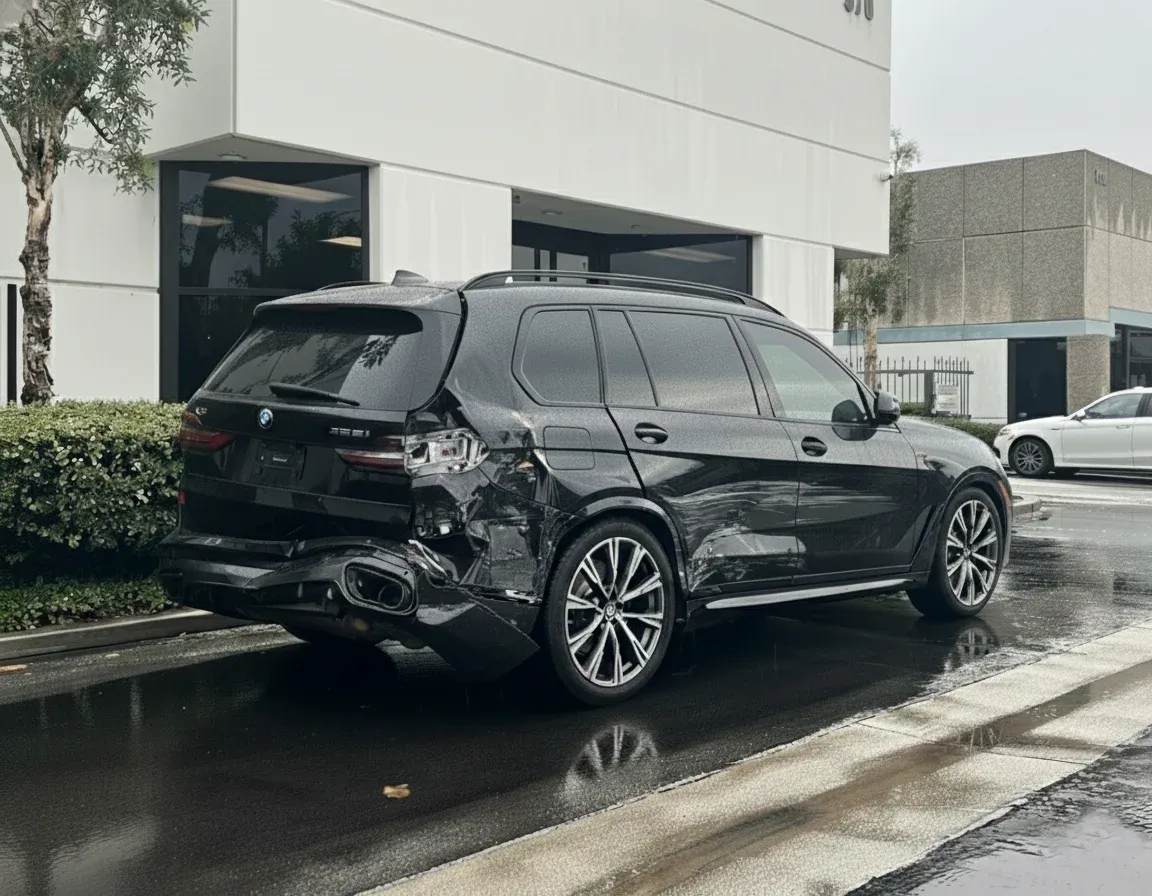
Understanding what is under the plastic makes the repair conversation shorter. A modern bumper is a painted cover, an energy absorber behind it, and a reinforcement bar bolted to the vehicle structure. In a ramp-speed scrape the cover takes everything and the rest is untouched. In a firmer hit, the absorber crushes on purpose and stops being useful, whatever the cover looks like from outside.
The estimate depends on which of those layers moved, and that is not a question a photograph can settle. So the cover comes off, everything behind it is inspected and photographed, and the written estimate reflects what is actually there. If your insurance company already wrote a number from images, we file the supplement with the documentation attached, which is routine here rather than a fight. A photo-written estimate is a starting point, and every insurance company we work with expects that.
Sensors back to factory position
Bloomington drivers tend to own newer vehicles, which means bumper covers full of electronics: park assist sensors across the lower face, blind-spot radar in the rear corners, a camera and washer nozzle up front on many models. Every one of them has a specified location and angle, and none of them tolerate being close enough. A park sensor mounted a few degrees off will read a curb as an obstacle and miss a low bollard entirely.
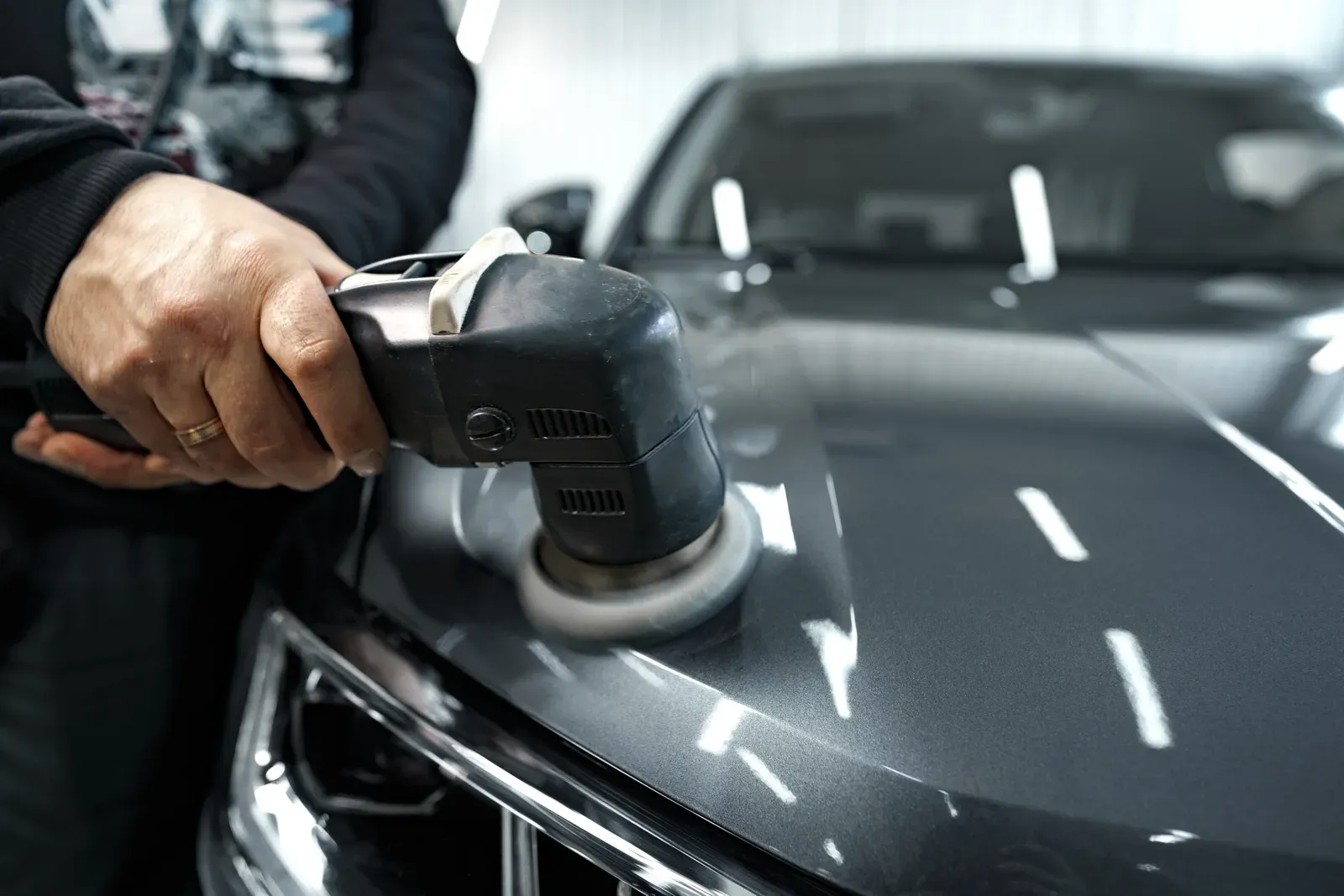
So sensors are transferred to the repaired or replacement cover, reinstalled to factory position, and function-checked before the car is released. Where a model calls for a formal recalibration, that is part of the job rather than a line item added later. The rest is finish work: matched to your paint code, blended into the panels beside it, warranted for life. Newer vehicles also carry more expensive covers, which makes the repair-or-replace call worth doing carefully.