BMW bodies mix materials, and mixed materials mix joining methods
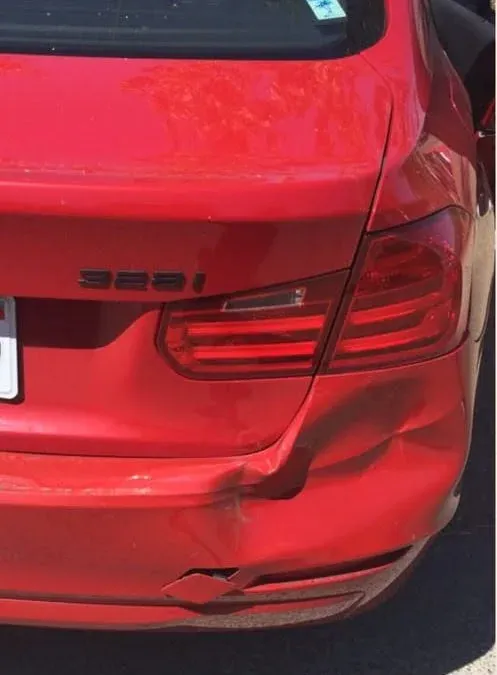
A modern BMW is not one material. Aluminum shows up in front-end structures, hoods, fenders and doors depending on model; hot-formed steel carries the passenger cell; and on the 7 Series and current 5 Series BMW added carbon fiber reinforced plastic into parts of the cabin structure under the Carbon Core name. Each of those materials joins differently — welded, riveted, bonded, or in the case of carbon, not repaired at all outside BMW’s defined limits.
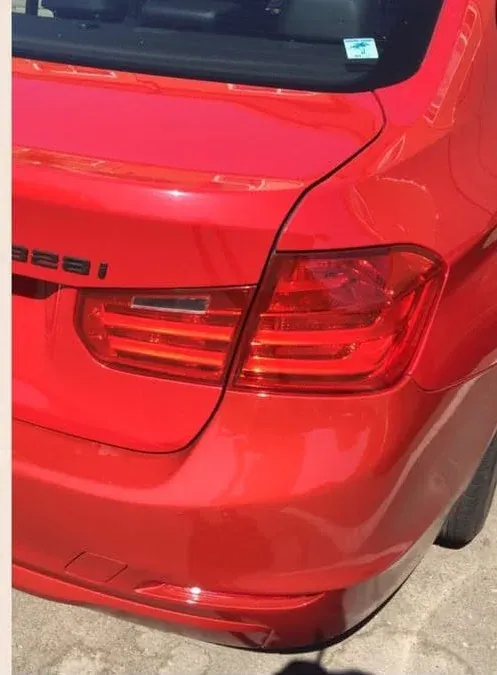
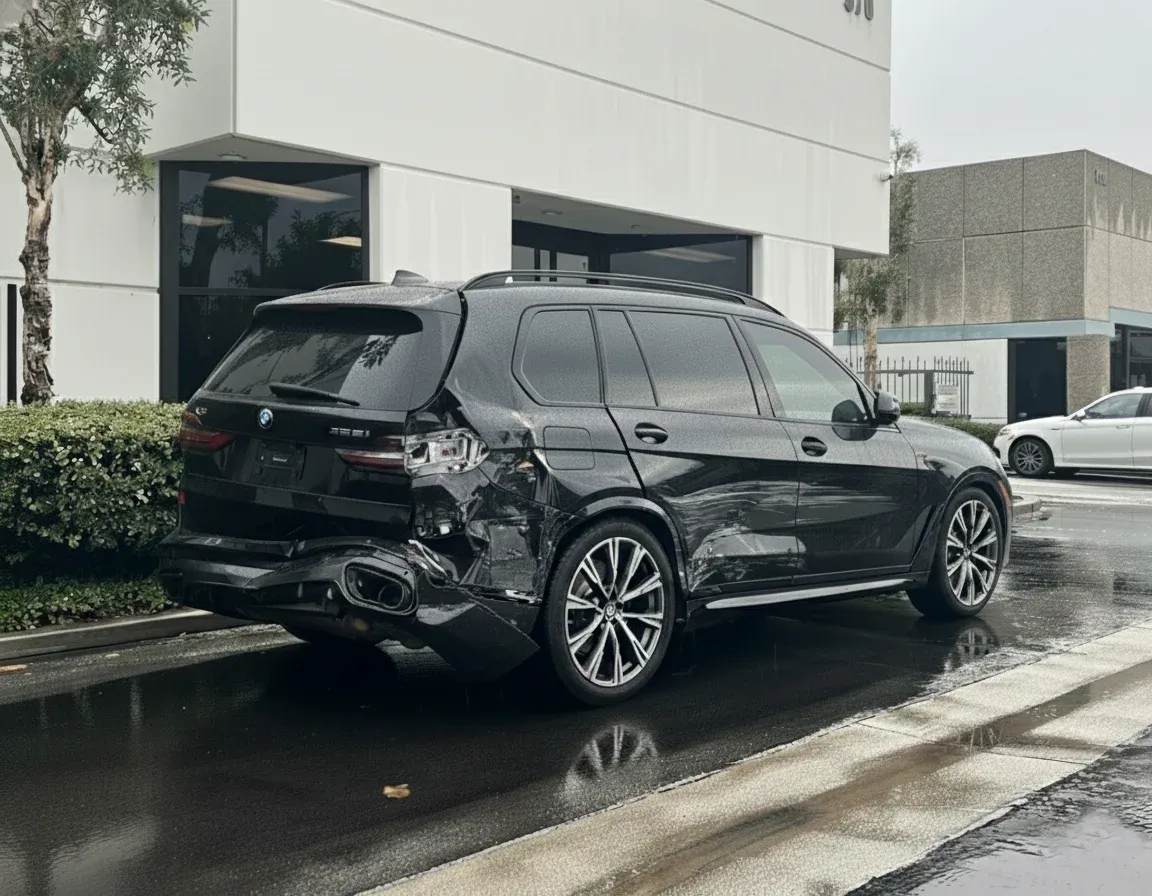
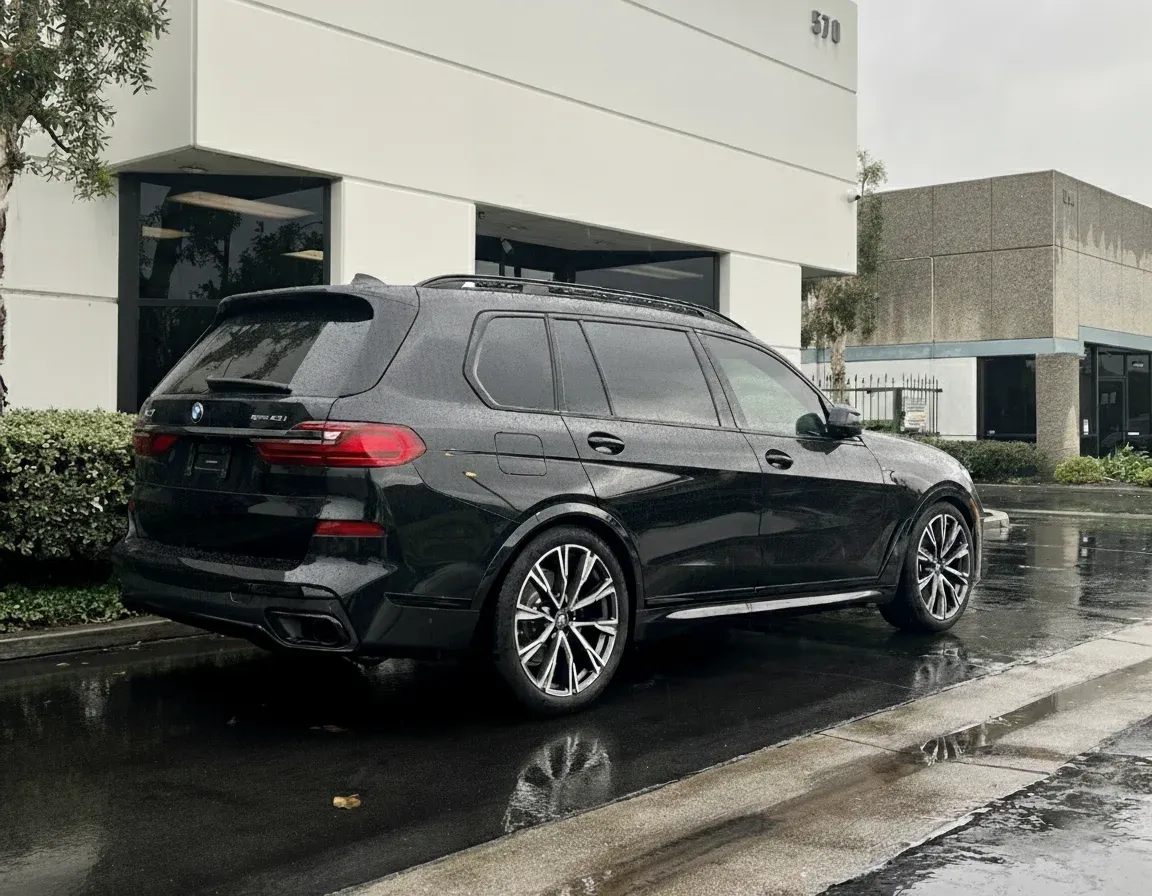
That is why a BMW estimate written off a photograph is close to meaningless. We tear the vehicle down, identify what each damaged member actually is, and check BMW’s procedure for that part before quoting anything. Structural readings are taken on the laser system before and after the work, and the documentation goes to your insurance company as the justification for what the repair actually requires. BMW estimates get pushed back on more than most, and photographs of the actual damaged member are what settle those conversations.
Driver assistance sensors behind the kidney grille
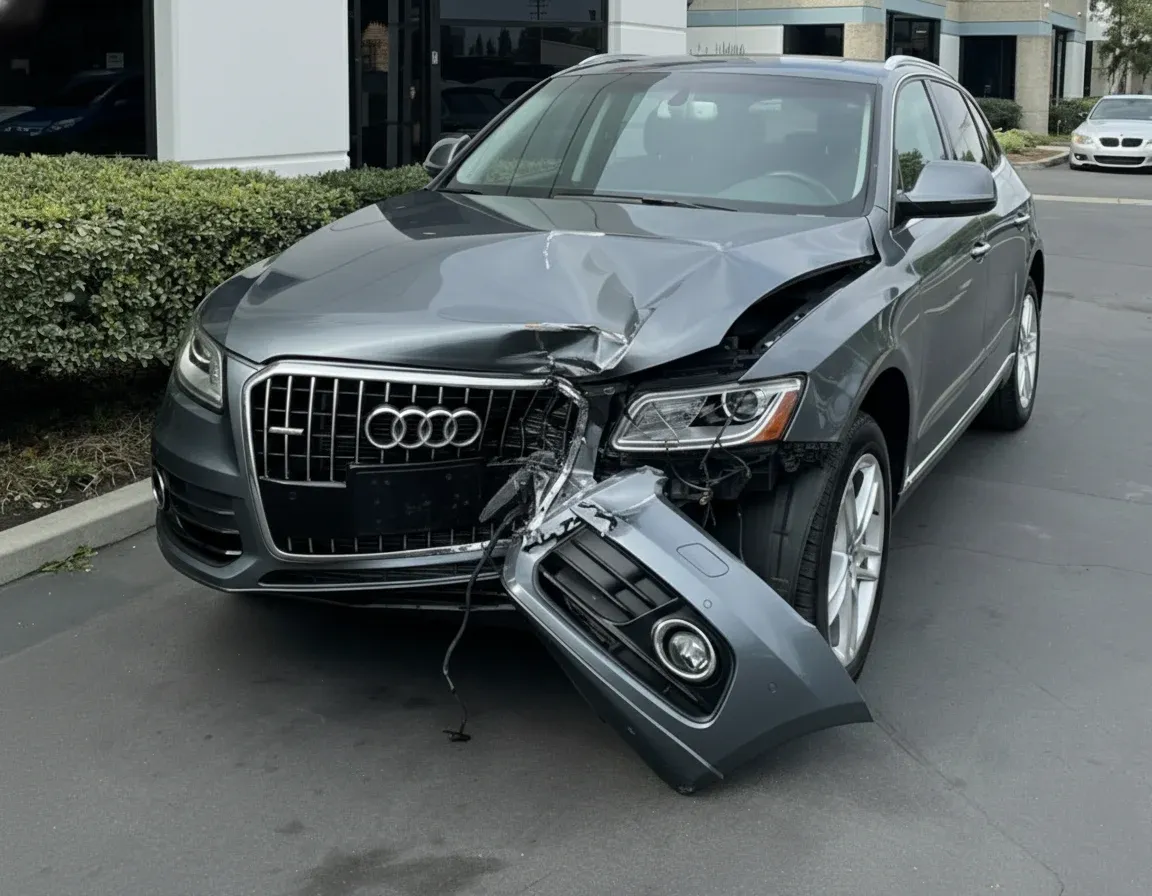
BMW’s active driving assistant relies on a camera behind the windshield near the mirror and a forward radar mounted low in the front fascia or behind the kidney grille, with additional sensors at the rear corners for lane change warning. A front-end hit that looks like a cracked bumper cover and a scuffed grille has, in practice, moved at least one of those sensors out of the position it was aimed in.
Every BMW that comes in is scanned before teardown so the fault history is recorded, and again after reassembly so nothing is left stored. Where BMW publishes a calibration for the work performed, it is carried out to that procedure, and the car is road tested to confirm the systems arm normally. Genuine BMW parts are specified for any panel a sensor reads through. A radar reading twenty feet short does not announce that it is doing so, which is the entire argument for checking rather than assuming.
- Teardown-first estimate with each damaged member identified by material
- Laser measurement against BMW dimensions before and after structural work
- Forward camera and radar addressed after windshield, grille or fascia work
- Genuine BMW parts specified where a camera or radar reads through a panel
Frozen finishes, Alpine White and BMW color work
BMW’s Frozen finishes — the matte paints that turn up on M cars and BMW Individual builds — behave nothing like a normal clearcoat. They cannot be polished, buffed or compounded to fix a defect, because the flat appearance comes from the surface texture of the clear itself and any polishing puts a shine in it that will not come out. Repairing one means refinishing the panel, not correcting it.
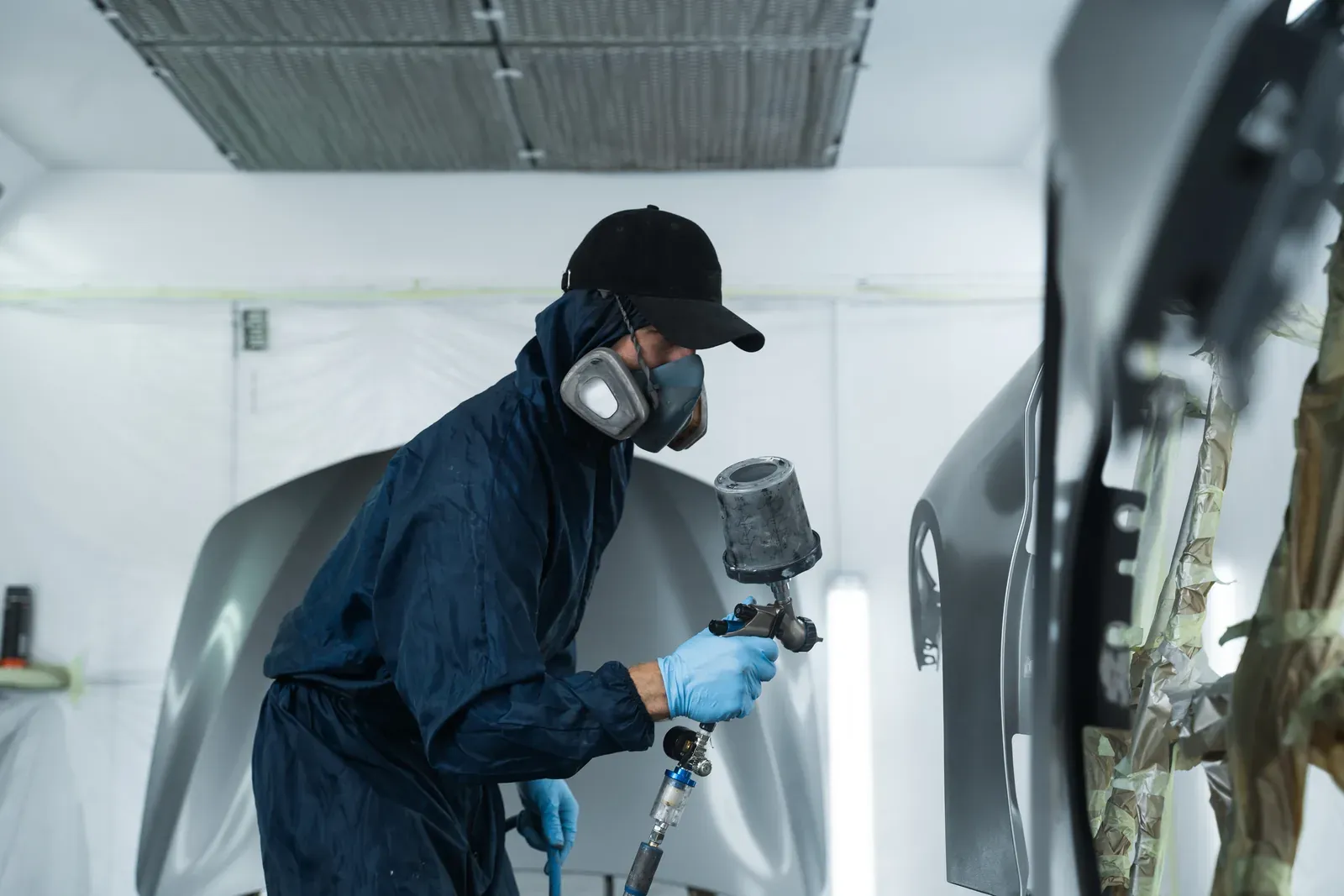
The gloss colors have their own problems. Alpine White is an unforgiving solid where every ripple in a repaired panel shows, and BMW’s darker metallics need blending across adjacent panels rather than a hard edge at the door gap. We build a spray-out card, check it in booth light and in daylight, and blend the color out. Every refinish carries our lifetime paint warranty in writing. That warranty sits on the paperwork rather than on a handshake.