Shakopee to the booth in under twenty minutes
Southbridge sits five minutes from us; Canterbury Park and the historic downtown are closer to fifteen, and even the Valleyfair end of town lands under twenty. County Road 16 runs practically door to door, which is why Shakopee makes up a steady share of the cars in our booth. There is no river crossing and no freeway merge involved — it is a straight suburban run east. Drivers from the Southbridge side sometimes drop a car in the morning and are back at a desk in Shakopee before nine.
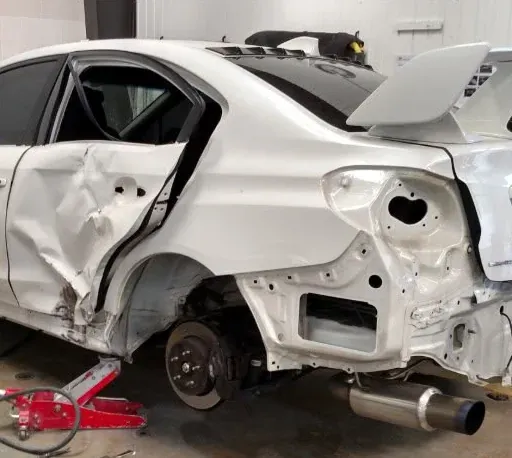
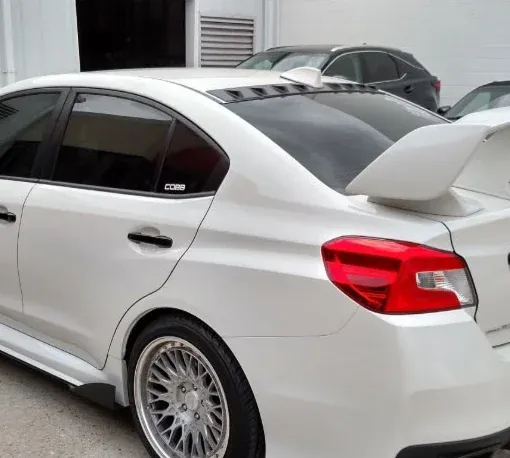
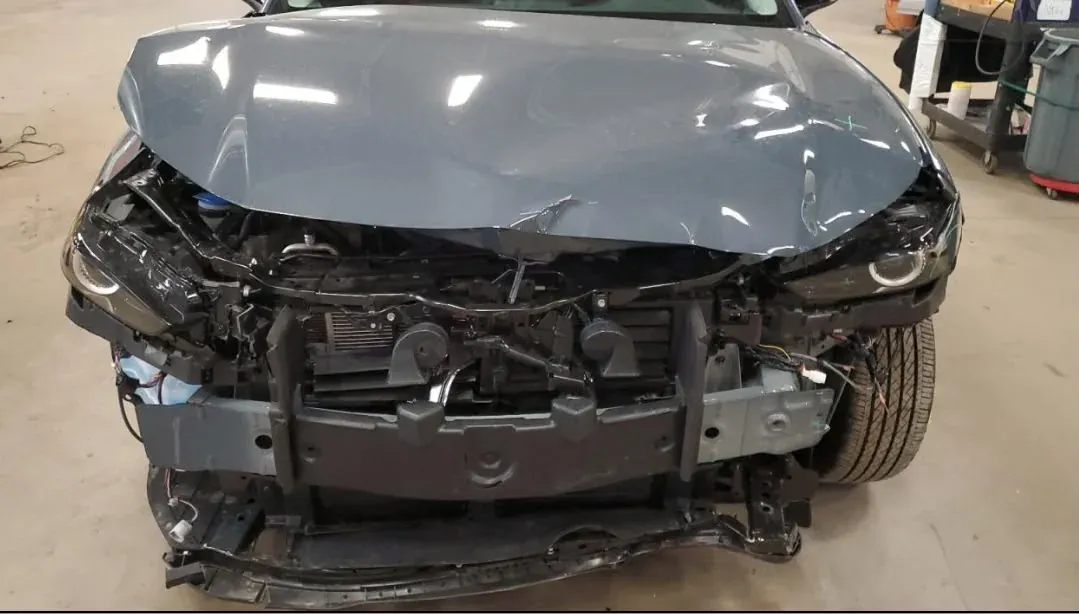
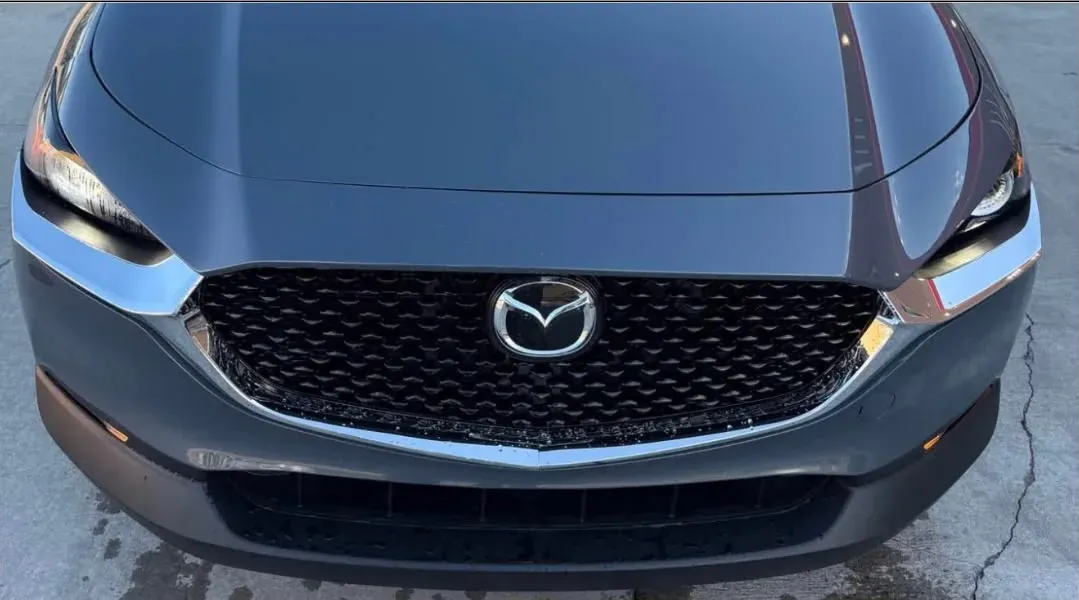
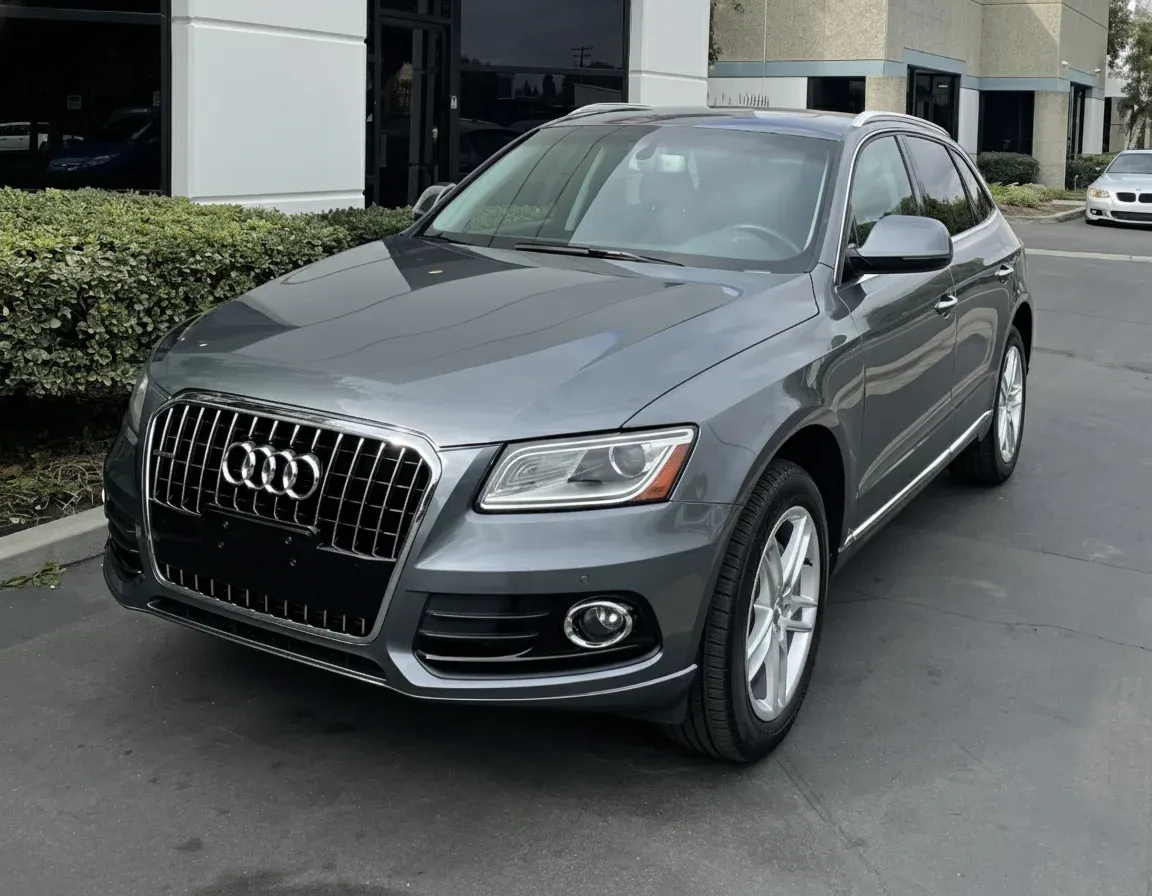
The paint work that arrives from Shakopee skews toward color-critical repairs: silver and gray metallics on commuter sedans, pearl whites on family SUVs, and the occasional deep tri-coat red. Those are the finishes that expose a lazy match, because the flake and the mid-coat do as much of the work as the pigment does. They are also the ones our reviews mention by name.
Why metallic and pearl colors are the hard ones
A solid color is pigment and clear; a metallic adds aluminum flake, and a pearl adds a translucent mid-coat over a ground color. In both cases the shade you see depends on how the flake lies down when it hits the panel, which is set by gun distance, air pressure, and how many coats went on. Two painters can spray the identical formula and land on visibly different colors. Matching a metallic is a craft question before it is ever a chemistry question.
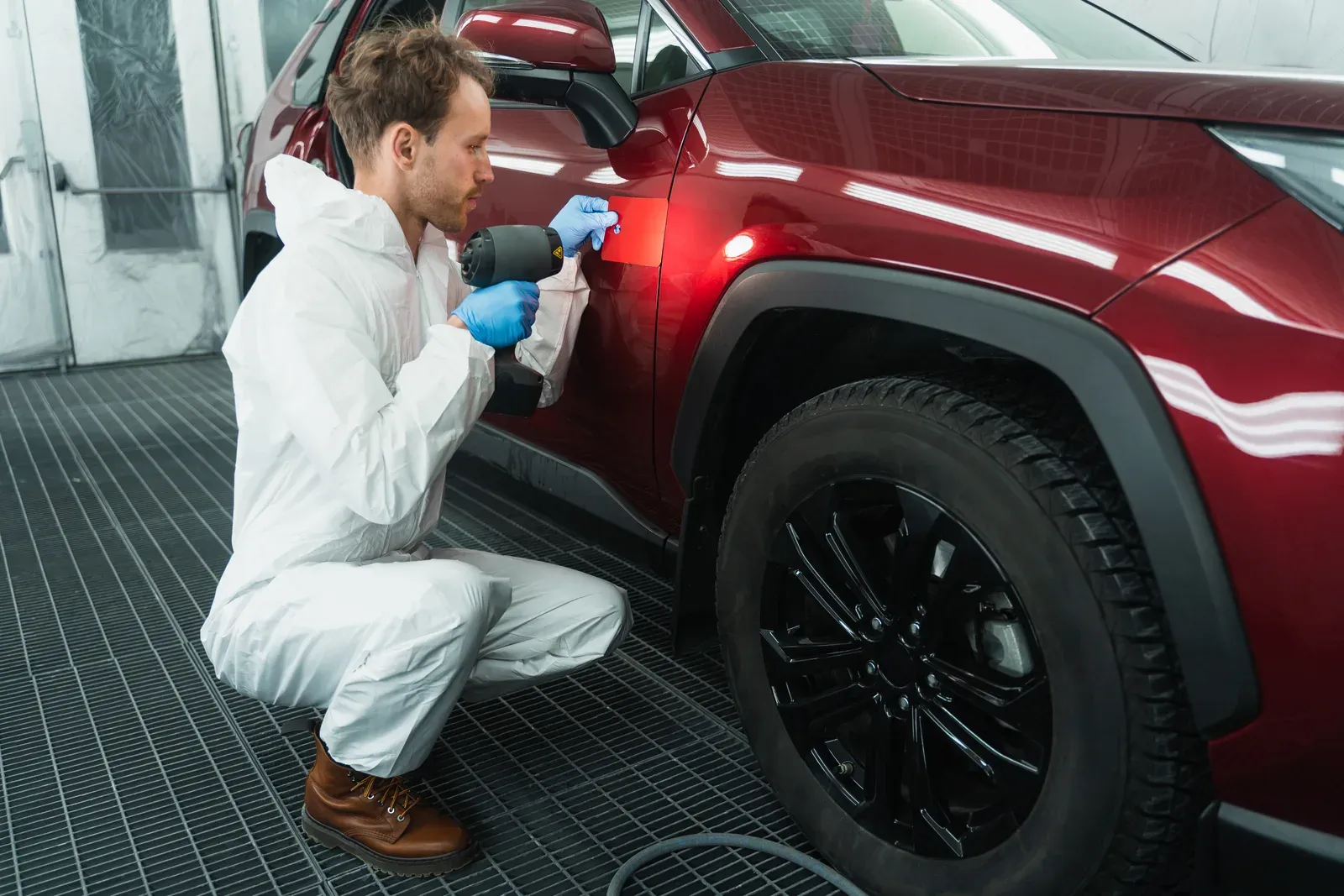
That is why the mix alone is never the answer here. We spray a test card with the same gun setup and the same coat count the panel will get, let it flash and dry, then hold it against your car in daylight and under booth light. If it reads cool, warm, or light, the formula gets tinted and the next card goes up. The car stays untouched until a card matches.
- Factory code pulled, then the panel measured with computerized color matching
- Test card sprayed at the same pressure and coat count as the repair
- Card checked against the car in daylight, not only under shop lights
- Formula tinted and re-sprayed until the card disappears against the panel
Blending is part of the match, not an upgrade
Even a card that matches perfectly can show an edge if the new color stops at a panel gap, because the eye is very good at finding a straight line where the flake orientation changes. Blending fades the basecoat out into the panels either side and carries the clearcoat across the whole area, so there is nothing abrupt for light to catch as it moves down the car.
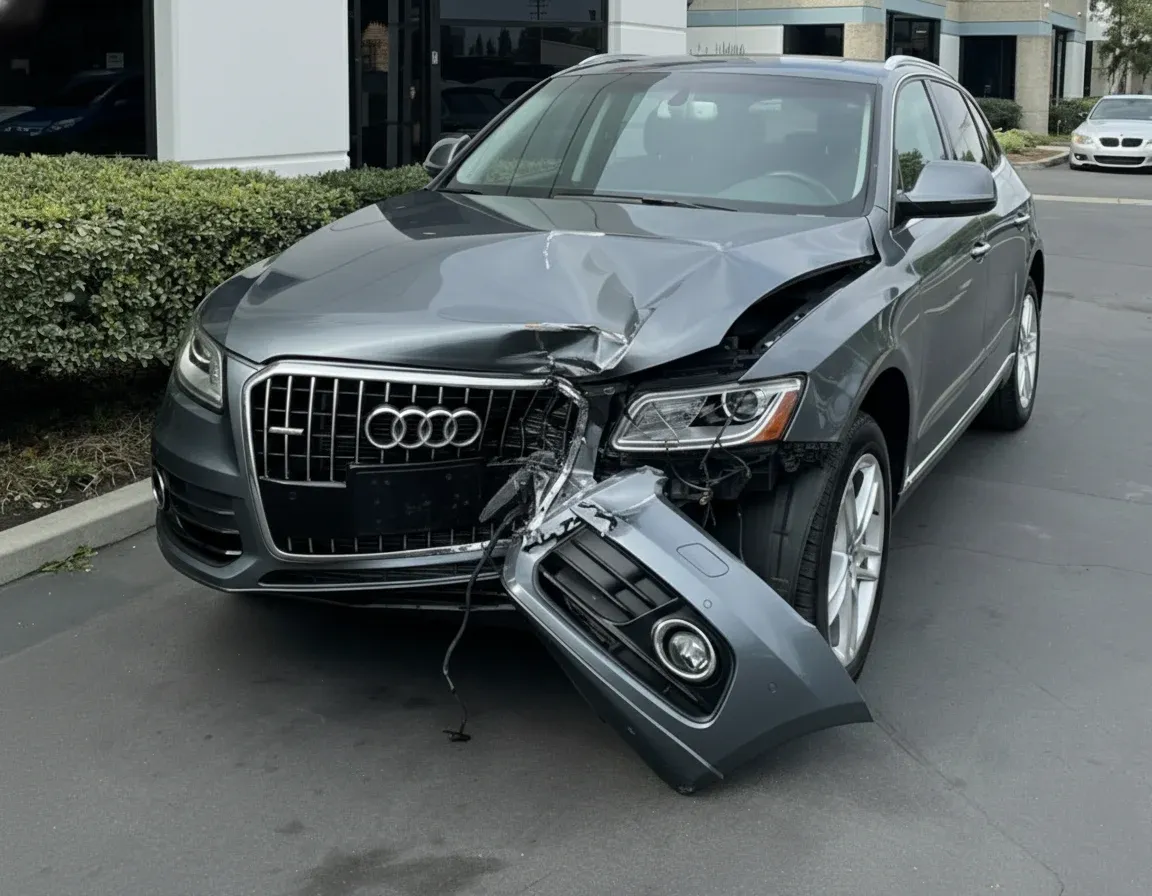
On a Shakopee daily driver that usually means the repaired fender plus part of the door, or a bumper cover blended into both quarter panels. We refinish full panels rather than patching a section for the same reason, and the result carries a lifetime warranty for as long as the vehicle is yours. Every insurance company is accepted if the damage is part of a claim. On a silver or a pearl, expect the blend to reach further than you would guess — the estimate says so up front rather than at pickup.