Half an hour south on 169
Ridgedale, Shady Oak, Opus, and Minnetonka Mills all feed onto US 169, which runs south through Eden Prairie, crosses the Minnesota River, and meets Highway 13 near our shop — twenty-three to thirty minutes in normal traffic. Minnetonka has closer options and we will not pretend otherwise. What it does not have is a shop that has held 5.0 across more than 110 Google reviews. That record is the only real reason to drive south past Eden Prairie, and we know it.
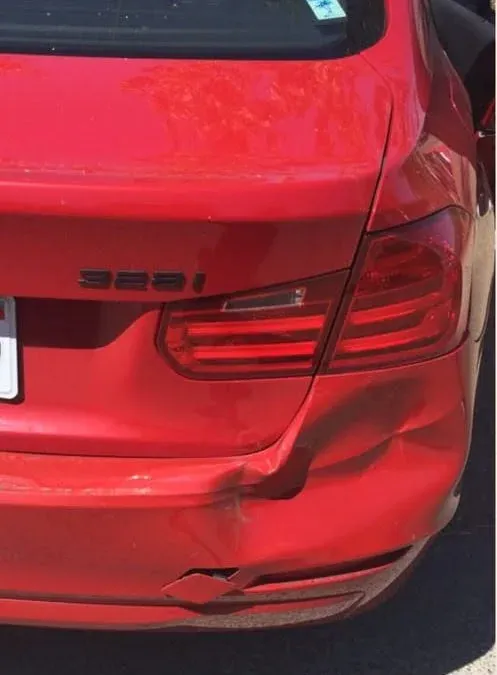
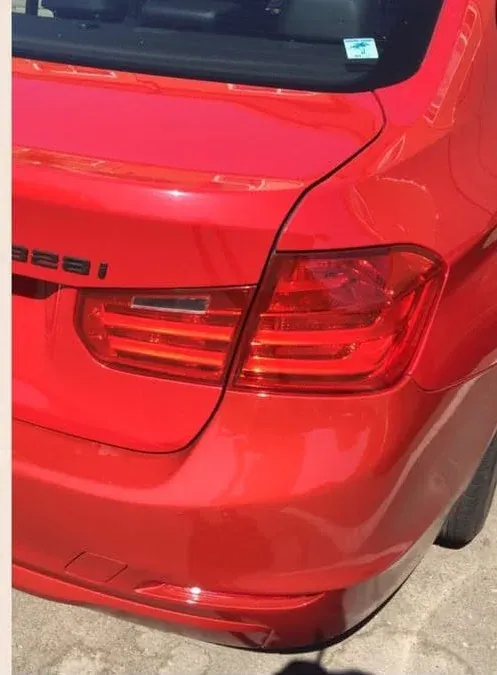
A good share of the Minnetonka cars in our booth are second attempts. Somebody had a fender done quickly, lived with it through one summer, and finally got tired of seeing it every time they walked up to the car. Redoing another shop’s paint is not the most flattering work to advertise, but it is honest work, and it is a large part of why people drive past three shops to get here.
What a bad repaint actually looks like
The tells are consistent. A panel that reads half a shade off in sunlight and fine under fluorescent lights. A hard line at a door gap where the new color stopped instead of blending. Overspray dusted into a jamb, a wheel arch, or the rubber around the glass. Sheen that is glassier or flatter than the panels beside it, so light changes speed as it crosses the car.
Every one of those comes from a step that was skipped rather than a formula that was wrong. Blending takes material and time; removing trim takes longer than taping around it; verifying color on a card costs an extra half hour before masking. A shop working to a schedule finds those minutes by not spending them, and the car carries the result for years afterward. None of it is exotic knowledge; it is simply work that has to be paid for in time.
- Color that reads a half-shade off in daylight but fine indoors
- A hard edge at a panel gap where the blend should have been
- Overspray in the door jambs, wheel arches, or window rubber
- Sheen or texture that changes as light crosses the repair
Putting a previous repaint right
Redoing one starts with finding out what is under it, because a second coating over a failing first one fails twice. The existing refinish is sanded back, checked for adhesion and edge lifting, sealed where necessary, and rebuilt from primer up. Then the color is measured off the panels the previous shop never touched, so the match points at your original factory paint rather than at somebody else’s attempt. If filler was used where metal work was needed, that comes out too, and it gets photographed before it does.
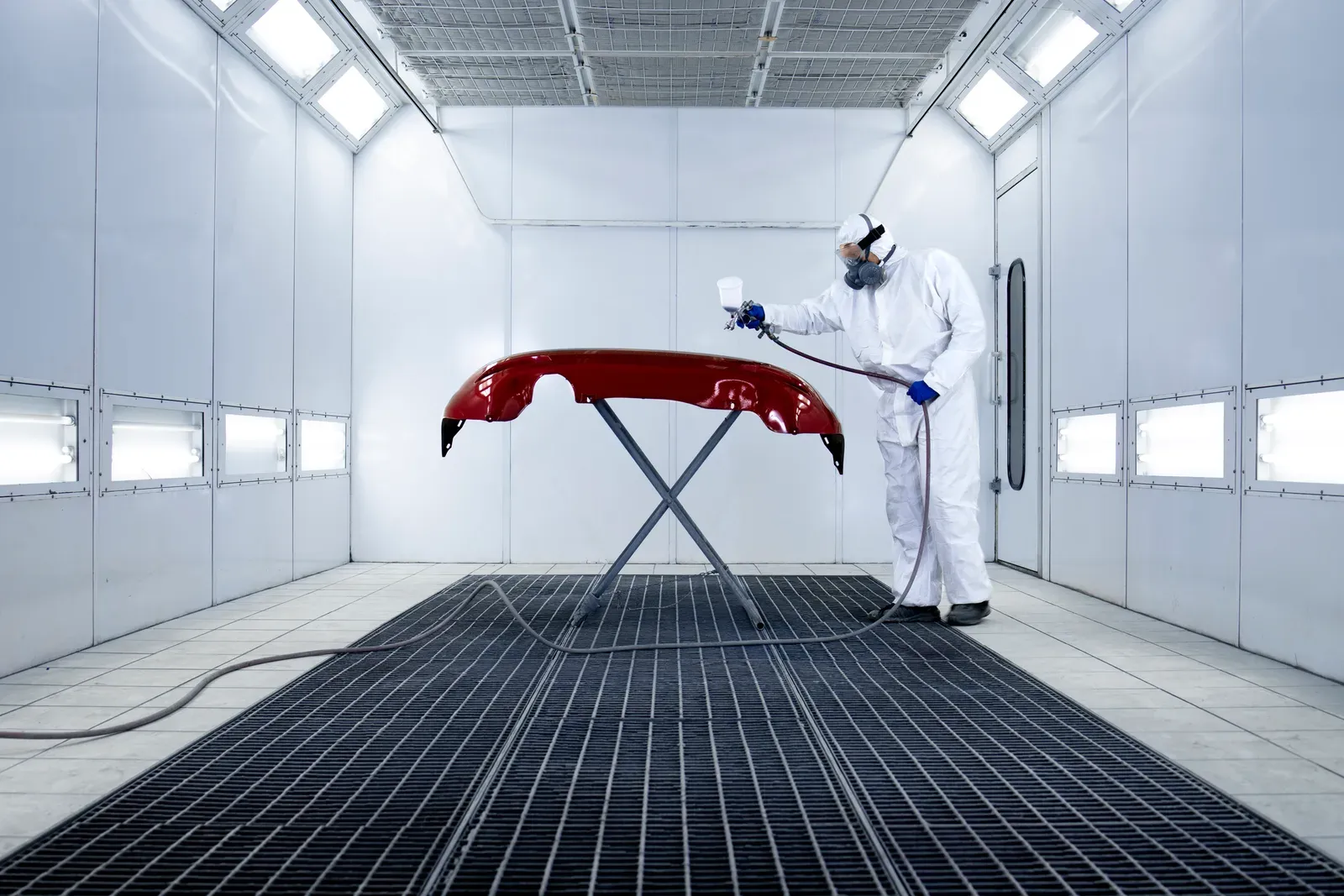
From there it is the normal process — test card, full-panel basecoat, blend into the adjacent panels, clear across the entire area in the downdraft booth, then finishing work so the texture matches. Our refinish work is warranted for as long as you own the vehicle. Send photos of the panel that is bothering you and the written estimate comes back within 24 hours.