Twenty minutes south of 50th & France
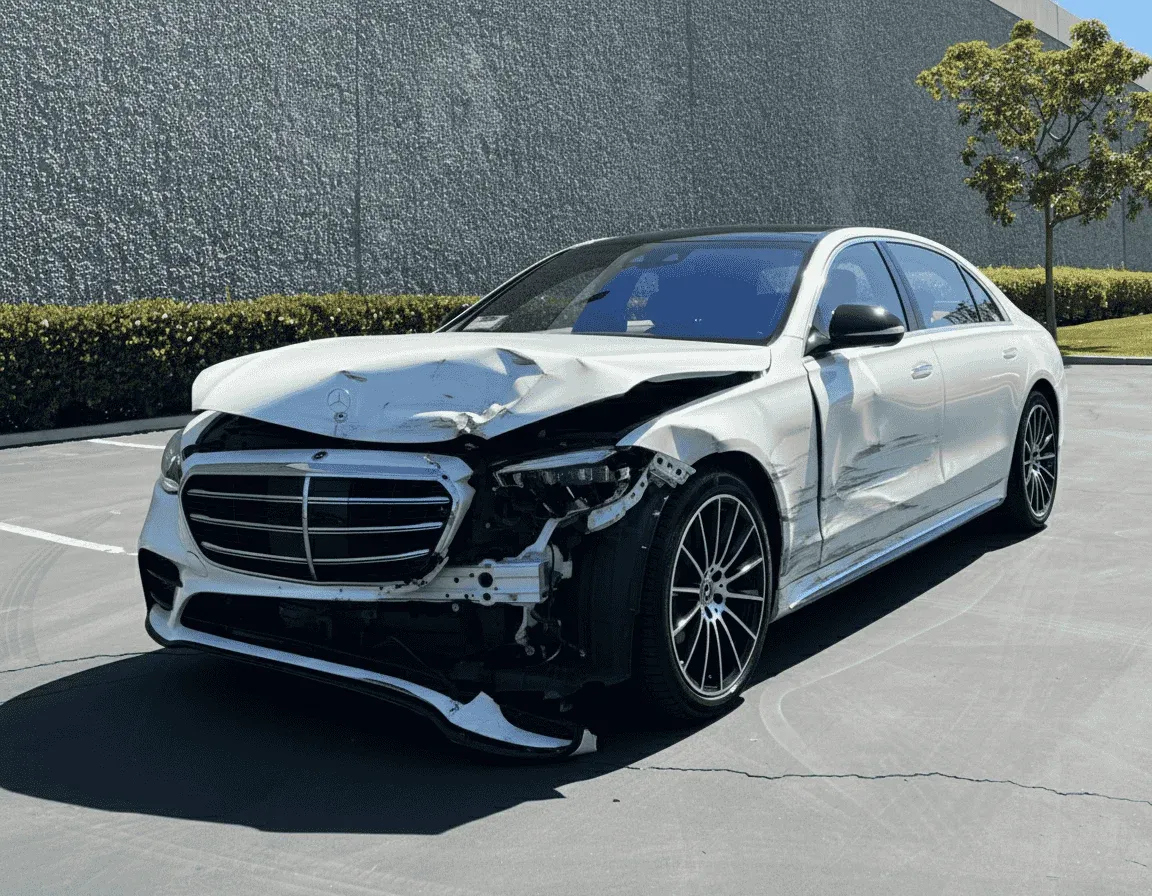
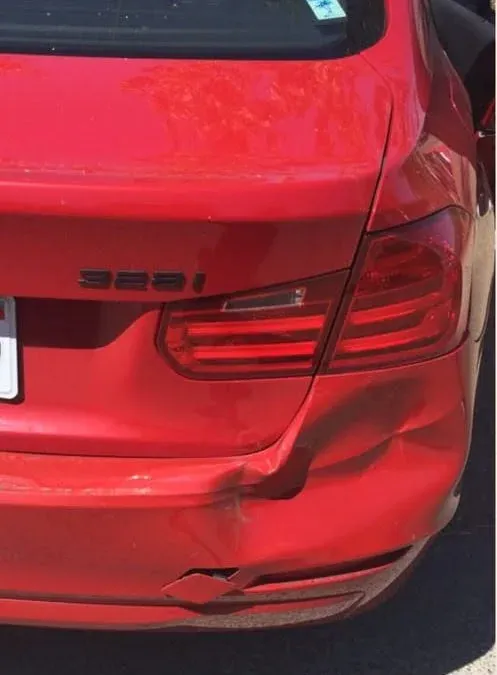
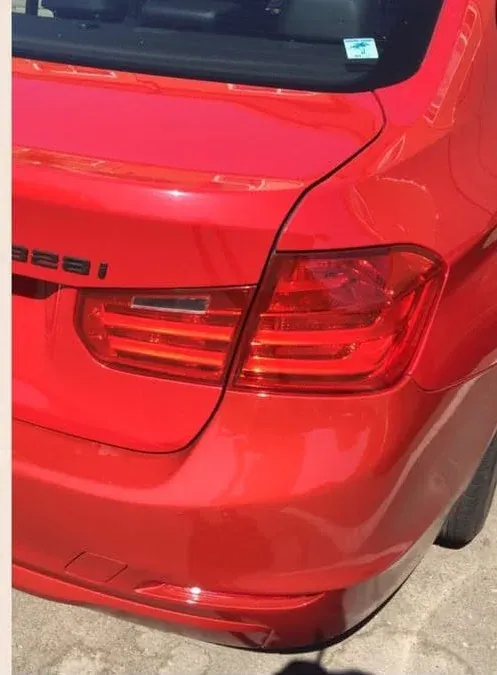
There is no collision shop within Edina’s borders, so every repair here is already a drive; the question is only which direction. Highway 100 or France Avenue down to I-494, then US 169 or I-35W south to Highway 13, puts you at West 125th Street in eighteen to twenty-five minutes from Southdale, Braemar, or the Country Club district. Most of the Edina work we see is color-critical rather than structural.
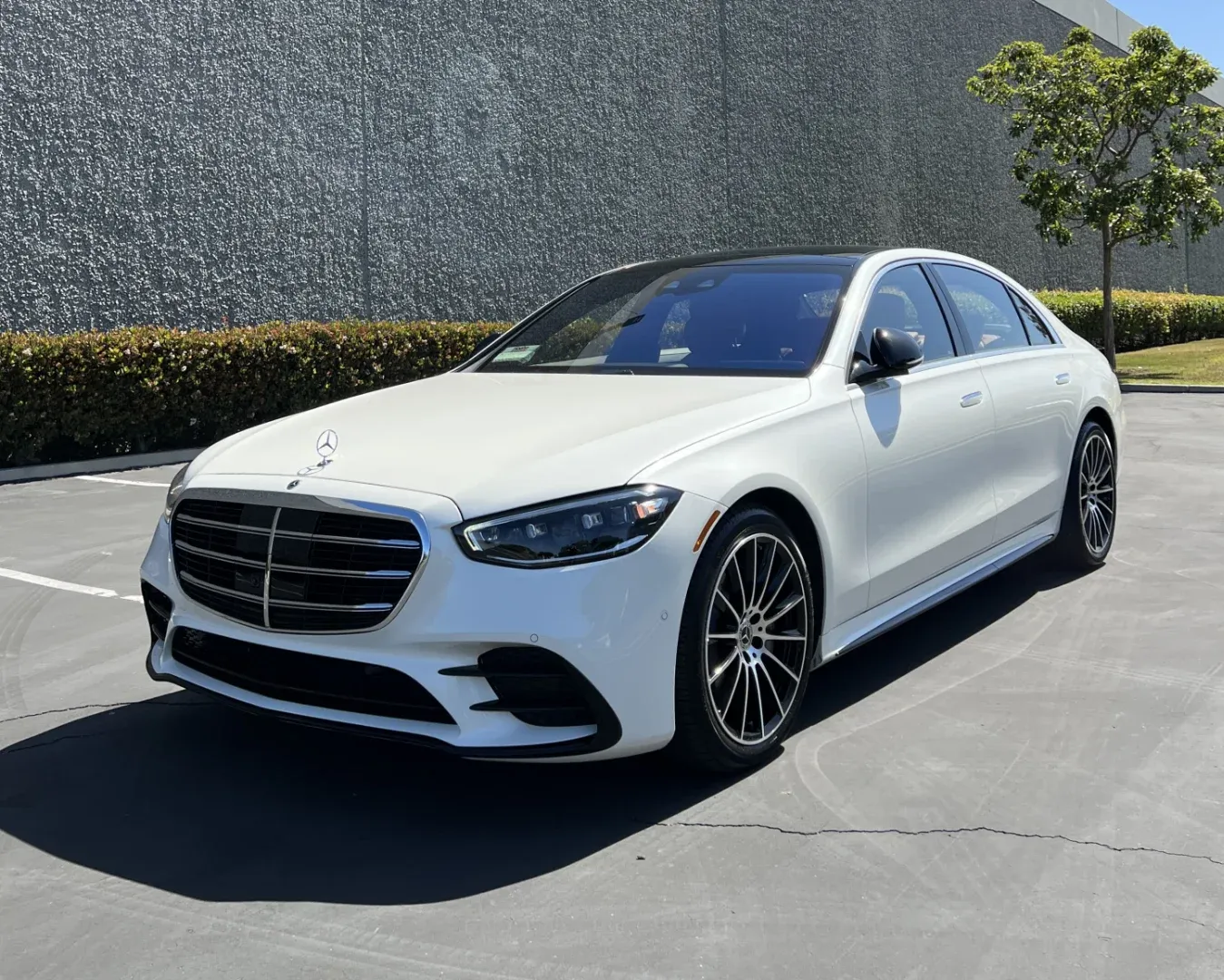
That is the pattern: German metallics, deep blacks, lease returns from the dealerships along the 494 strip, and cars whose owners will notice a half-shade difference from across a parking lot. Those are fair expectations to have. They are also the reason the color process here runs through a measured reading and a sprayed card rather than a formula printout, and nothing gets masked until a card disappears against the panel.
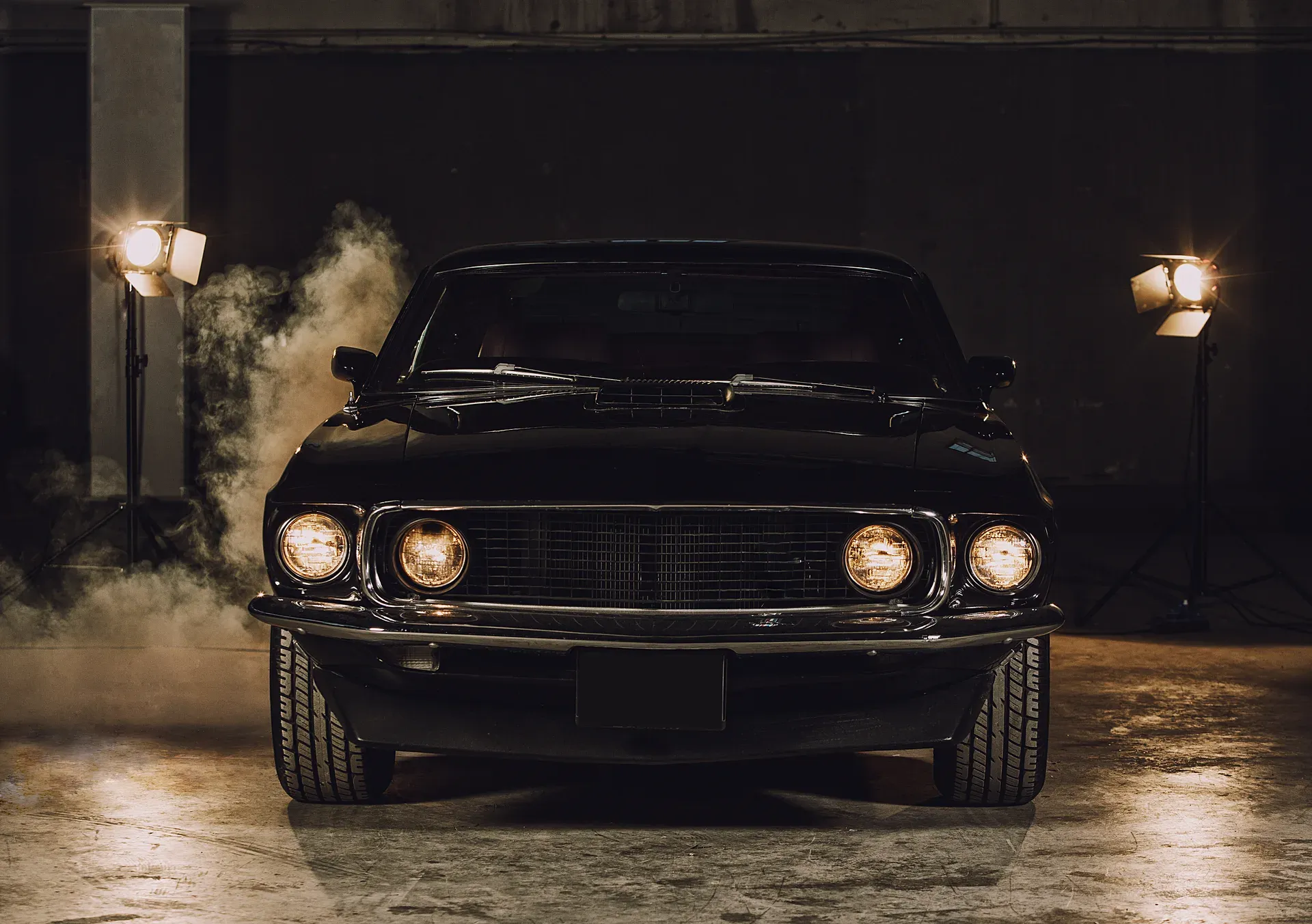
Dark metallics show every shortcut
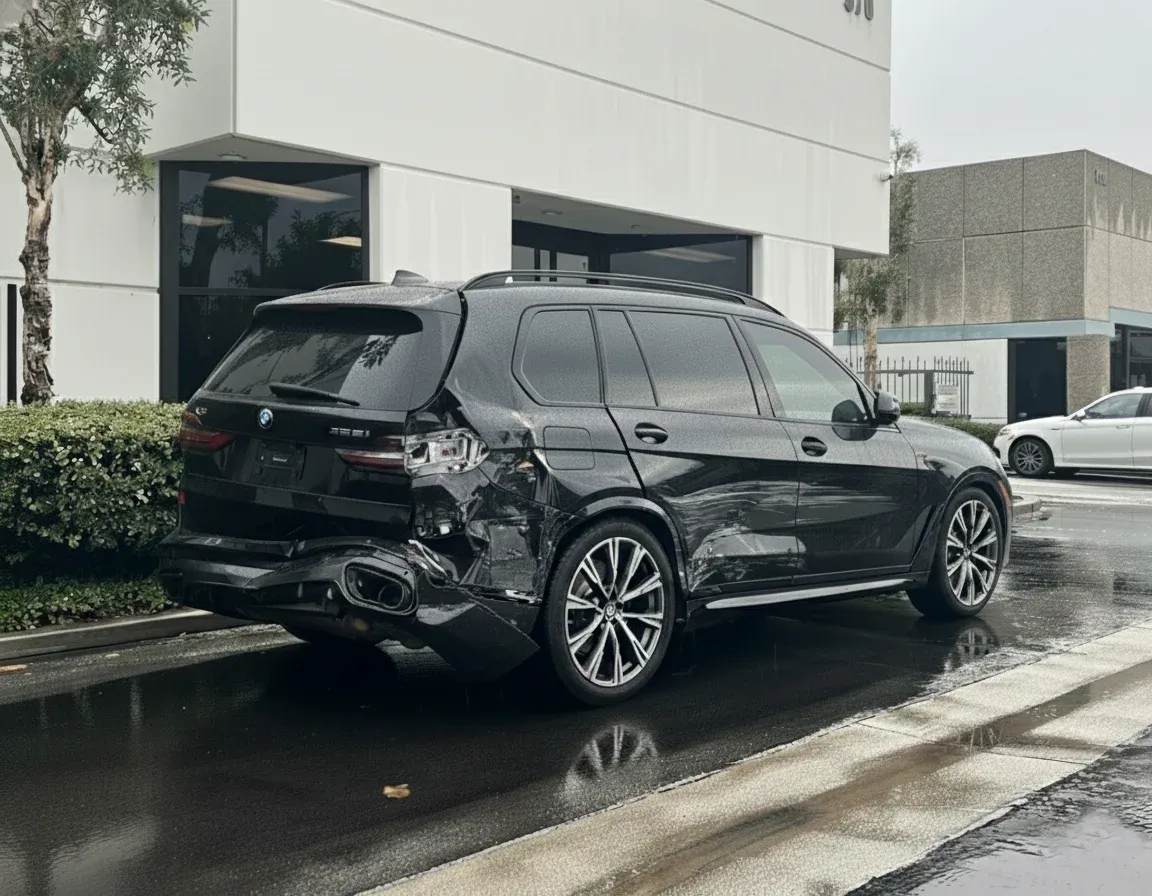
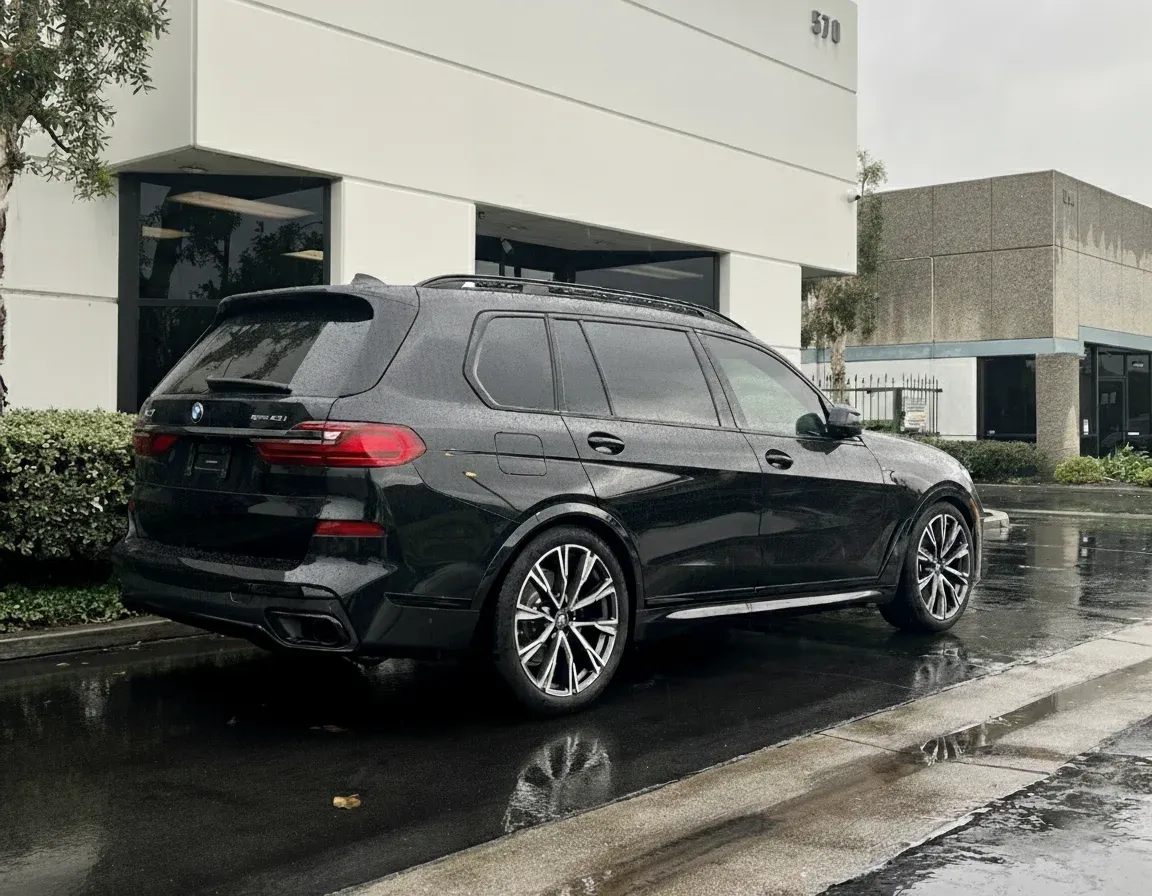
Black, deep blue, and gunmetal are the least forgiving finishes on the road. They reflect their surroundings, which means the surface itself is on display: any texture in the clear, any dust nib, any dry edge where a blend ran out of material reads instantly under a showroom light or a low sun. Lighter colors hide all of it, so a dark car is the honest test of a booth.
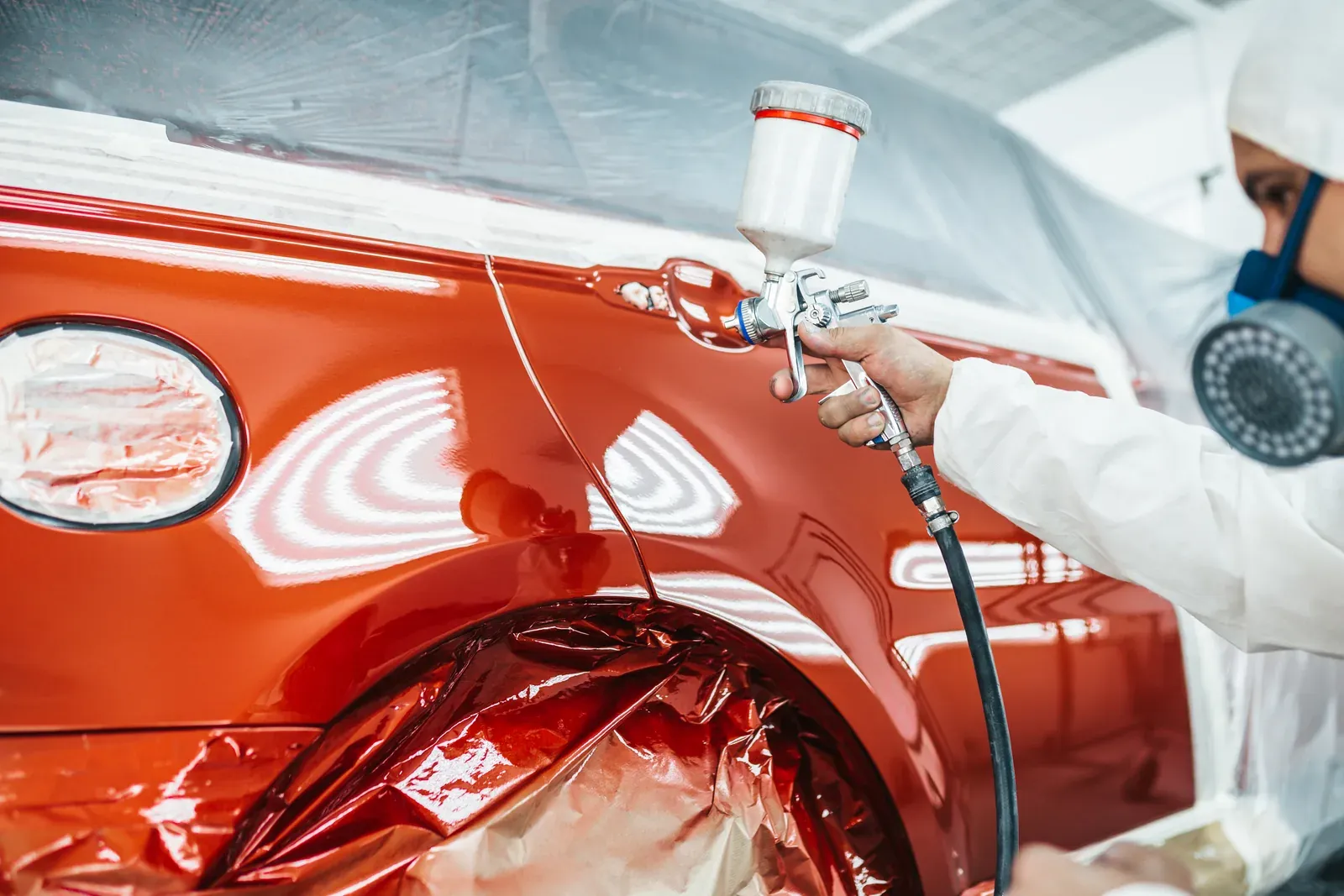
Getting those right is a matter of a clean downdraft booth, correct gun setup, and finishing work after the clear has cured — sanding and polishing the repaired area so its texture matches the factory panels rather than standing out as glassier or flatter. The target is not the shiniest possible panel; it is a panel indistinguishable from the three around it. That distinction is most of the craft, and it is where a shop with one booth and one painter has the advantage over a repair line.
Matching a factory metallic on a European car
Manufacturers vary color between plants and production runs, and a decade of sun moves it again, so the code on the door jamb is a starting point rather than an answer. We measure the color off your own panel, tint the mix toward that reading, and spray a card at the coat count the repair will get before deciding anything. Metallic flake reads differently at every angle, so the card gets looked at in daylight too.
Then the color is blended out into the neighboring panels — on a metallic that usually means carrying it across the full adjacent panel — and the clear goes over the whole area as one film. Replacement parts are sprayed off the car so edges and returns are covered properly rather than masked around. The finished work is warranted for as long as you own the vehicle, and the photo record travels with the car if it is later traded or sold.