The closest refinish shop to Credit River
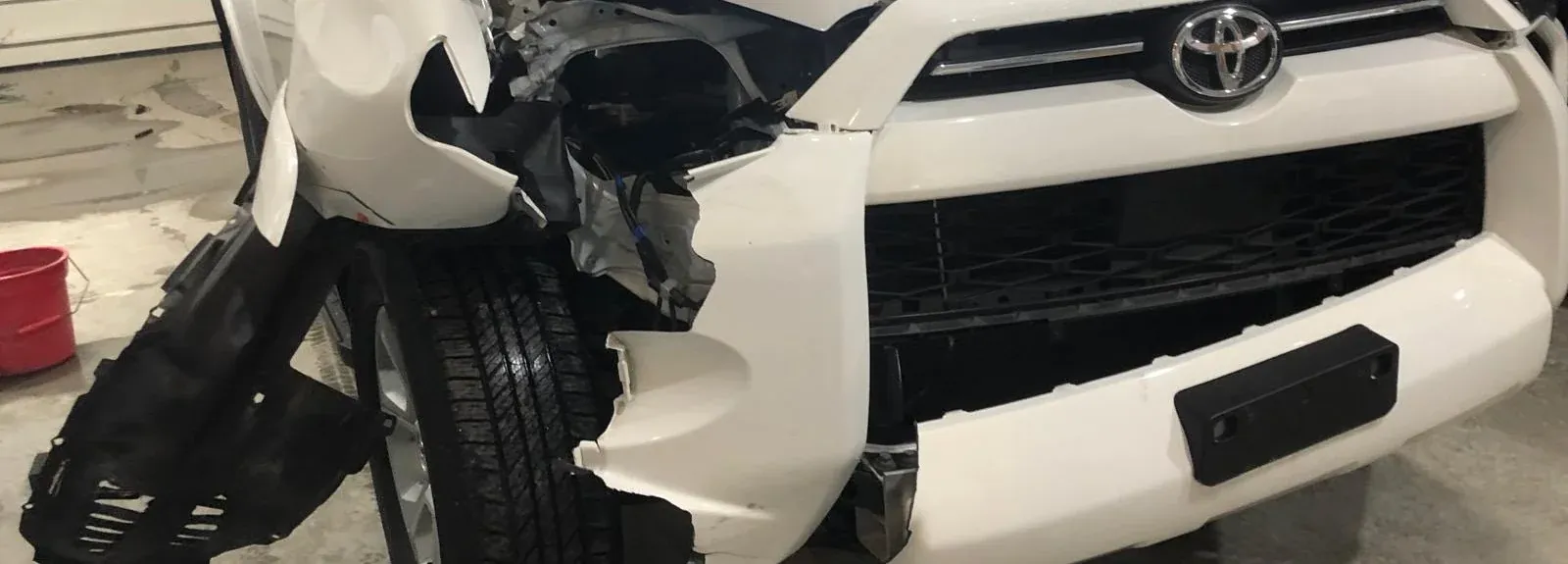
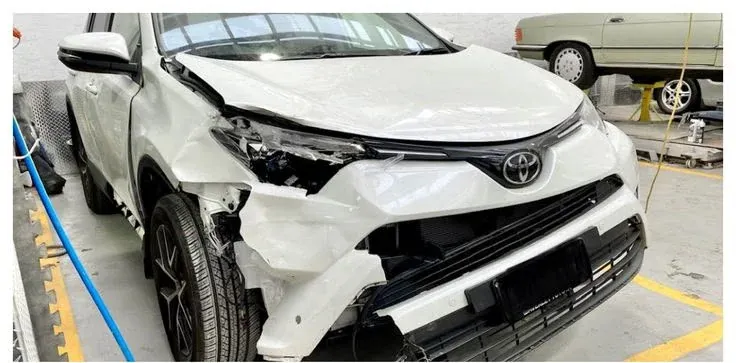
Minnesota’s newest city has lakes, acreage, and township roads, and not one place to get a panel painted. County Road 27 north through Prior Lake puts you on Highway 13 and at our door in under twenty minutes, which is the shortest run to a downdraft booth anyone out here has. If the vehicle is not drivable after a deer strike, we arrange the tow so nobody has to leave the property twice.
Rural driving writes its own list of paint damage. Gravel roads throw stone at the lower doors and rockers, the leading edge of the hood takes a beating on CR 68, and the deer that live along the Credit River corridor account for the rest. None of it is dramatic on the day it happens, and all of it eventually breaks the surface the finish depends on. It shows up as a dull band along the rockers and a hood that no longer shines evenly.
What gravel does to a finish
A stone chip is small, but it is a hole through clearcoat, color, and primer down to metal. Water sits in it, winter salt follows the water, and the paint begins lifting outward from the edge of the chip rather than the middle. By the time a lower door looks hazy from ten feet away, the clear has usually let go across a wide area and is well beyond polishing.
Repair means going back to sound material: sanding out the failed clear, treating any bare metal, priming and sealing, then refinishing the entire panel so the surface is one continuous film again. Spot-patching a chipped rocker leaves a soft-edged halo that shows in low sun. Doing the whole panel and blending into the ones beside it is more work up front and the reason the repair stays invisible. On a vehicle that lives on gravel, doing both lower doors on the same side while the panel is open usually makes sense.
- Chips sanded back until the clearcoat edge is sound
- Bare metal primed and sealed before any color
- Full panel refinished rather than spot-patched
- Color blended into the adjacent panels, then cleared as one area
After a deer strike, the paint is what people notice
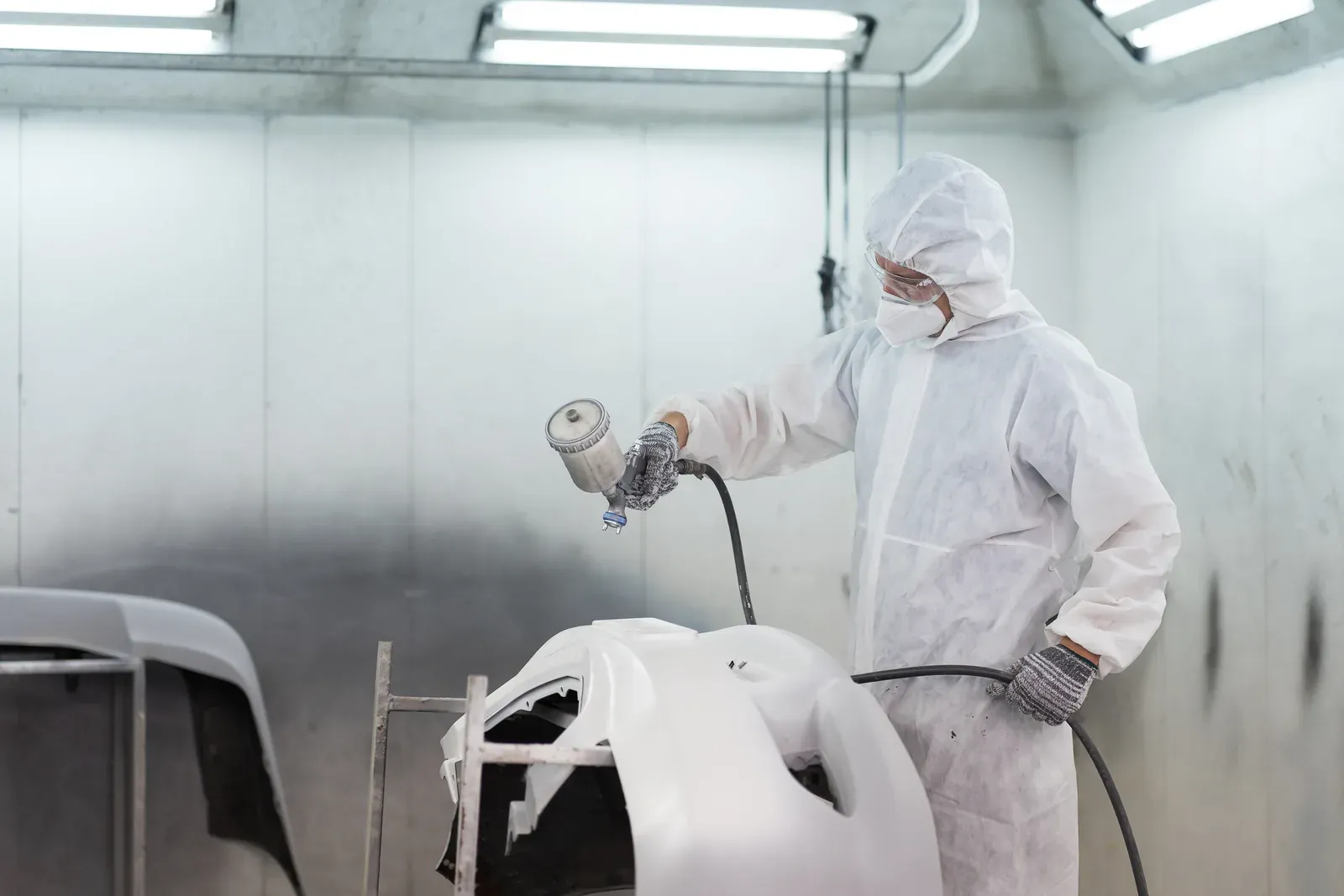
Replacement hoods, fenders, and bumper covers arrive in bare primer or raw plastic — no manufacturer ships them in your color. Those parts are prepped and sprayed here, usually off the car on a stand so edges and undersides get real coverage, then hung and blended into the panels around them once they are on the vehicle. It is the step that decides whether a repaired front end reads as repaired.
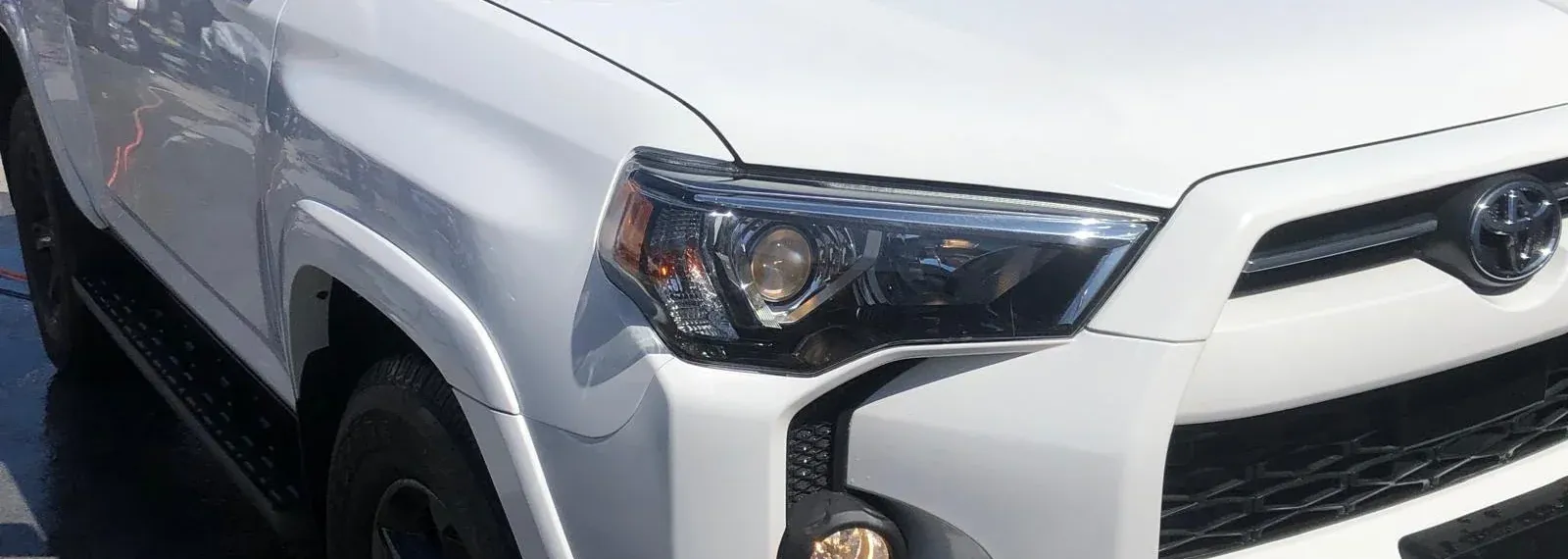
Color for a nine-year-old truck that lives outdoors is not the color in its code, so we measure the panel and tint toward what the paint has become. The finish carries a lifetime warranty, and if the deer strike is an insurance claim we open it, meet the adjuster here, and file a supplement if teardown turns up damage the first estimate missed. Deer claims tend to move quickly once photos are in, and the color work can start while the parts are still on order.