Across the Ferry Bridge, not around the 494 loop
From Hyland Park, Normandale, or the Bush Lake neighborhoods, US 169 south across the Bloomington Ferry Bridge lands on Highway 13 about eight miles from our shop. It is a fifteen to twenty minute run that avoids the 494 interchange entirely, which is the part of Bloomington driving nobody enjoys with a damaged car. The city has more corporate collision addresses than anywhere in the metro; almost none of them are a small booth with an owner in it.
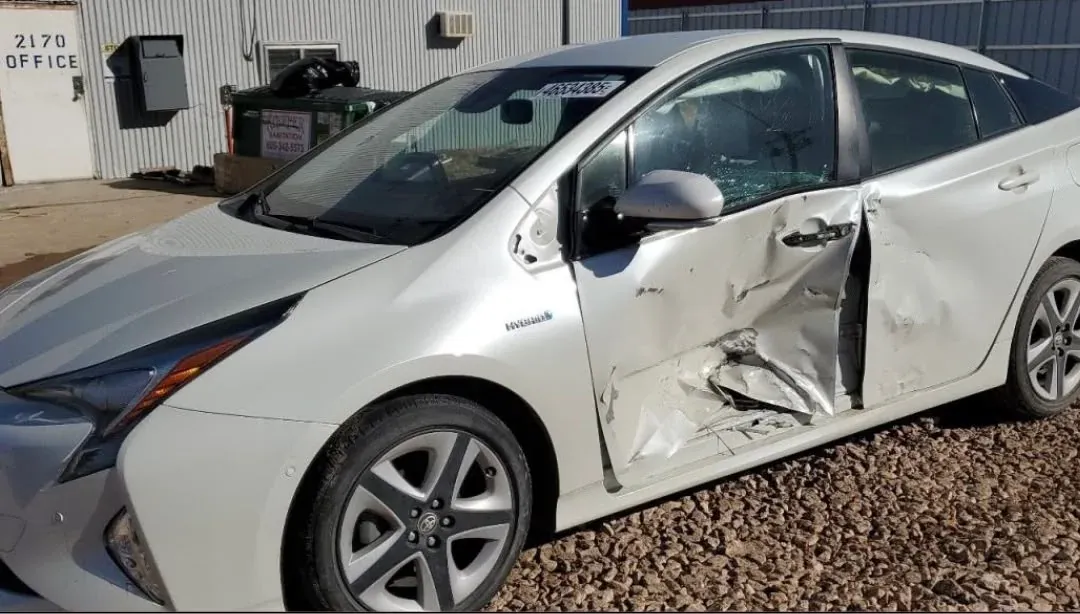
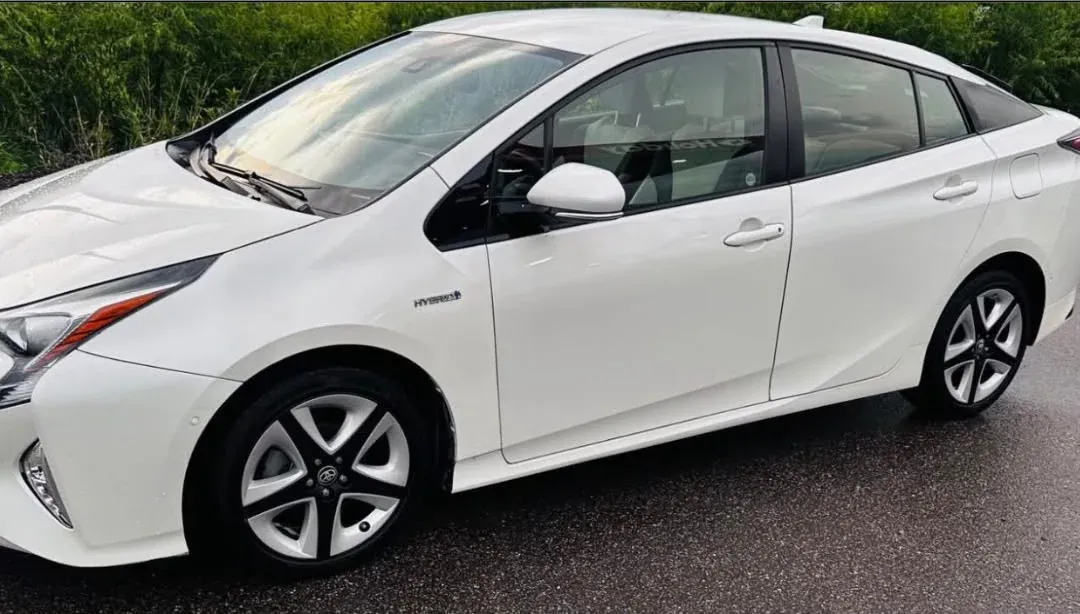
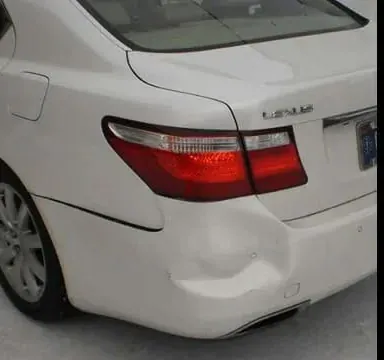
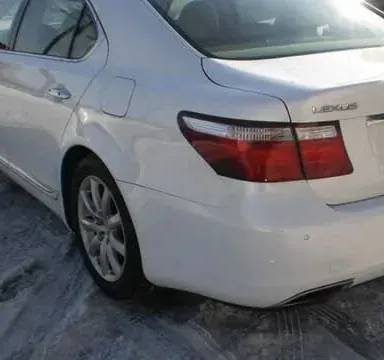
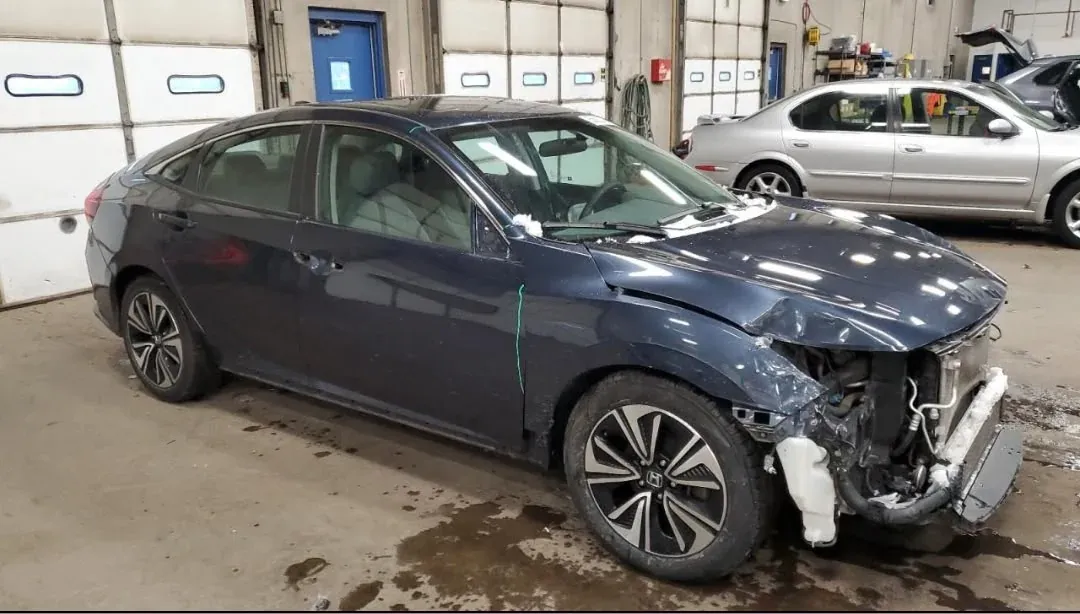
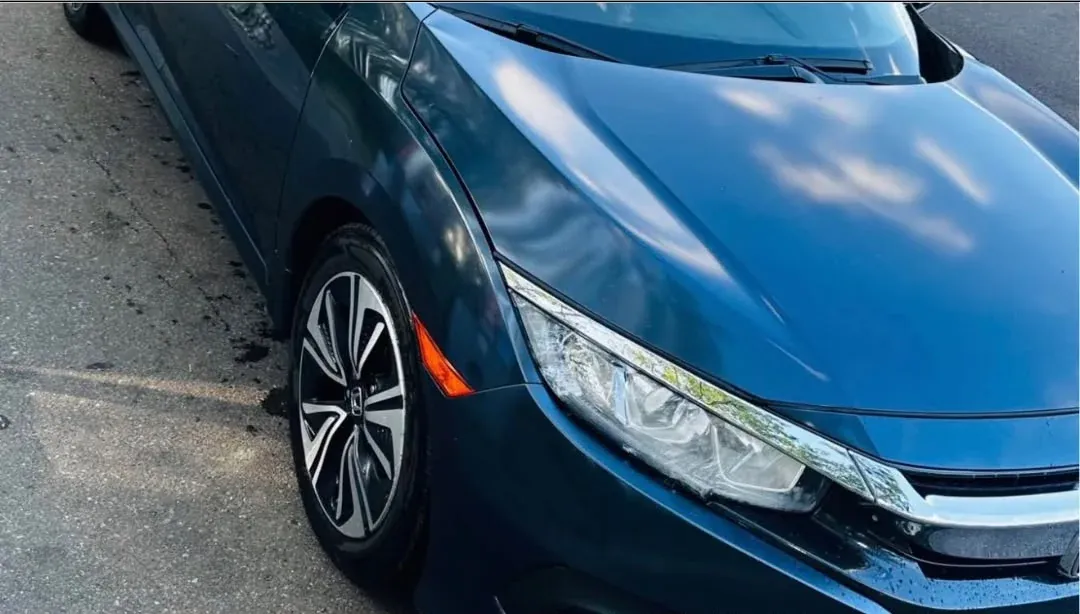
The paint work that crosses the bridge to us tends to be older cars with good bones — a decade of Minnesota sun on the roof and hood, a clearcoat that has started to cloud, and a fender that finally met a pillar in a parking ramp. Matching new paint into that kind of finish is the part most shops rush and the part we test twice before masking.
A ten-year-old color is not the color in the code
Paint changes as it ages. Ultraviolet light breaks down resin and pigment, wash chemicals strip the sacrificial top of the clear, and the panels that face the sky move furthest of all. Two identical cars from the same plant can read differently after a few Minnesota summers, and the factory formula reflects neither of them. Mixing straight from the code onto a weathered car is how a repaired fender ends up brighter than the door beside it.
The alternative is to measure what is actually there. Computerized color matching reads the panel on your car, and the formula gets tinted toward that reading rather than the build sheet. A test card confirms it in daylight before the vehicle is masked. On a well-kept older car it is the difference between a repair you forget about and one you notice every time you park facing the sun. Older cars are where the measuring step earns its keep.
Blending is what hides the last percent
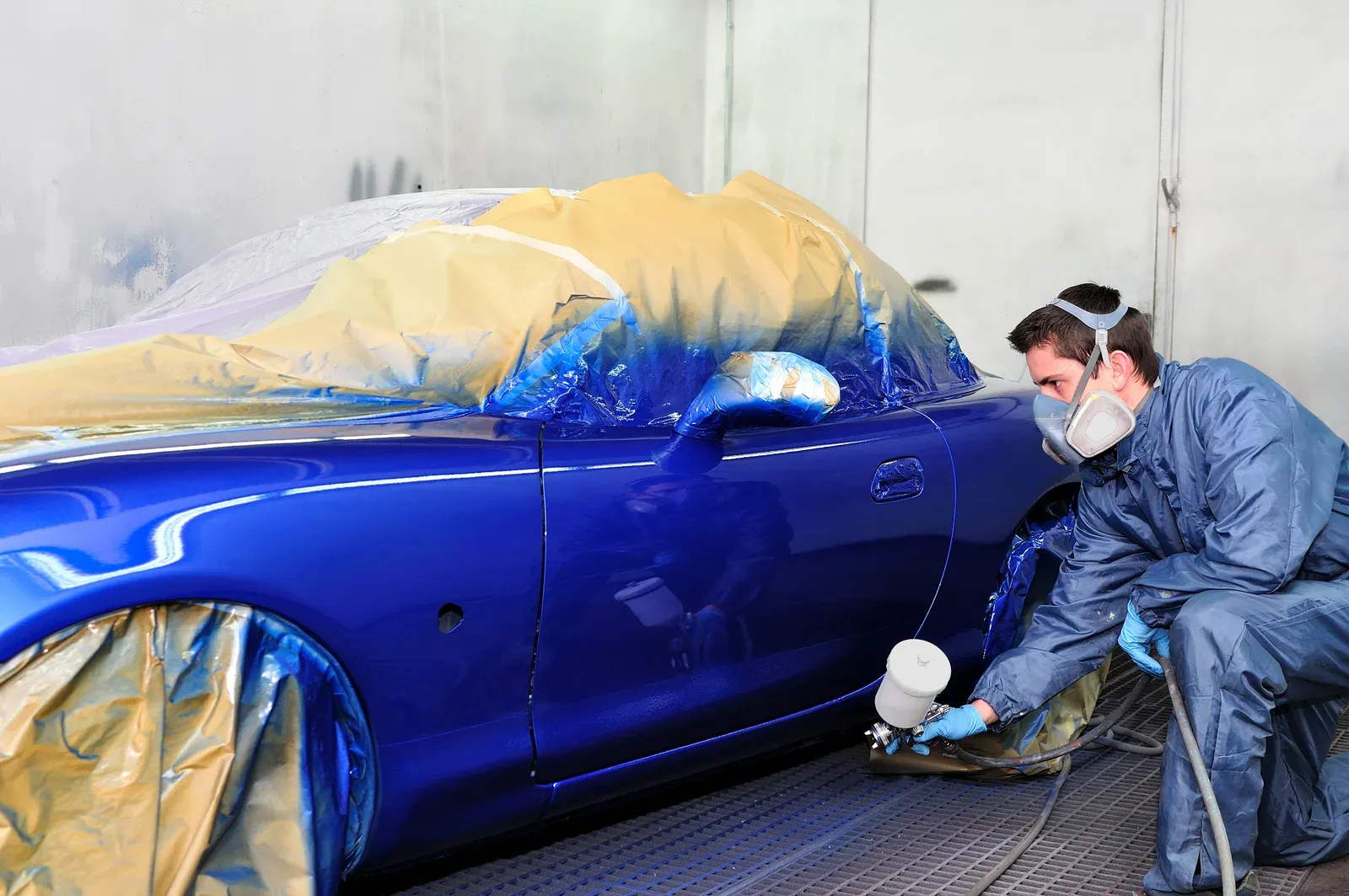
No mixed color is a mathematically perfect match to a weathered panel, and honest shops say so out loud. What closes the gap is blending: the new basecoat is faded out into the panels on either side of the repair, and the clear is carried across the whole area as one film. The eye has no edge to find, so it stops looking for one. How far the blend has to reach depends on the color and on how much the surrounding paint has aged.
That is why a single damaged fender is often quoted with the door beside it, and why we refinish complete panels rather than patching the damaged half. The blend area is written on your estimate before the work starts, not added afterward. The finished paint is warranted for as long as you own the vehicle, and every insurance company is accepted if the repair is part of a claim.
- Full panel refinished, never a spot patch in the middle of a door
- Color measured off your aged paint, not the original build formula
- Basecoat faded out into the neighboring panels
- Clearcoat carried across the entire blend area in one pass