One road west from Apple Valley
County Road 42 is the whole trip: 150th Street West through Burnsville and into Savage, no freeway, no river crossing, eighteen to twenty-five minutes from the Cedar Avenue corridor. Cobblestone Lake, the neighborhoods near the Minnesota Zoo, and the far east side all feed onto the same road, which makes the drive easy to time around a work morning or a school run. Traffic on 42 is heaviest at the Cedar Avenue lights, so an early drop-off usually keeps the trip under twenty minutes.
Most Apple Valley collision work defaults to whichever shop the adjuster names first. Paint work is where that decision shows: a rushed color match stays visible for as long as you own the car, in every parking lot, from every angle. It is worth the twenty minutes to have the person who mixed the color also be the person who has to answer for it later. That is the entire argument for driving past the first name the adjuster mentions.
Tri-coat colors take three passes, not one
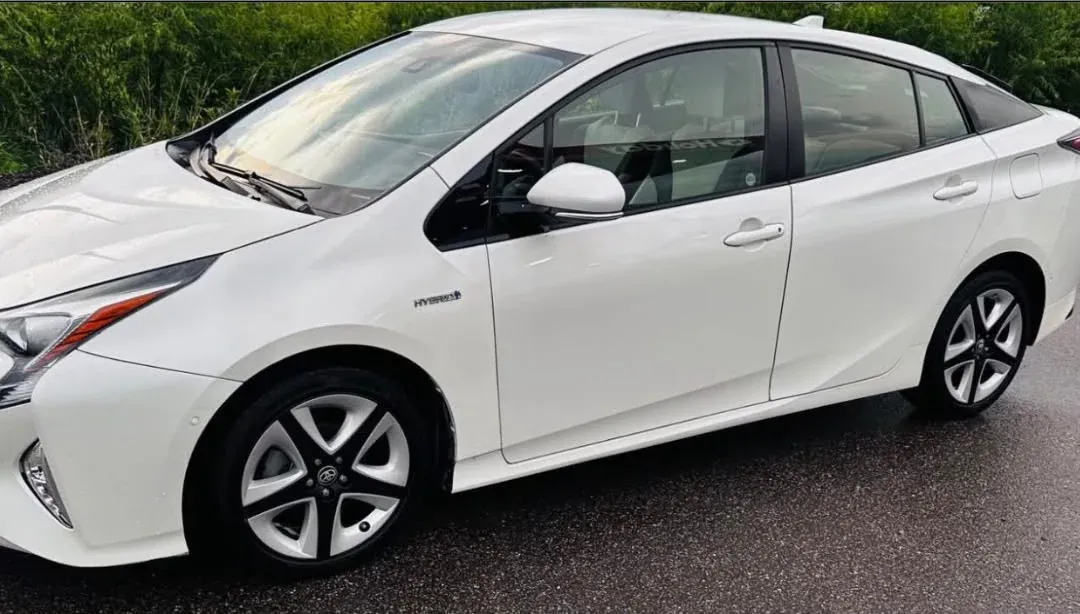
Pearl whites and candy reds are three-stage finishes: a solid ground coat, a translucent mid-coat that carries the pearl, and clear over the top. The final shade depends on how many mid-coats went on, because each one deepens the effect a little further. A formula that is technically correct can still land a full shade off if the coat count is wrong. White pearls are the worst offenders, because the eye reads any shift against the brightest background a car can offer.
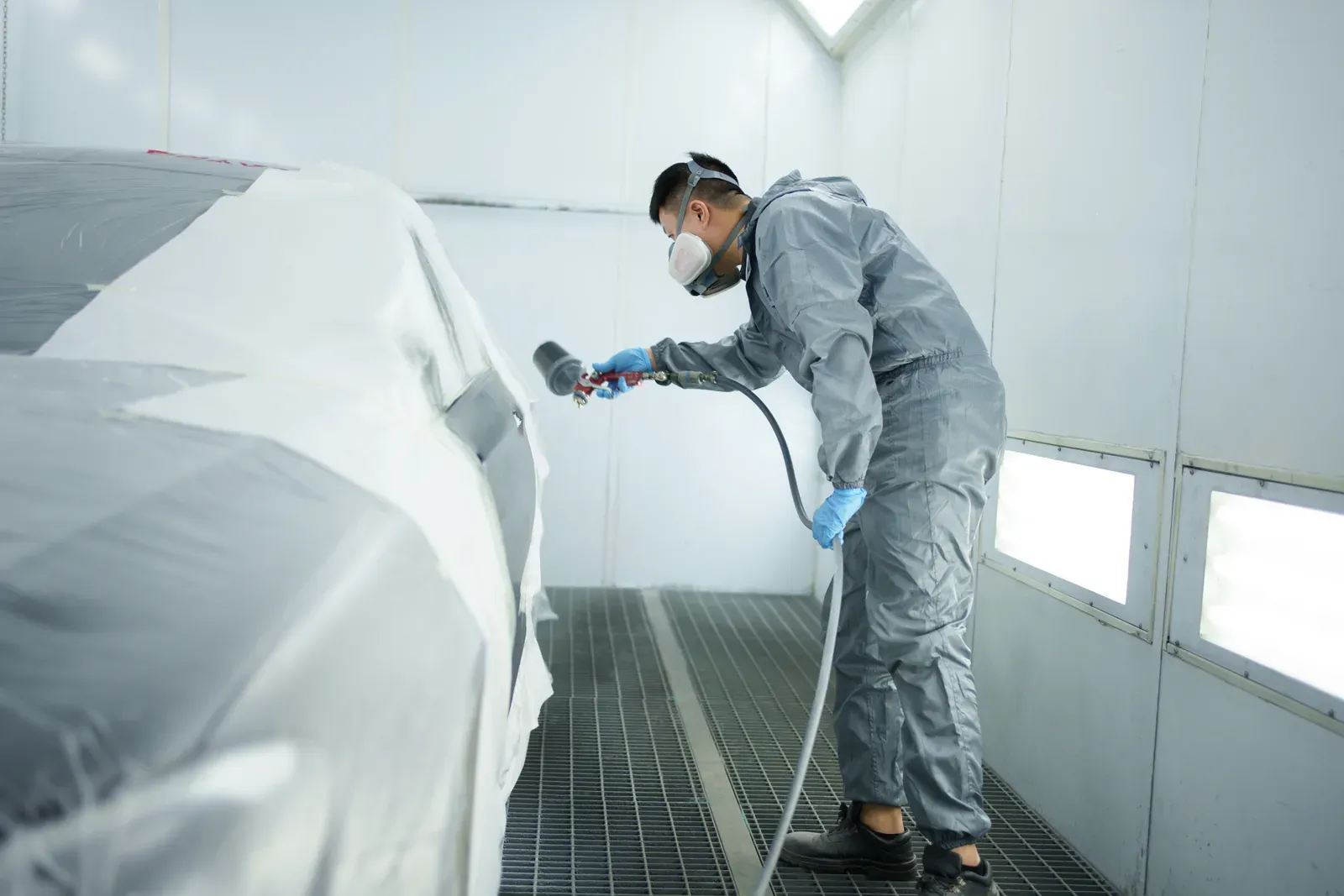
We handle that by spraying test cards at different mid-coat counts and comparing each one against your panel in daylight. The winning card sets the recipe for the car — same gun, same pressure, same number of passes. It takes longer than a two-stage silver, and skipping it is exactly how a repainted door ends up reading pink or gray next to the rest of a white car.
- Ground coat matched first, before the pearl goes anywhere near it
- Test cards sprayed at several different mid-coat counts
- Winning card compared against your panel in daylight
- Blend carried into the adjacent panels, then cleared as one area
Blending a tri-coat is not optional
On a three-stage color, stopping the new paint at a panel gap is a guarantee that the repair shows. The mid-coat’s depth changes with viewing angle, so the eye picks up the transition even when the formula is right. The fix is to carry the base and the pearl out into the panels beside the repair and clear the entire area together as one film.
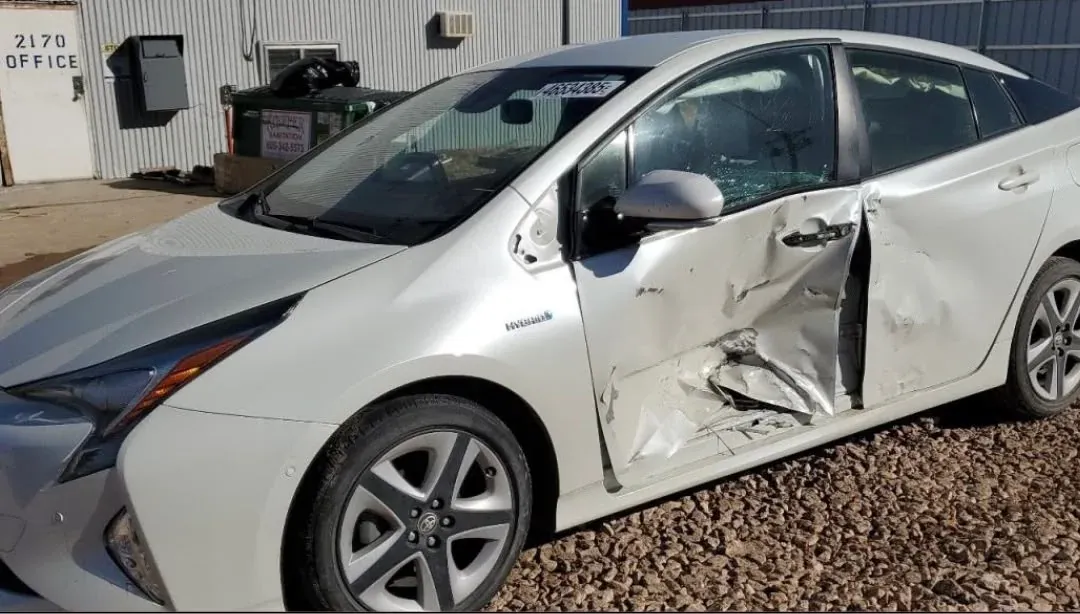
That is why a scuffed Apple Valley door often becomes a door plus a blend into the fender and quarter, and why we quote it that way from the start rather than discovering it halfway through the job. The estimate is free and comes back within 24 hours from photos, and the finished paint carries a lifetime warranty for as long as the car is yours. Tri-coat work takes longer in the booth, and the estimate says so plainly instead of surprising you at pickup.