
Serving Plymouth · about 19.5 mi from the shop
Auto body shop serving Plymouth, MN
Plymouth to Savage is one road: US 169 south, about twenty miles and half an hour, finishing a couple of minutes off Highway 13. If your week already runs the 169 corridor, this drive costs less than the map suggests.
5.0 110+ Google reviews · read them- Drive time
- about 23–31 min
- The route
- US 169 south the whole way, then a short run west on Hwy 13

Why Plymouth drivers make the trip
Worth the drive, once — then it’s your shop
Plymouth is a large city with plenty of repair options, so the honest pitch here is not convenience — it is that the trip attaches easily to something you are already doing. US 169 runs the length of the city and keeps going south past Eden Prairie, across the Minnesota River, to within two minutes of our building. Anyone whose commute, weekend, or errands already use that corridor is adding minutes rather than an expedition. What waits at the far end is a shop with one owner in it, an estimate written after the damage is exposed, and a warranty on the paint that does not expire while the car is yours.
Around Plymouth: Medicine Lake · French Regional Park · Plymouth Creek · the Hwy 55 corridor
Your insurance can’t choose your shop — Minnesota Statute § 72A.201 puts that choice with you. Here’s how that works.
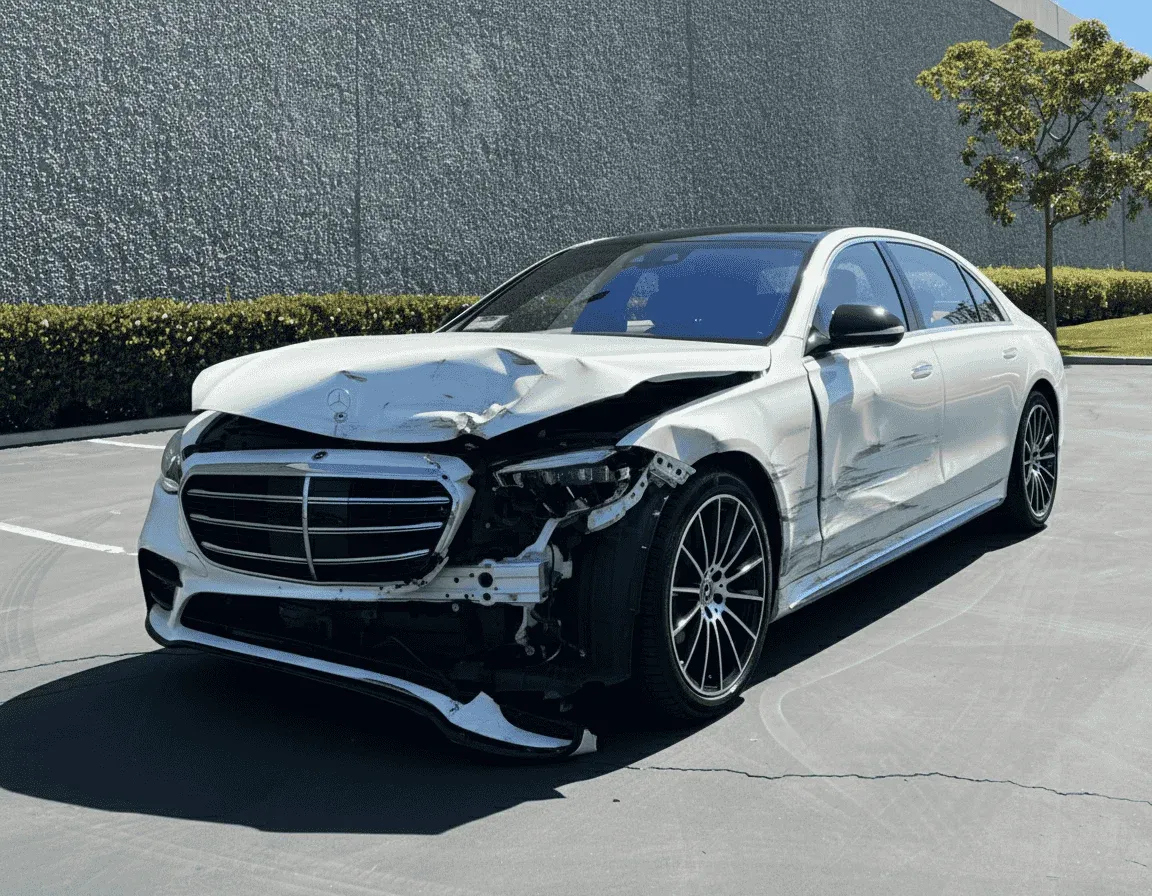
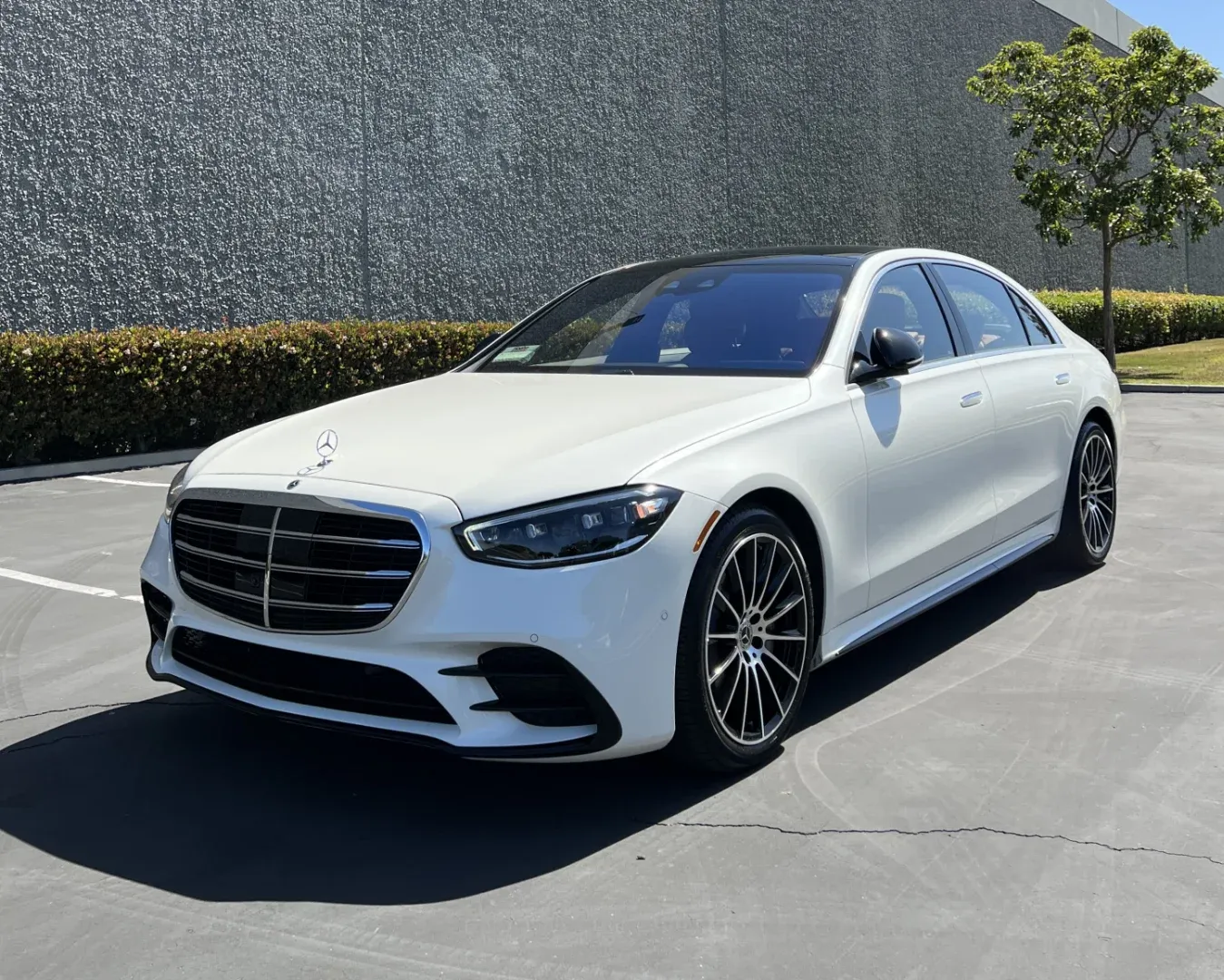
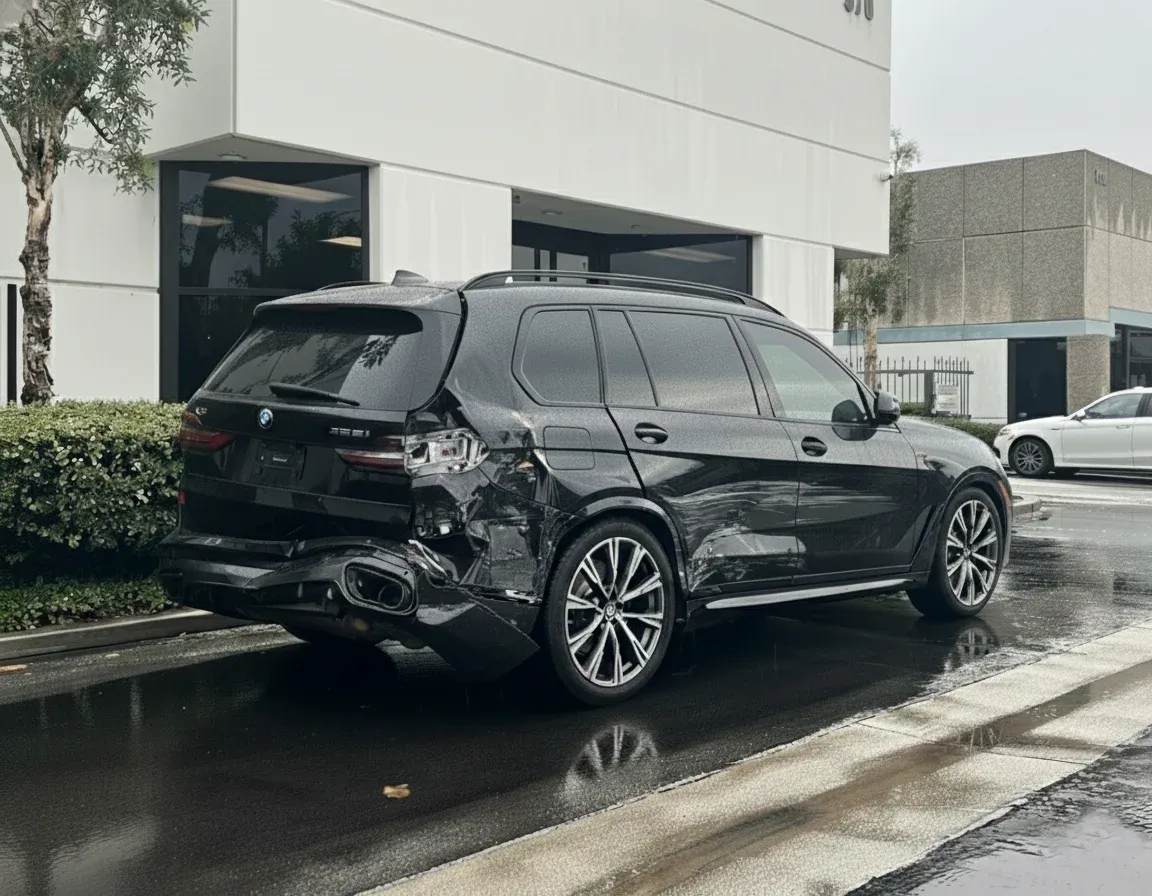
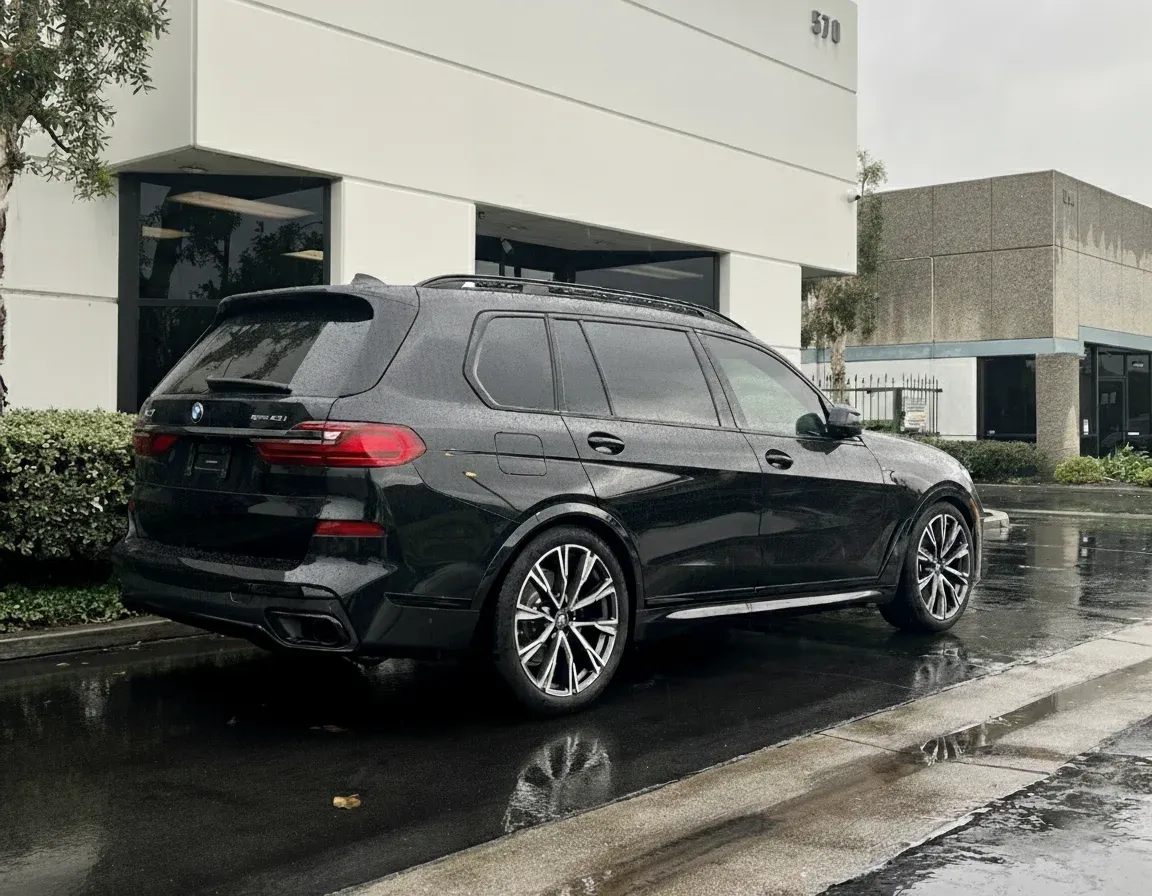
The corridor you are already driving
US 169 is the reason this page exists. It runs north to south past Medicine Lake and the Highway 55 junction, down through Hopkins and Eden Prairie, over the Minnesota River, and into the top of Savage, where our street is a short turn away. Twenty-three to thirty-one minutes end to end, with no route decisions to make in the middle. For a Plymouth driver that is a straight line rather than a cross-metro undertaking, which is a meaningfully different proposition from the same mileage measured through city streets.
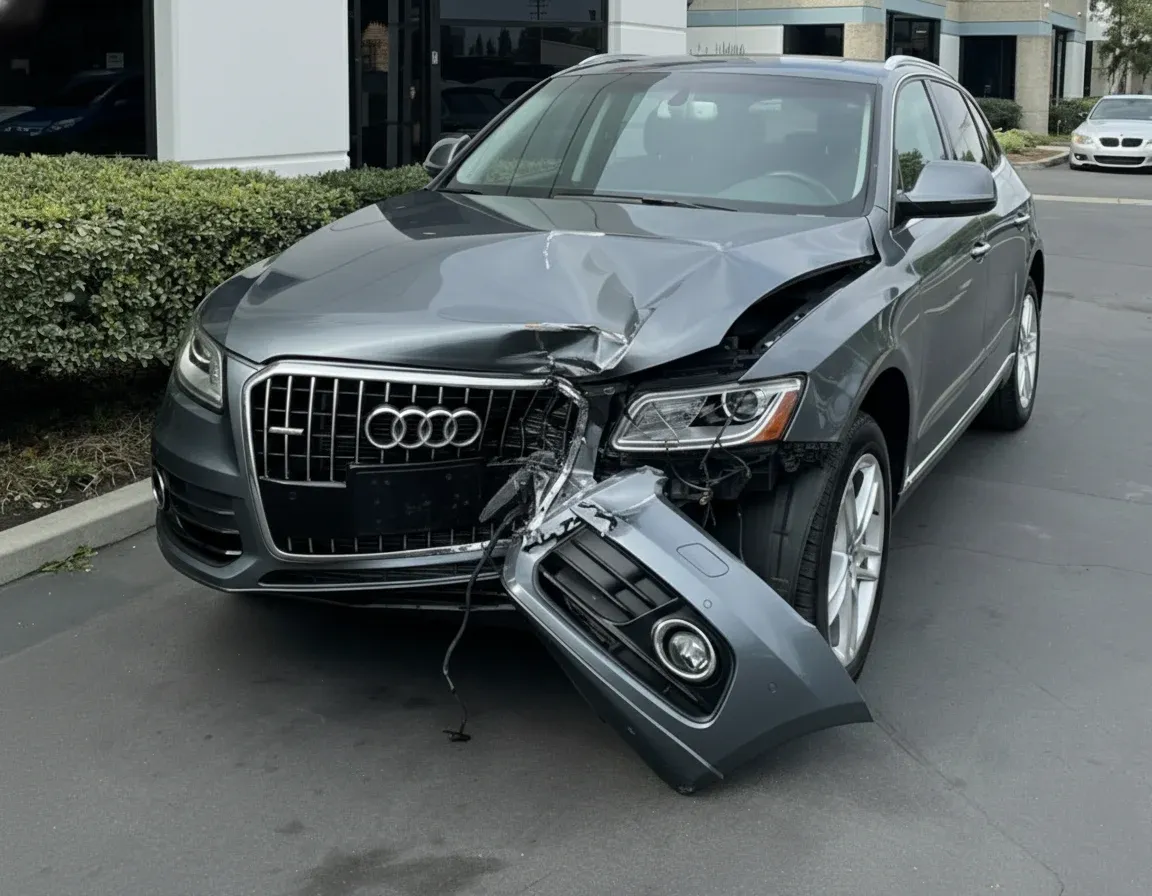
The corridor also supplies a fair share of the damage we repair from Plymouth. Freeway-speed rear impacts where traffic stacks up behind an exit, sideswipes at the merges, and stone damage across hoods from the trucks using 169 as a bypass. Away from the highway the residential half of the city produces the ordinary catalog — driveway contact, garage jambs, and the deer that move between the parks and the creek corridors once the leaves start coming down in the fall.
What happens to the car while you do not have it
The sequence rarely varies. The vehicle is photographed on arrival, then the damaged assemblies come off so the estimate can be settled against what is actually broken. Parts ordered from your photographs get checked for fit before anything is painted. Structural work, if the impact called for any, happens next and is measured rather than eyeballed. Then the body work itself: metal straightened or panels fitted, with the gaps set against the undamaged side of the car for reference.
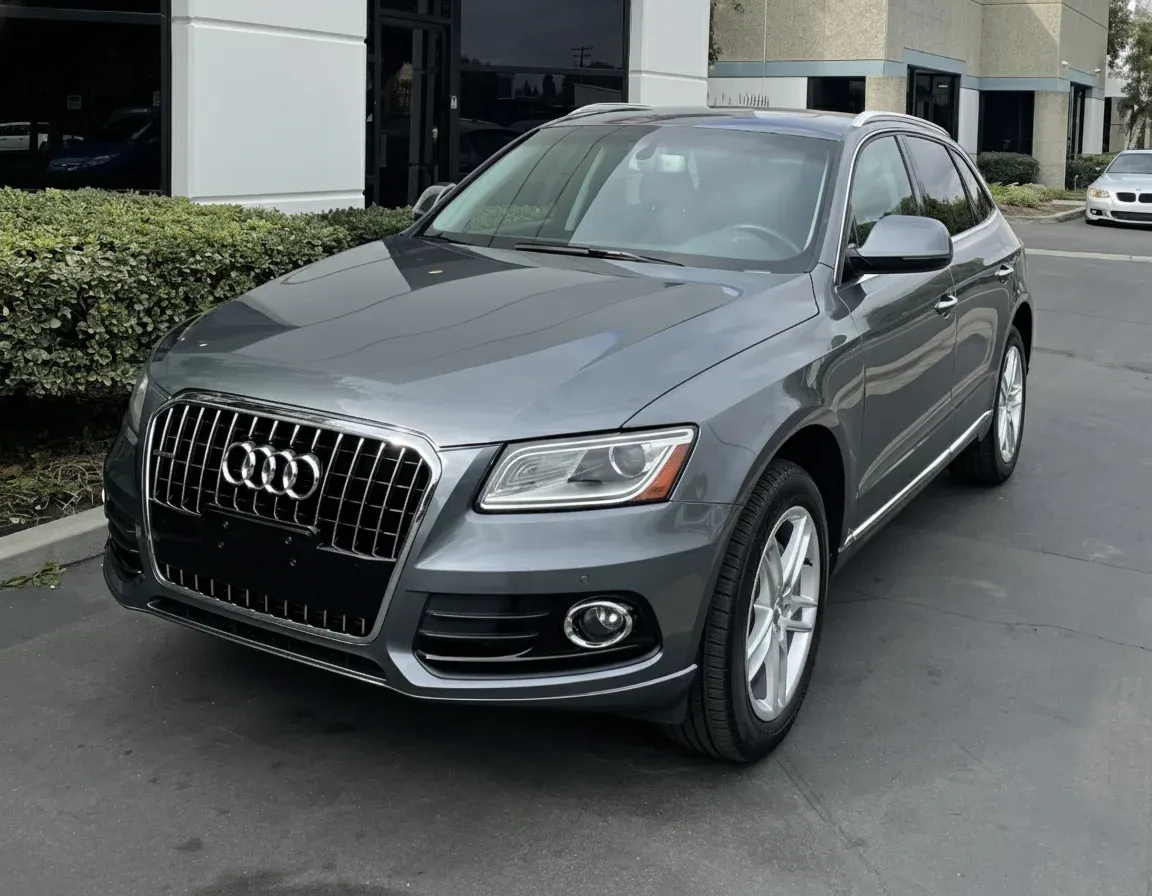
After that comes preparation and paint, which is most of the time involved and nearly all of the difference. The panel is primed and blocked, the color is mixed from your vehicle’s own paint code, and the spray is carried into the adjoining panels so no boundary is left for the eye to find. It cures in a downdraft booth where the airflow pulls dust down and away from wet clear. Then reassembly, a wash, and a walk-around with somebody who knows what the car looked like on the way in.
- Photographed on arrival, at teardown, and at completion
- Parts test-fitted before any color is mixed
- Color pulled from the vehicle’s own code, then blended outward
- Final inspection by the owner before the keys go back
Deciding whether to file at all
Not every repair belongs on a policy. A single panel with no structural involvement is sometimes close enough to a deductible that filing buys you a claim on your record and not much else, and there is no way to judge that without a real number in front of you. So the first thing to get is the number — photographs by text, a written estimate back within a day, free, with no pressure attached to it in either direction.
If filing is the right call, we take it from there. Every insurance company is accepted, the claim gets opened at this end, and the adjuster inspects the vehicle at our building with the panels already off instead of writing it up from a photograph. When teardown finds something the original estimate never covered, we document it and submit the supplement ourselves. Plymouth drivers who use us tend to make two trips down 169 and no calls to a claims queue at all.
Plymouth questions
Questions from Plymouth drivers
Straight answers before you commit to anything — and a human on the phone when you want one.
Is the drive from Plymouth really only half an hour?
Twenty-three to thirty-one minutes when 169 is flowing, longer during construction or at the peak of rush hour. It is one continuous road, which is why it goes quicker than the mileage suggests. We are at 8080 W 125th St in Savage.
Can I get an estimate without bringing the car down?
Yes, and from twenty miles away it is the sensible order of operations. Send a wide shot, a corner shot, and a close-up of the damage. Written numbers come back inside twenty-four hours at no charge, and parts get ordered off them so the car is not sitting in a bay waiting.
Do you have loaner cars?
No. If your claim includes a rental, we time the hand-off to your drop-off so it happens in one stop, and we will tell you before you drive down rather than let you find out on the day. For repairs without a rental, plan on a ride home from Savage.
Live from Google
Every review. Unfiltered.
Pulled straight from our Google profile as they come in — names, dates, and customers’ own photos included.
Get started
Send photos now,
get a number today.
Three photos from the parking lot are enough to start: one full corner of the vehicle, one close-up of the damage, one wide shot. A written estimate comes back within 24 hours — or book a time to bring the car in, or have us call you.
- Response
- Within 24 hours
- Cost
- Free, no obligation
- Prefer to talk?
- (651) 460-9996
Photo estimates cover what a camera can see. If teardown reveals hidden damage, we document it with photos and clear it with you (and your insurance) before any extra work.
Been in an accident?
We’ll take it
from here.
Mon–Sat · 9 AM–11 PM · Sundays by appointment · 8080 W 125th St, Unit G, Savage