
Serving Golden Valley · about 19 mi from the shop
Auto body shop serving Golden Valley, MN
Golden Valley is nineteen miles north of the shop — I-394 west to US 169, then south and over the river. It is a half-hour trip past a good number of collision shops, and it earns itself mainly when the damage went deeper than the paint.
5.0 110+ Google reviews · read them- Drive time
- about 24–32 min
- The route
- I-394 west to US 169 south, straight down to Hwy 13

Why Golden Valley drivers make the trip
Worth the drive, once — then it’s your shop
Freeway damage is a different animal from parking-lot damage, and Golden Valley sits on top of one of the busiest commuter corridors in the state. A hit taken at speed with the brakes already applied does not stop at the bumper cover — it travels into the rails, the crush zones, and the mounting points a manufacturer designed to absorb energy in a specific order. The visible repair on a car like that is the easy half. What decides whether the vehicle is genuinely fixed happens on a measuring system, comparing what the structure is doing now against what the factory says it should be doing, before anybody starts pulling on it.
Around Golden Valley: Theodore Wirth area · Brookview · Golden Valley Road · the I-394 corridor
Your insurance can’t choose your shop — Minnesota Statute § 72A.201 puts that choice with you. Here’s how that works.
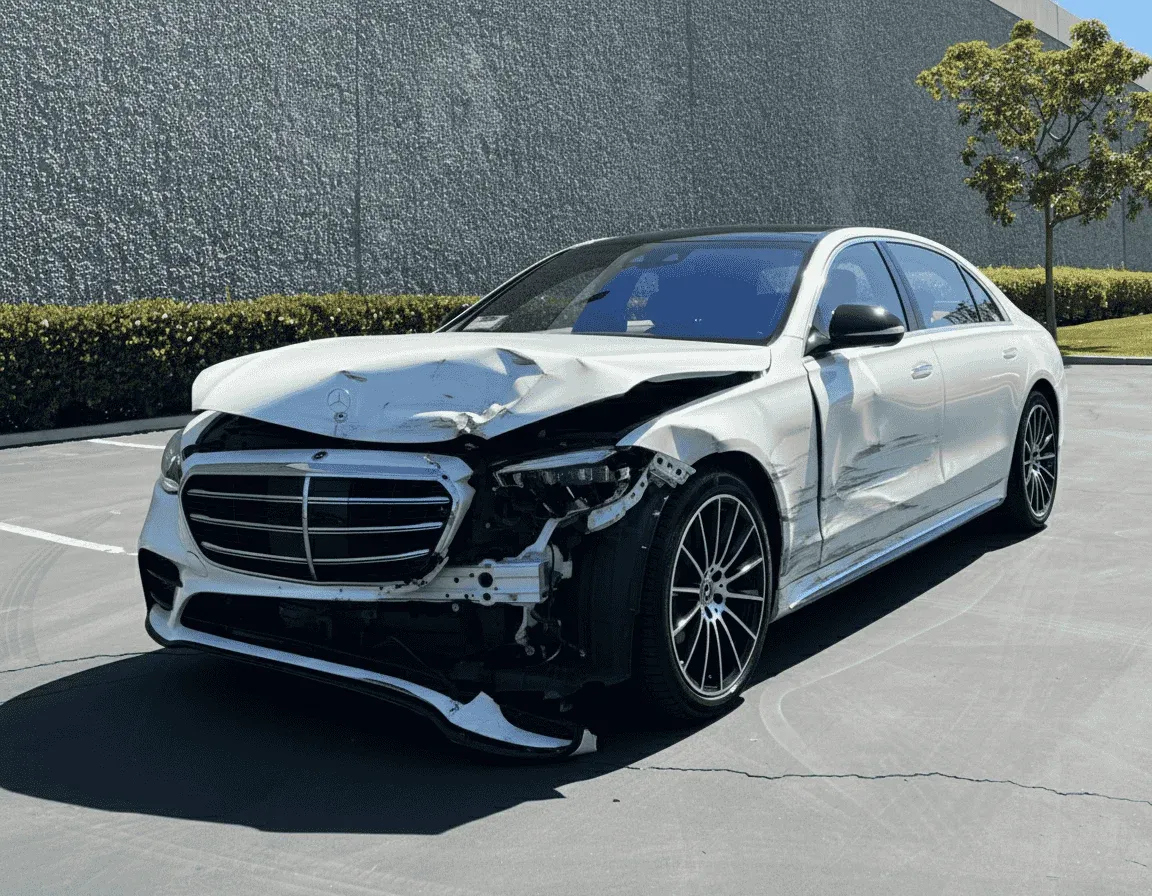
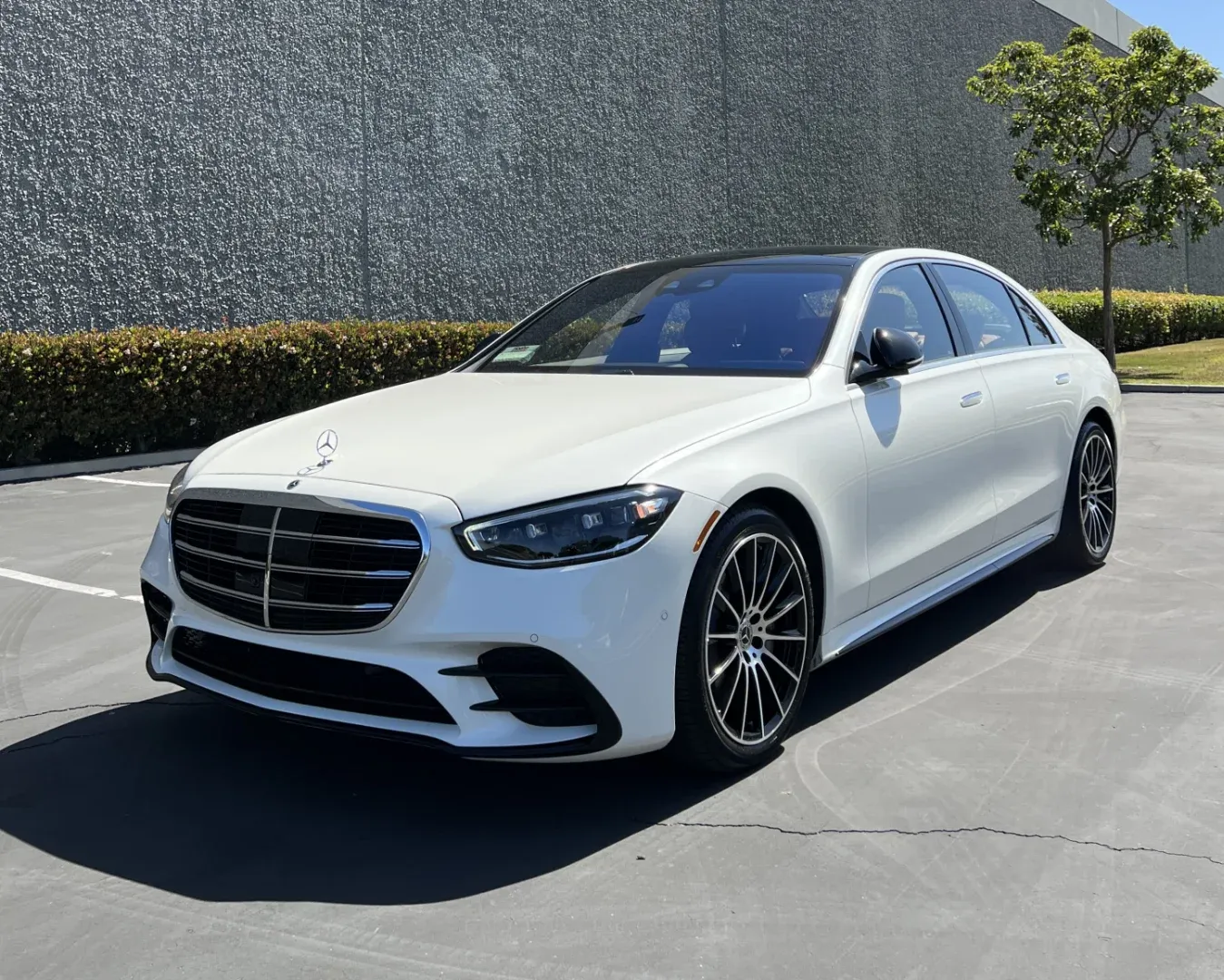
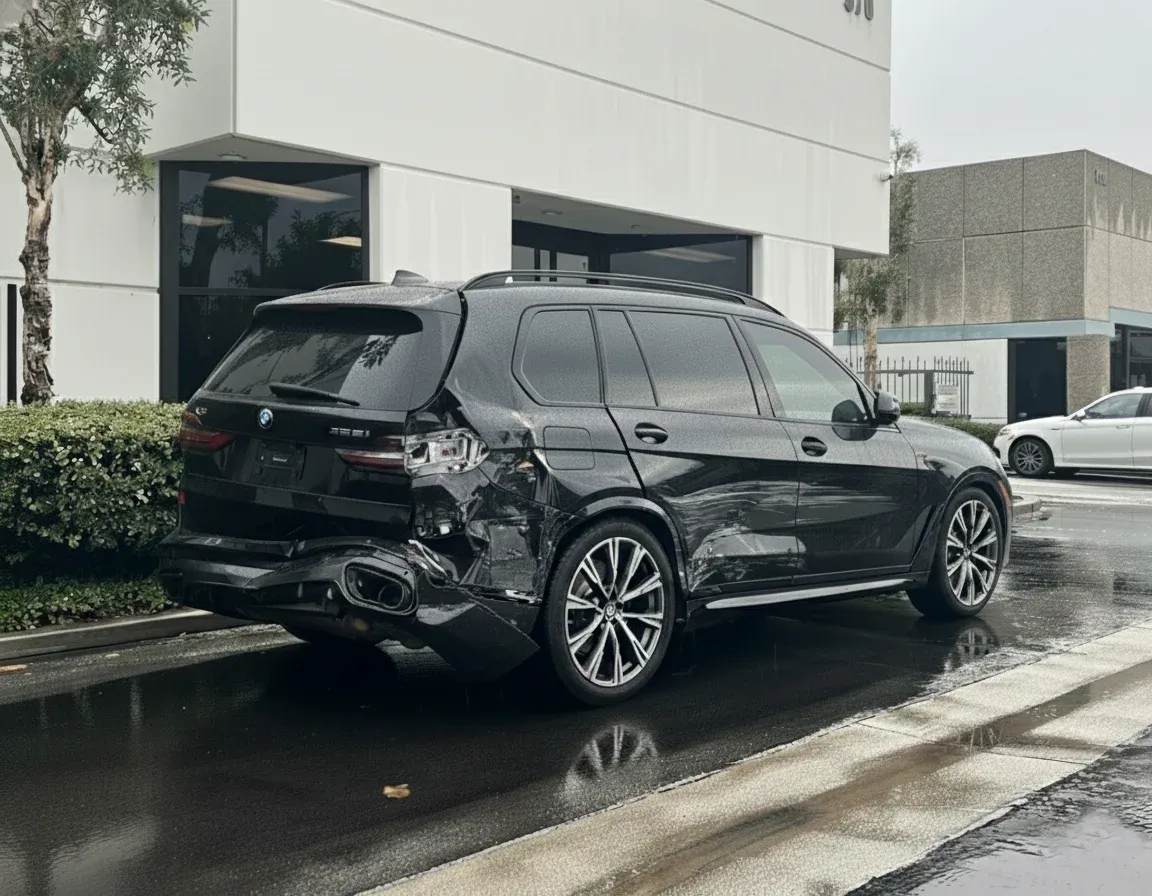
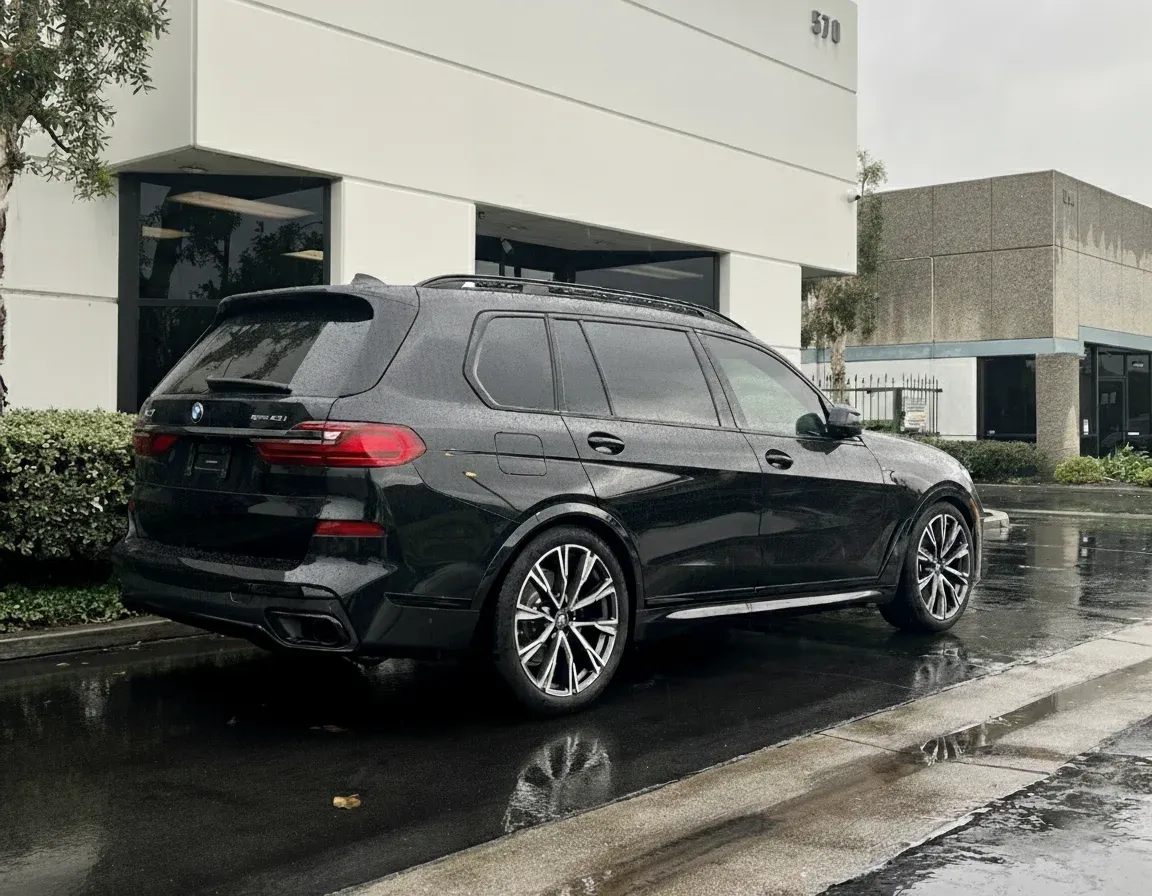
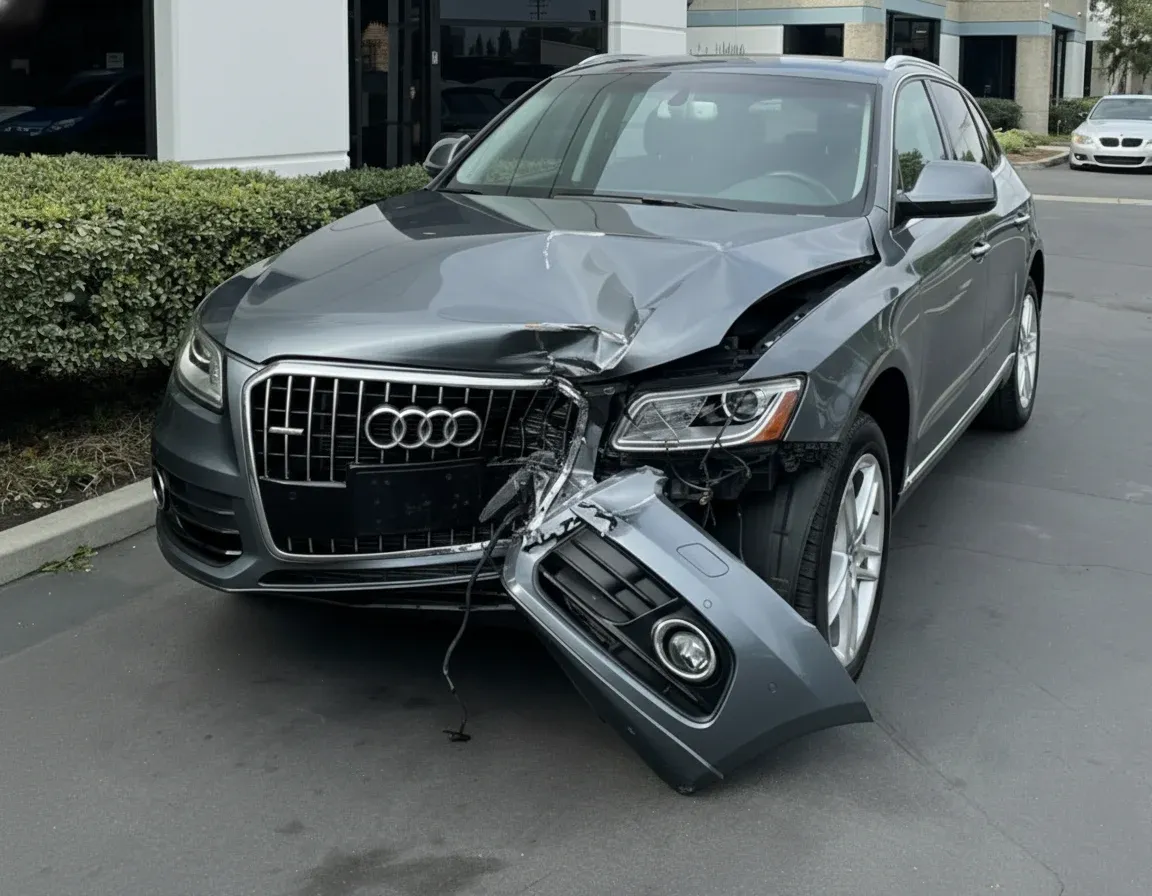
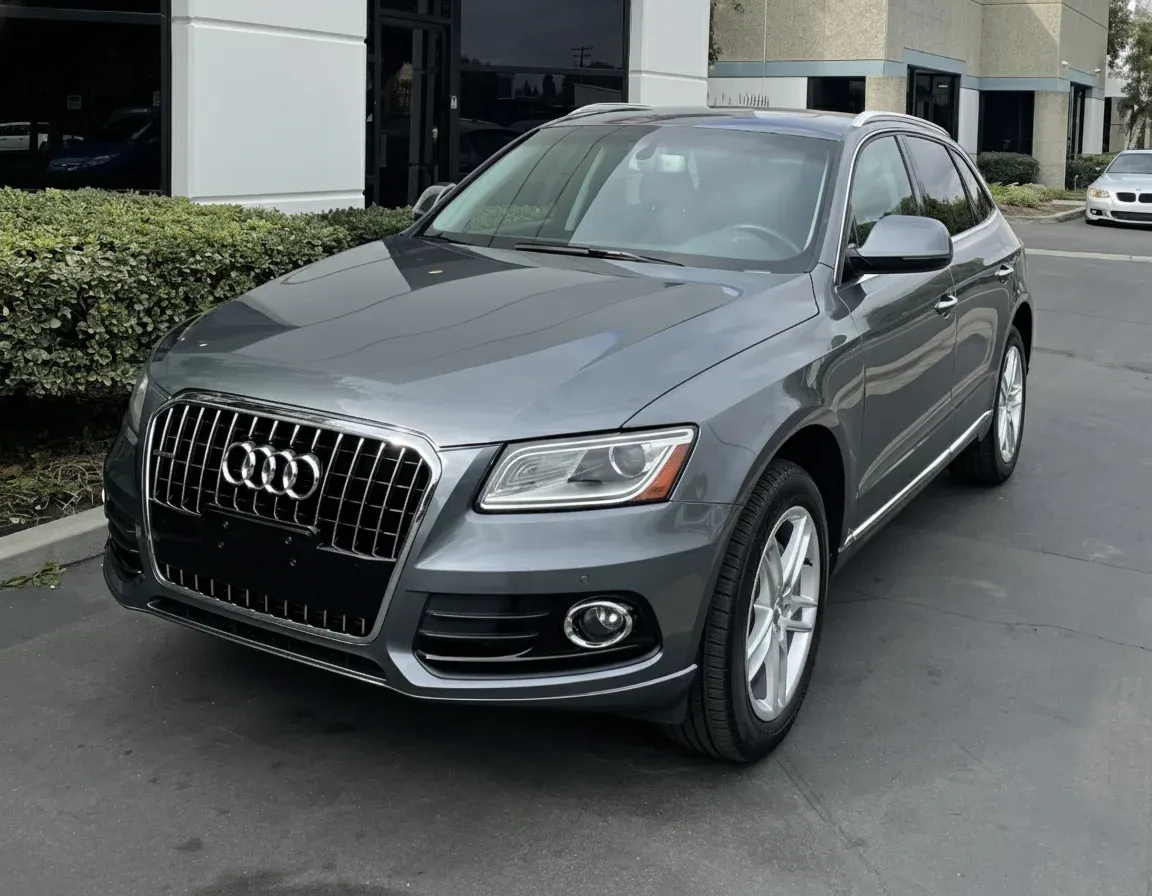
Rush hour on 394 writes a lot of these estimates
The I-394 corridor through Golden Valley does the thing that produces the worst outcomes at ordinary speeds: it moves quickly and then stops without much warning. Rear impacts that arrive with real closing speed reach past the cover and the absorber into the rear rails, and the trunk floor is often the tell — a wave in the sheet metal nobody would notice without lifting the mat. Lane changes at the ramp merges supply the sideswipes, and the park-and-ride lots at either end contribute the ordinary stationary contact.
Highway 55 and Golden Valley Road add a different mix: signalized arterials, turning traffic, and a fair number of drivers committing to a decision late. Off the main roads, the streets around Theodore Wirth and Brookview run under mature tree cover that keeps ice in place well past the thaw everywhere else, which is where the winter curb strikes come from. Different speeds, different damage, and the same question sitting behind every estimate — how far past the visible panel did the energy actually travel.
What laser measuring actually tells us
A modern unibody is a designed structure rather than a shell. It has specified distances between mounting points, specified heights, and crush zones intended to deform in a set order. After a significant impact those measurements either match the manufacturer’s data or they do not, and no amount of standing back and looking at the car will tell you which. A laser measuring system compares dozens of points on the vehicle against factory specification and reports the deviation in millimeters, before the repair and again afterward.
That matters in two directions. It tells us where to pull and how far, so the structure returns to specification rather than to whatever looks about right once the panels line up. And it tells you, in writing, that it got there — worth having when the car is eventually sold, and worth considerably more if the vehicle is ever in a second collision, because the safety systems on board were engineered on the assumption that the structure underneath them is still the shape it was when it left the plant.
- Structure compared against factory data before any pulling begins
- Deviations reported in millimeters rather than judged from panel gaps
- A second measurement after the repair, kept with the file
- Photographs at teardown and at completion on every job
A half hour south, and honest about it
You will pass collision shops on the way here, several of them perfectly competent, and it would be silly to pretend otherwise. The reason to keep driving is narrow: an impact that reached structure, a car worth restoring properly rather than adequately, or an insurance conversation that has started to sound like instruction instead of advice. Under Minnesota Statute § 72A.201 an insurance company may recommend a shop, and may not require one, condition payment on one, or apply pressure to move you toward it.
If none of that applies, take the closer option with our blessing. If it does, the drive is I-394 west to US 169 and then south — twenty-four to thirty-two minutes with the river crossing at the end of it. Send photographs before you come and the estimate will be written and the parts ordered by the time you arrive. A hit big enough to be worth measuring is usually a hit big enough to be worth towing, and we book that ourselves.
Golden Valley questions
Questions from Golden Valley drivers
Straight answers before you commit to anything — and a human on the phone when you want one.
When does a repair need structural measuring?
Any time the impact moved something other than a bolt-on panel — a hit into the rails, a substantial corner impact, anything that pushed a wheel out of position. If the measurement comes back inside specification, that is the result, and it costs you nothing extra to have found out.
How long is the drive from Golden Valley?
Twenty-four to thirty-two minutes. I-394 west to US 169, south past Eden Prairie, over the Minnesota River, then east on Highway 13. There are closer shops, and you will hear it from us when one of them is the sensible choice.
My insurance company says their preferred shop can start sooner. Should that settle it?
It is fair to weigh, but it is not a rule. Minnesota Statute § 72A.201 treats steering as an unfair claims practice, so the choice stays with you. Ask both shops how the estimate gets written and whether the structure will be measured, then decide with those answers.
Live from Google
Every review. Unfiltered.
Pulled straight from our Google profile as they come in — names, dates, and customers’ own photos included.
Get started
Send photos now,
get a number today.
Three photos from the parking lot are enough to start: one full corner of the vehicle, one close-up of the damage, one wide shot. A written estimate comes back within 24 hours — or book a time to bring the car in, or have us call you.
- Response
- Within 24 hours
- Cost
- Free, no obligation
- Prefer to talk?
- (651) 460-9996
Photo estimates cover what a camera can see. If teardown reveals hidden damage, we document it with photos and clear it with you (and your insurance) before any extra work.
Been in an accident?
We’ll take it
from here.
Mon–Sat · 9 AM–11 PM · Sundays by appointment · 8080 W 125th St, Unit G, Savage