
Who pays for towing after an accident in Minnesota?
Quick answer
Towing after a crash is part of the loss, so it is generally paid by whichever coverage pays for the damage — the at-fault driver’s liability, or your own collision or comprehensive claim. Roadside assistance coverage handles tows when no claim is involved. Move the vehicle to a shop quickly, because impound storage fees accrue daily.
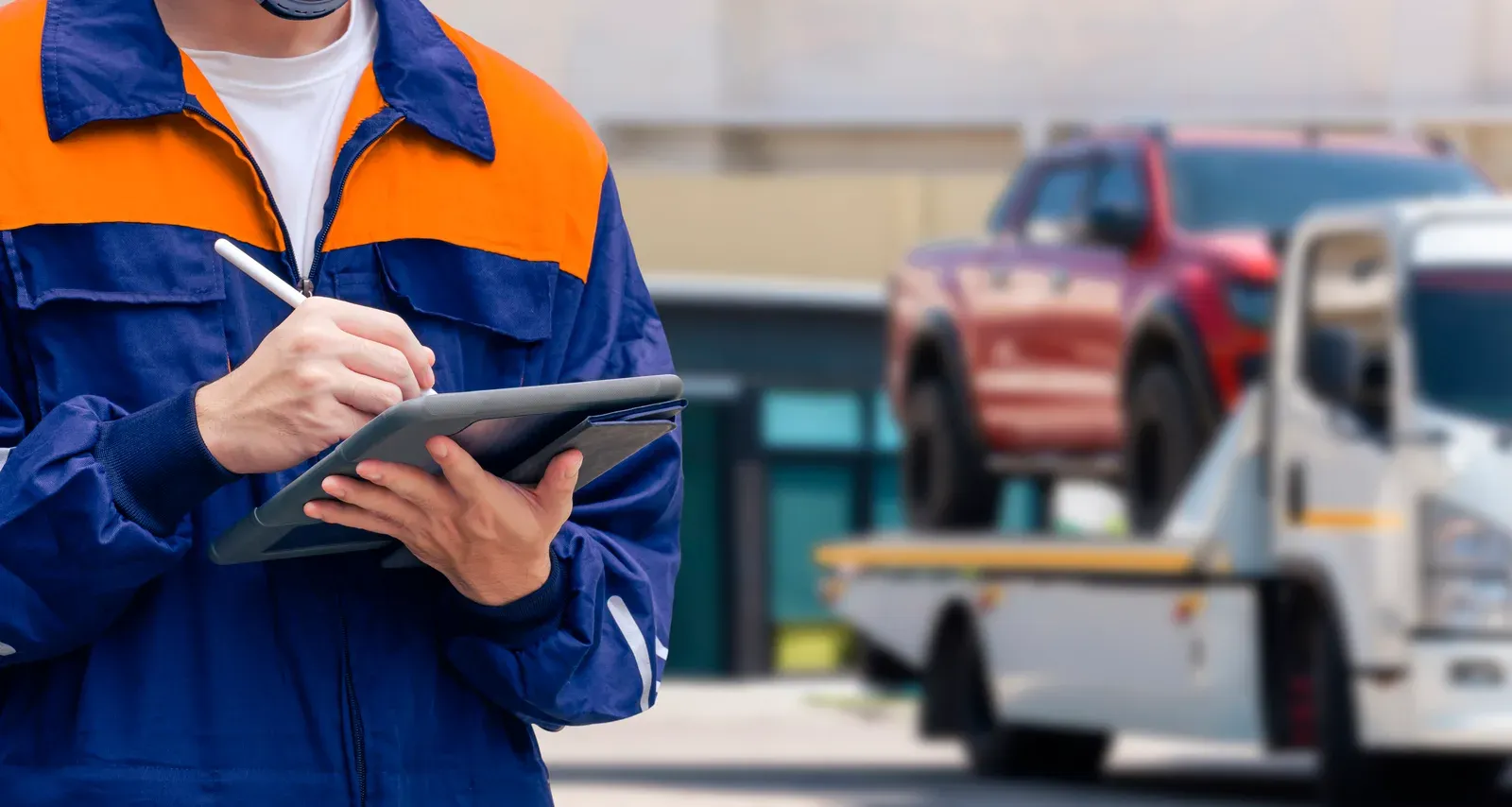
The tow follows the claim
A tow from an accident scene is treated as part of the cost of the loss, not as a separate service you bought. If the other driver was at fault, their liability coverage owes it along with the repair. If you are claiming on your own collision or comprehensive coverage, your insurance company covers the tow subject to your deductible on the claim as a whole.
Roadside assistance is a different product. It covers tows for breakdowns, lockouts, and dead batteries, usually with a mileage cap, and it is not the coverage you need after a collision.
Personal injury protection does not pay for towing. PIP covers medical expenses and wage loss, which is a common point of confusion in a no-fault state.
Storage fees are the part that hurts
The tow itself is usually a manageable number. Storage is what turns into a problem, because impound and tow yards charge per day and those charges start immediately.
Insurance companies pay reasonable storage for a reasonable period. They generally stop paying once you have been told to move the vehicle and have not, and a bill that sits for weeks becomes your bill.
Move fast, in this order:
- Ask the tow operator where the vehicle is going and get the yard’s name and phone number
- Open the insurance claim the same day and get the claim number
- Tell the insurance company which shop you are using — the choice is yours under Minnesota law
- Ask your shop to arrange the release and the second tow, which is routine work
- Get the storage total in writing before the vehicle leaves the yard
You choose where the car goes
At the scene, a tow operator or an officer may ask where you want the vehicle taken. If you already know your shop, name it, and the vehicle can go straight there without a second tow and without storage fees at all.
If the vehicle has already been taken to an impound lot, you can still direct it to the shop you choose. Minnesota Statute § 72A.201 forbids an insurance company from requiring a particular repair facility, and a tow yard has no authority over that decision either.
Be careful with tow operators who arrive uninvited at a crash scene and offer to handle everything including repairs. Ask for the price in writing before the vehicle is hooked up.
What the shop can take off your hands
If your car is not drivable, call us at (651) 460-9996 and we will arrange the tow to our shop in Savage. If it is already sitting in a yard, tell us where and we will handle the release and the transport.
We open the claim with you on the same call when you want us to, so the tow, the storage, and the repair all end up on one file with one claim number rather than three separate conversations.
Bring the tow receipt and the storage invoice with the vehicle. Those documents go into the claim file and get submitted with the estimate.
Tows arranged at the scene
Most tow operators around the metro are legitimate businesses doing hard work in bad weather. A small number are not, and a crash scene is exactly where the difference matters.
The pattern to watch for is a truck that arrives without being called, a driver who is vague about where the vehicle is going, and a form pushed at you while you are still shaken. Signing it can authorize storage at a rate you never agreed to and a repair you never chose.
You are allowed to slow this down. Ask who called them, ask for the destination, and ask for the rate in writing before the vehicle is hooked up. If police are on scene and a tow is being ordered, you can still name where you want the car taken.
The simplest protection is deciding in advance. Knowing which shop you would use means you can name it at the scene, the vehicle goes there directly, and there is no second tow and no storage bill at all.
If a vehicle has already gone somewhere you did not choose, you are not stuck with it. Call your insurance company and your shop, and the release and second tow get arranged the same day in most cases.
Warning signs worth taking seriously:
- A truck that shows up uninvited and is in a hurry to load
- A driver who will not say clearly where the vehicle is being taken
- Paperwork that includes a repair authorization along with the tow
- No written rate for the tow, the hookup, or the daily storage
- Pressure to decide immediately, or discouragement from calling your own shop
- A yard that will not release the vehicle without cash, or will not give a total in writing
A note on drivable vehicles
Not every damaged car needs a tow, but some that seem drivable should not be driven. Fluid on the ground, a wheel that is not pointing straight, a hood that will not latch, lights that do not work, or any airbag deployment all mean stop.
Driving a car with a compromised structure also risks turning a repairable vehicle into a total loss, and it can complicate the claim if new damage appears after the crash was reported.
This page is general information from a repair shop, not legal advice. Coverage for towing and storage varies by policy — confirm yours with your agent or adjuster.
