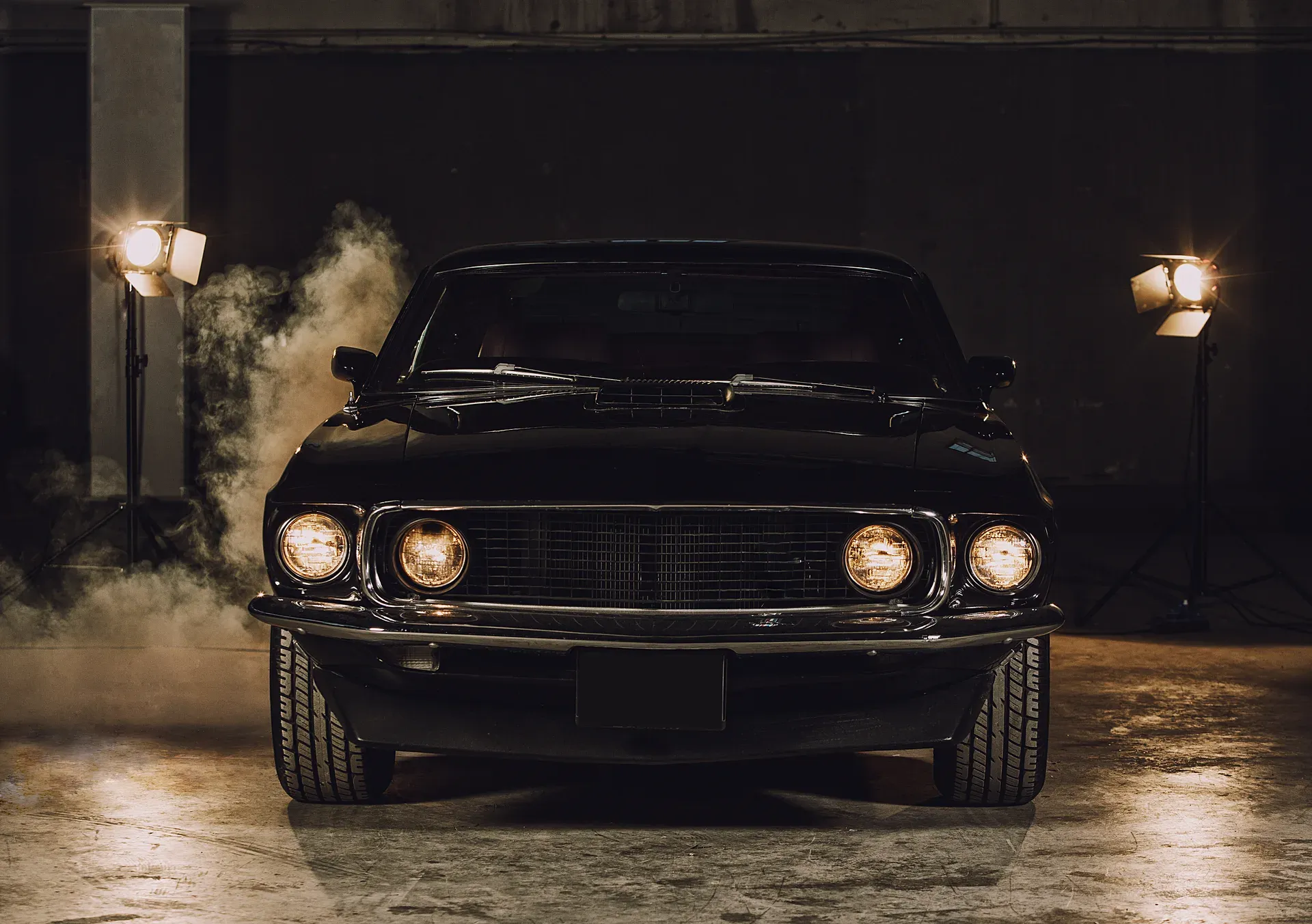
How much does it cost to paint a car?
Quick answer
A full repaint commonly runs from about $1,000 for a basic single-stage job to $5,000–$10,000 or more for a proper strip, prep, and base-clear refinish in a modern color. Almost all of that difference is prep labor, disassembly, and paint type — not the paint itself. Most drivers only need one or two panels done, which costs far less.
Why the range is so wide
Two shops can quote the same car and be four thousand dollars apart while both are telling the truth, because they are quoting two different jobs. The cheap number is usually paint sprayed over scuffed existing finish, with masking instead of removal, in a single-stage material with no clearcoat. The expensive number is the car taken apart, the old finish sanded flat, dents and chips repaired, primed and blocked, sealed, then base coat and clear coat applied in a booth and cured.
Paint material is a small share of either quote. The bill is labor and time. A car that spends thirty hours in prep costs more than one that spends six, and it will look better and last longer for exactly that reason.
The only number that matters for your car is a written estimate on your actual vehicle, after somebody has looked at the condition of the existing finish. Ours is free and comes back within 24 hours from photos.
Where the money actually goes
If you want to understand a paint quote, look for these line items. The presence or absence of them explains almost every price difference you will see:
- Disassembly and reassembly — handles, mirrors, lamps, trim, and emblems removed instead of masked around
- Surface prep — sanding, stripping, rust repair, dent and chip repair before any color goes on
- Primer and block sanding — the step that makes a panel look flat instead of wavy under a reflection
- Paint type — solid colors are cheapest; metallics cost more; tri-coat pearls and candy reds cost the most because they need an extra coat and far more skill to match
- Number of coats and booth time — sealer, base, clear, and cure time all occupy a booth that a shop can only use for one car at a time
- Jambs, hood underside, and trunk channels — painting these is a real cost, and skipping them is why cheap repaints show the old color when you open a door
- Warranty — a shop that guarantees the finish long-term prices in the risk of having to redo it
What a cheap repaint really buys you
A budget repaint is not a scam, and for some cars it is the right call. On an older vehicle with faded, peeling clearcoat that you plan to keep for a few more winters, a straightforward respray can genuinely improve how the car looks and slow corrosion.
Just know what you are getting. Budget jobs typically mask rather than remove trim, leave the door jambs and hood underside in the original color, do minimal prep, and carry a short warranty or none. On a car with existing rust, paint over the rust will lift within a year or two in Minnesota, because road salt keeps working underneath.
The dividing line is honest: if the car is worth keeping straight, pay for prep. If the car needs to look presentable for a couple of years, a value job can make sense — as long as the shop tells you plainly which one they are selling.
Most people do not need the whole car painted
A large share of the people who ask this question want one thing fixed — a scraped door, a faded hood and roof, a repainted bumper that no longer matches. Painting the whole car to solve that is usually the most expensive possible answer.
Refinishing a panel and blending the color into its neighbors typically costs a fraction of a full repaint and, done properly, is invisible. Sun-faded horizontal panels — hood, roof, trunk lid — can often be refinished as a group while the vertical panels are left alone, because that is where Minnesota sun does its damage.
Ask any shop quoting you a full repaint what it would cost to do only the panels that actually need it. If they will not price both, that tells you something.
How to compare paint quotes fairly
Put the quotes side by side and compare the operations, not the totals. Ask each shop: Are you removing trim or masking it? Are you painting jambs? What paint system and how many stages? Is there a primer and block stage? What is the warranty, in writing, and what voids it?
Then look at their work in hard colors — silver metallic, tri-coat white, black. Those three expose every shortcut in prep and every failure in color matching.
Every paint and refinish job we do carries a lifetime warranty, and the color is matched to the car as it exists today rather than to the original factory formula. Send photos and we will tell you what your car actually needs, and what it does not.
Changing the color costs more than keeping it
A color change is a different job from a repaint, and the price gap is large. To do it properly, everything that can come off the vehicle comes off, and the door jambs, hood underside, trunk channels, and inner edges all get sprayed in the new color. Skip that and the car announces itself as repainted the first time somebody opens a door.
These are the additional items a color change adds:
- Full disassembly of bumpers, lamps, handles, mirrors, trim, glass seals, and often the interior door panels
- Jambs, hood underside, trunk channels, and fuel door sprayed in the new color
- Engine bay edges and visible inner structure, depending on how far you take it
- Extra material — a color change usually needs more coats for full coverage, especially light over dark
- Longer booth and cure time across multiple stages
- A title and registration note in some cases, since your vehicle color of record changes