Acura shares Honda’s ACE structure and Honda’s repair rules
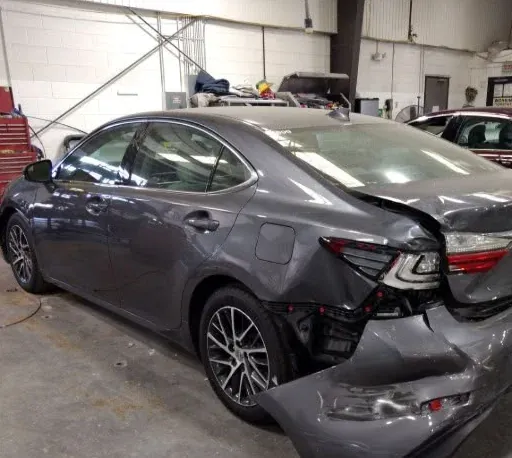
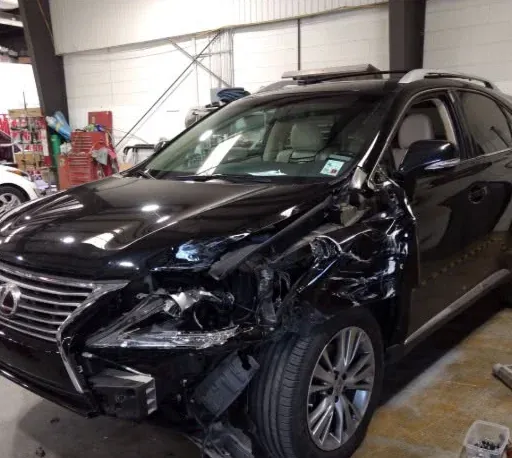
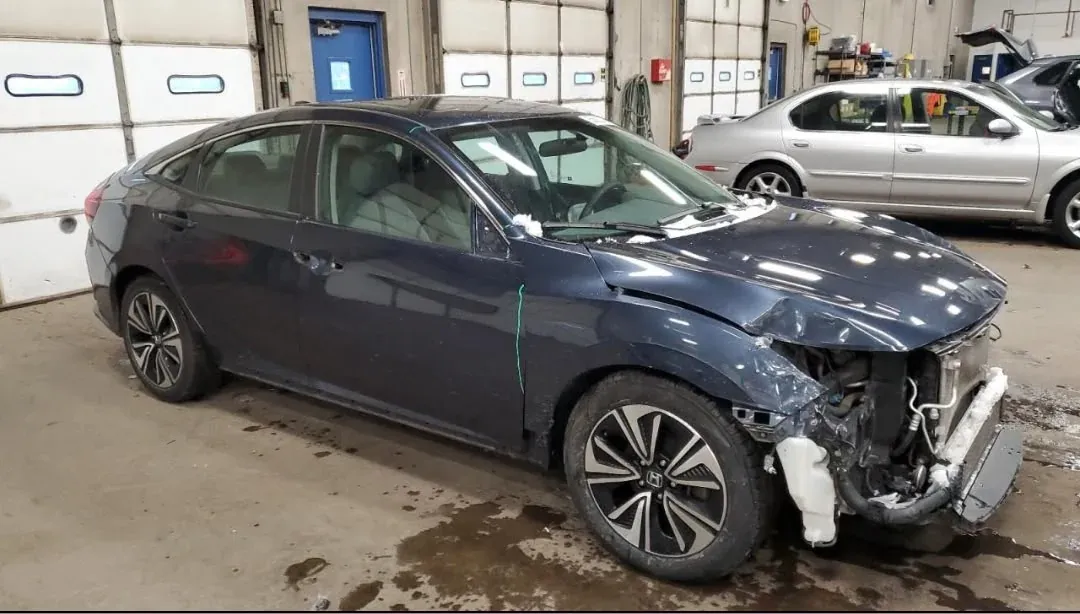
The MDX, RDX and TLX are built around Advanced Compatibility Engineering, the same front structure philosophy Honda uses: crash energy routed through a network of members that spreads the load rather than concentrating it into two rails. The design works because the parts carrying those loads are the ones the engineers specified, which is why the manufacturer’s position statements call for structural components to be replaced at factory joints instead of sectioned wherever it is convenient.
Acura also uses hot-stamped ultra-high-strength steel through the door ring, A-pillars and roof rails. That material gets its strength from the forming process and never gets it back after heat or a hard pull. So the estimate on a damaged Acura is written from laser measurements and the published procedure, not from what a straightening pull could theoretically achieve on the rack. A pull that restores a dimension without restoring the strength behind it hands back a car that measures correctly and performs worse.
AcuraWatch after bumper, grille or windshield work
AcuraWatch reads from a camera behind the windshield near the mirror and a radar unit at the front of the vehicle, with additional sensors at the rear corners on models with blind spot information. Collision mitigation braking, road departure mitigation and adaptive cruise all depend on those sitting where they were aimed. Replace the fascia or the grille and the assumption that they still are is not one worth making with a family in the car.
So the sequence is fixed: scan before teardown, document what was already stored, complete the repair with genuine parts wherever a sensor reads through a panel, scan again after reassembly, and carry out whatever calibration the manufacturer publishes for the work performed. The car is road tested afterward to confirm the systems arm and stay armed rather than dropping out on the first drive. Owners rarely report an assistance feature that quietly stopped working, which is precisely why we check instead of waiting to be told.
- Pre-repair and post-repair scan reports supplied with every Acura invoice
- Front radar and windshield camera addressed after fascia or glass work
- Genuine parts specified for grilles and covers in a sensor’s path
- Structural members replaced at published joints instead of heated or pulled
Berlina Black and why Acura color work is exacting
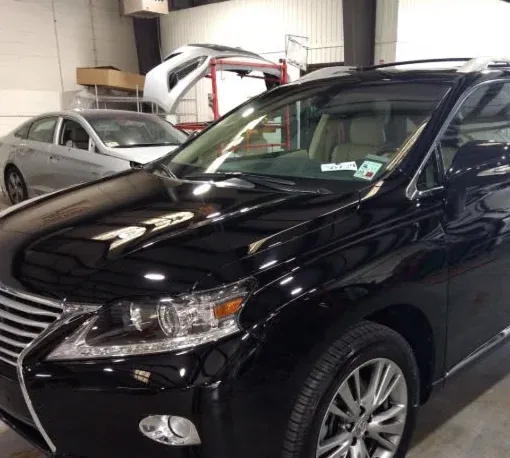
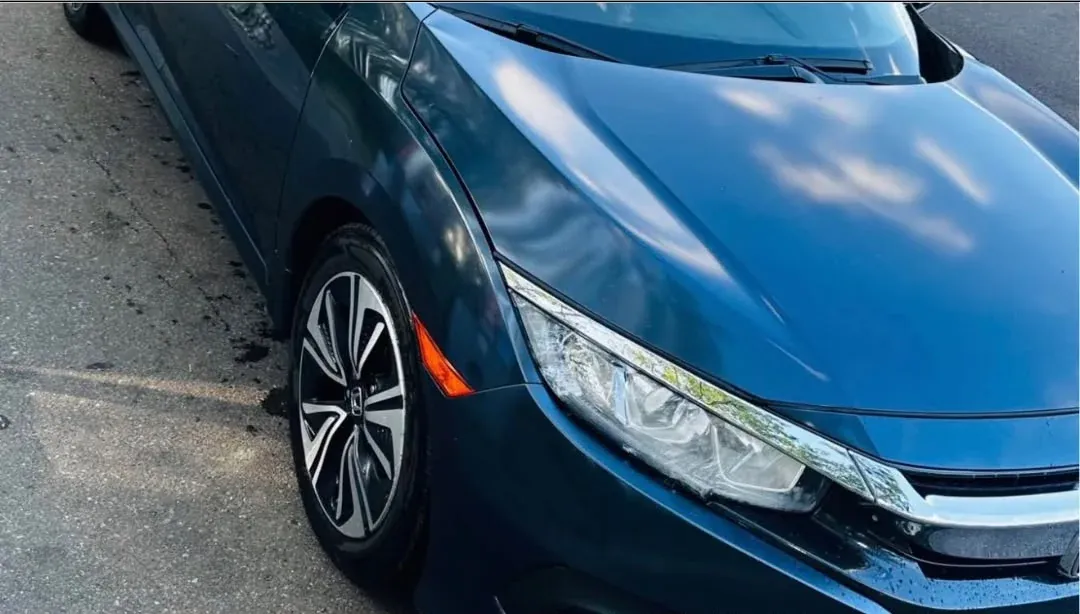
Berlina Black has a reputation among Acura owners for a reason. It is a deep solid black with essentially nothing in it to disguise a flaw, so every ripple left in a repaired panel, every sanding mark under the clear and every difference in film build shows up the first time the car is parked in the sun. Getting it right is almost entirely a bodywork problem rather than a mixing problem.
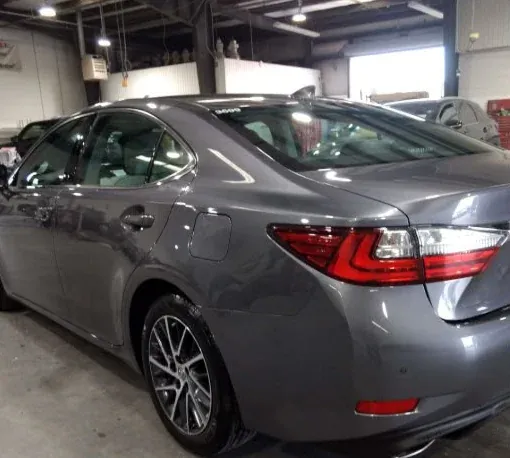
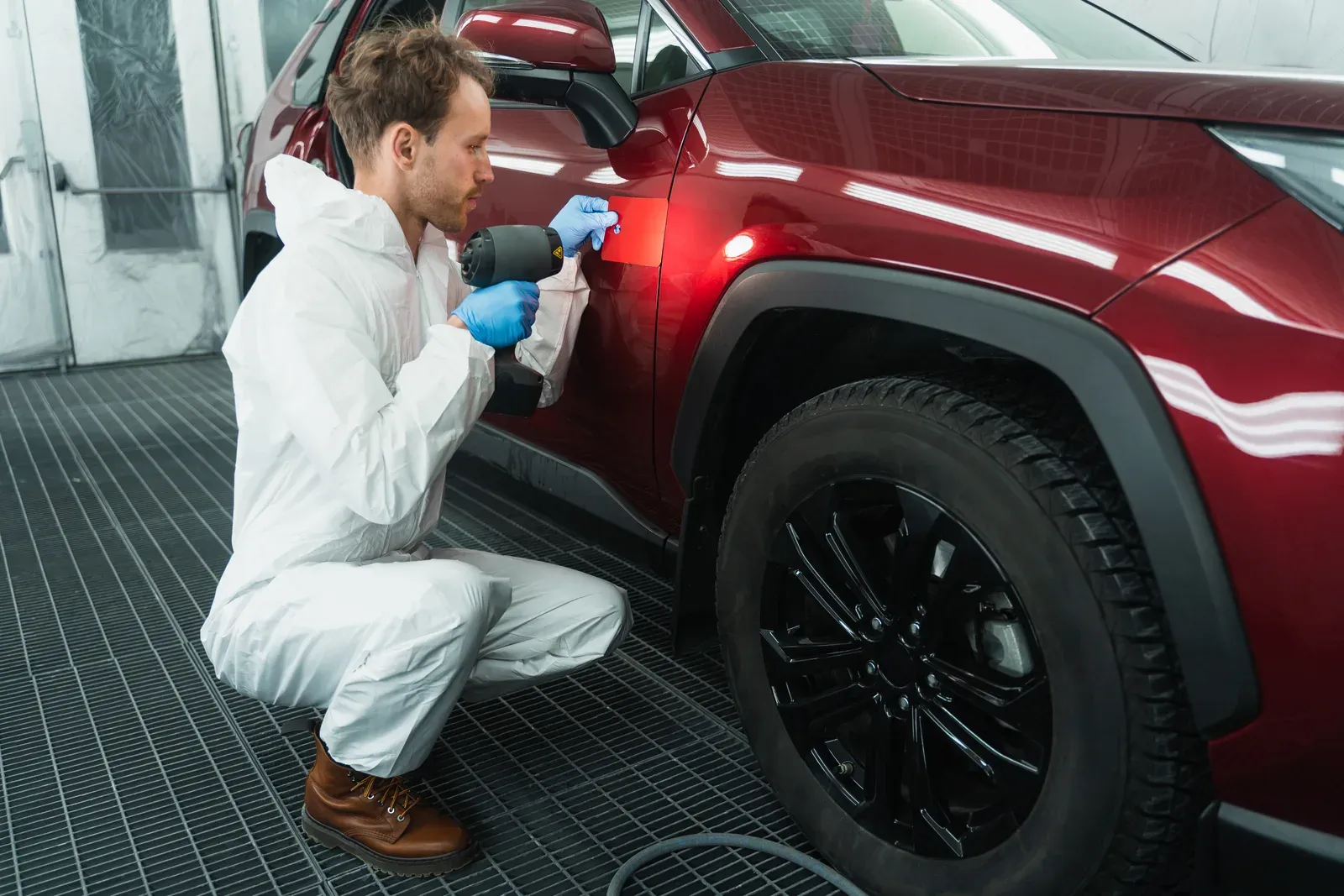
The rest of the Acura range is not much kinder. The low-chroma grays show coarse metallic instantly, and the deep pearl reds layer translucent color over a base where pass count sets the depth. Everything gets a spray-out card, a check under booth light and in daylight, and a blend into the neighboring panels. The refinish carries our lifetime paint warranty in writing. Black is not more expensive to paint. It is more expensive to prepare, and that is where the hours go.